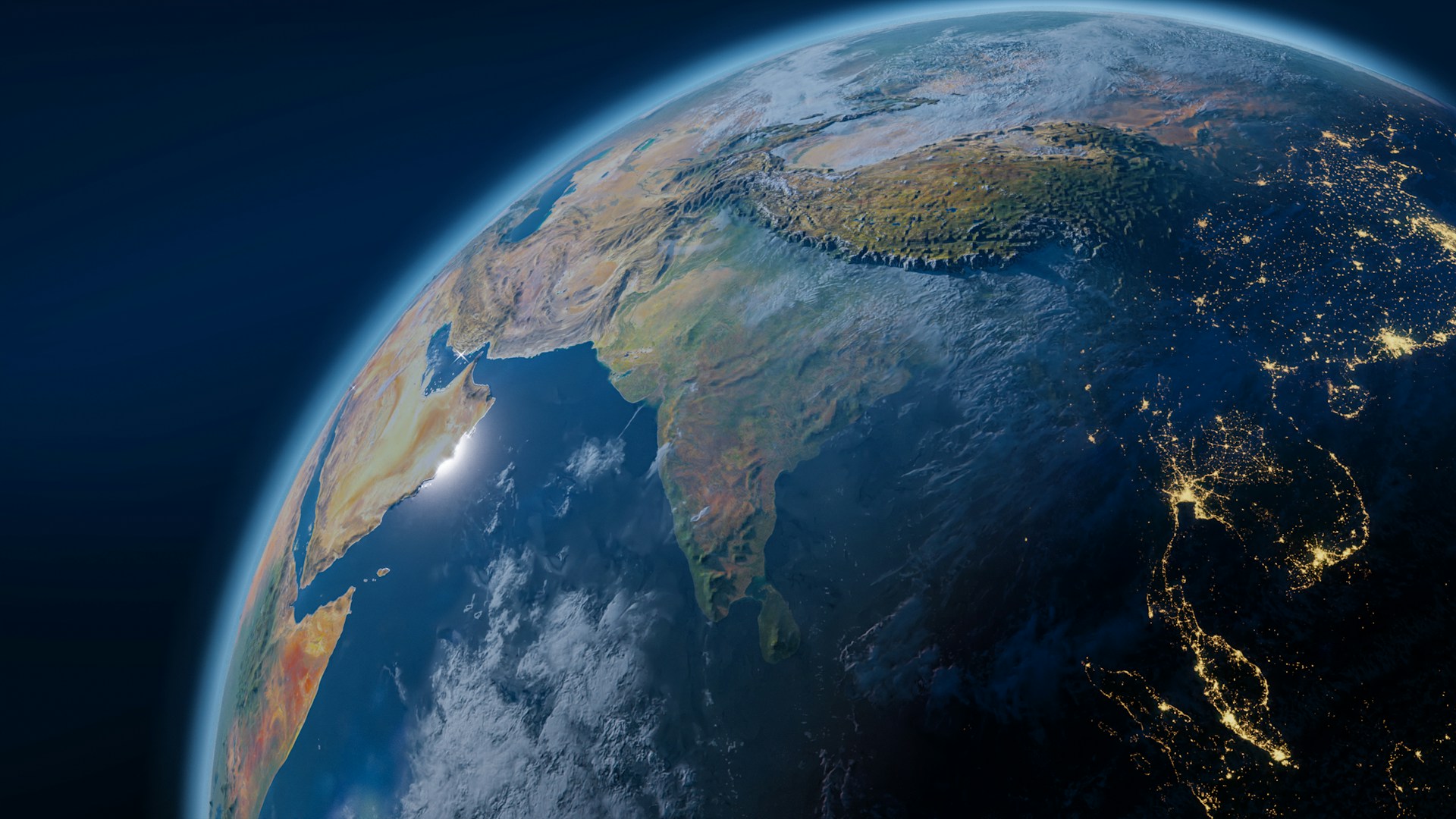


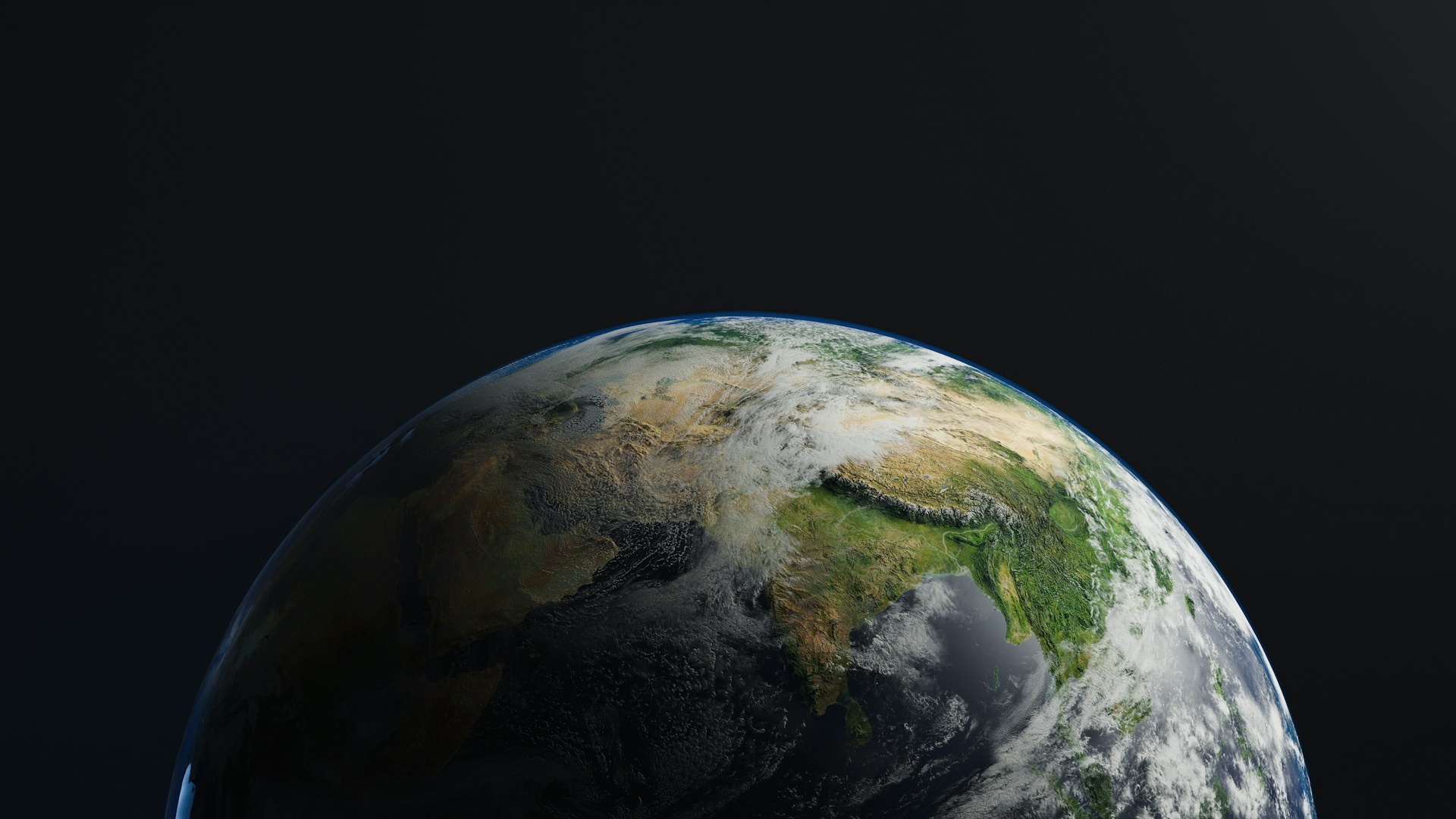
The Planetary Health Check 2026 Report reveals that seven of Earth’s nine planetary boundaries have been officially breached. According to scientific consensus, a planetary boundary is a threshold within which human civilization can safely live. Prepared by over 60 international scientists and published by the Potsdam Institute for Climate Impact Research (PIK), the report describes the active deterioration . It emphasizes that breaches of Earth’s boundaries have significantly increased the risk of large-scale environmental disasters.
Seven breached boundaries
The report categorizes breached boundaries into high-risk and increasing risk domains. The high-risk zone is dominated by climate change. Rapidly increasing fossil fuel emissions and deforestation have resulted in global temperatures and ocean heat content reaching record highs in 2025 and 2026. In addition, biosphere integrity is compromised. This has been caused by the loss of species on a massive scale, extinction pressures and damage to major ecosystems. For instance, temperatures in the Amazon rainforest have rapidly increased. Consequently, destabilised biological systems threaten the biosphere.
Another breached boundary is the modification of biogeochemical flows. Human activity has altered the planet’s natural cycles. For example, agricultural and industrial activity has caused increased runoff of synthetic phosphorus and nitrogen fertilizers. These chemicals have contaminated soil and water. There has also been an increase in human-made pollutants. This primarily includes synthetic chemicals, plastics, and heavy metals. These substances have contaminated all parts of the ecoystem from the deep sea to the upper atmosphere.

The increasing risk zone includes ocean acidification. Scientists claim that ocean acidity levels have crossed safe thresholds with surface ocean pH dropping by approximately 0.1 units since pre-industrial times. While this number seems small, it means a roughly 30% to 40% increase in ocean acidity. This is having an adverse impact on marine life and also decimating global coral reefs.
Deforestration across the globe, paired with intensive agriculture to meet food demand, has resulted in destructive seafloor practices. This includes bottom trawling to fulfil the demands of commercial fishing markets. Therefore, water bodies have experienced severe disruptions. The effects of these pressures are visible in widespread droughts, flash flooding, and heavy monsoon periods.
Humans are rapidly running out of time
The only two boundaries in the safe category include health of ozone layer and decreasing air pollution. The recovery of the ozone layer was enabled by measures introduced under the Montreal Protocol to phase out CFCs.
Scientists warn that humans are rapidly running out of time as Earth’s health becomes worse with each passing year. Historically, Earth absorbed roughly half of human carbon emissions. However, this natural capacity has been severely strained by increasing human industrial activity.
The report sheds light on deteriorating health of seafloor. The destruction of marine life not only threatens sea life but also disturbs ancient carbon stores locked in seafloor sediments. Centuries’ worth of carbon is trapped in the water columns, further damage to seafloor risks release of this trapped carbon.
Despite the threat of looming danger, the report notes that change is still possible. The recovery of ozone layer is proof that coordinated international policy and changes in industrial practices can repair environmental damage. Therefore, nations must work together to combat environmental threats.