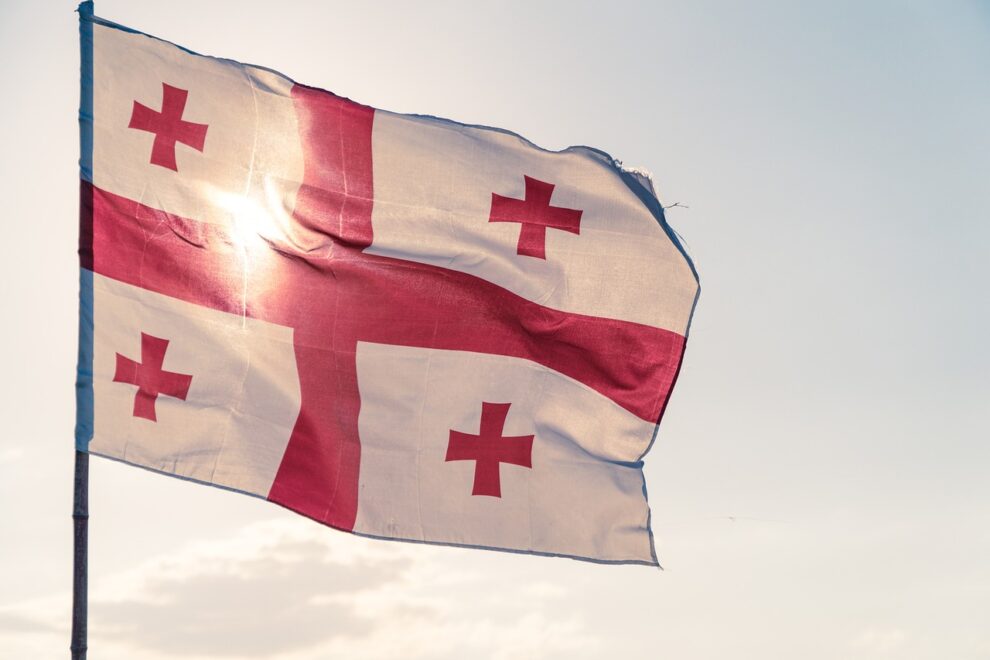
Georgia has launched a probe into a BBC investigation alleging that authorities used a WWI-era chemical agent to disperse anti-government protesters last year, officials said Monday.
Demonstrations have gripped the Black Sea nation for the past year, and the state’s response to protests has drawn domestic and international criticism.
On Monday, the BBC reported that it had gathered evidence suggesting that “Georgia’s authorities used a World War One-era chemical weapon to quell anti-government protesters last year”.
Georgia’s state security service said it had launched a probe to determine “what information the BBC relied on”, including interviews and testimonies cited in the report, and to assess “how relevant and credible this information may be”.
“(The) published material contains indications of a crime which, if confirmed, would be directed against the life and health of citizens and would fundamentally violate their and society’s lawful interests,” the agency said.
“On the other hand, it contains indications of a crime of the opposite nature — one that seriously harms Georgia’s national interests, its international image and reputation.”
Georgia has been embroiled in political crisis since a parliamentary vote last year, which the opposition denounced as rigged in favour of the ruling Georgian Dream party and rejected the results.
The government’s announcement a year ago that it would not seek the opening of EU membership talks with Brussels until 2028 led to mass protests, which are ongoing.
In the initial stage of protests, police used water cannons and tear gas to disperse protesters.
The country’s rights ombudsman and Amnesty International have said police mistreatment of detained protesters amounted to “torture”.
The governing Georgian Dream party has rejected mounting accusations at home and abroad of democratic backsliding and a pro-Russian tilt.

Add Comment