


- NATO says it is ready to counter Russian cyberattacks and other hybrid threats, with response options in place.
- Mark Rutte urged countries to provide more support for Ukraine to signal resolve after each hybrid incident or attack.
- Danish intelligence assesses Russia likely to increase hybrid attacks in the West, while invasion of NATO remains unlikely but possible.
- Hybrid attacks aim to create fear and weaken public support, and now target defense firms and rail transports carrying equipment.
- There is a low but growing risk of limited military attacks on NATO border states and destructive cyberattacks crippling critical services.
NATO is “ready” for Russian cyberattacks and other forms of hybrid warfare, the alliance’s secretary general has said, urging increased support for Ukraine in response to Moscow’s actions.
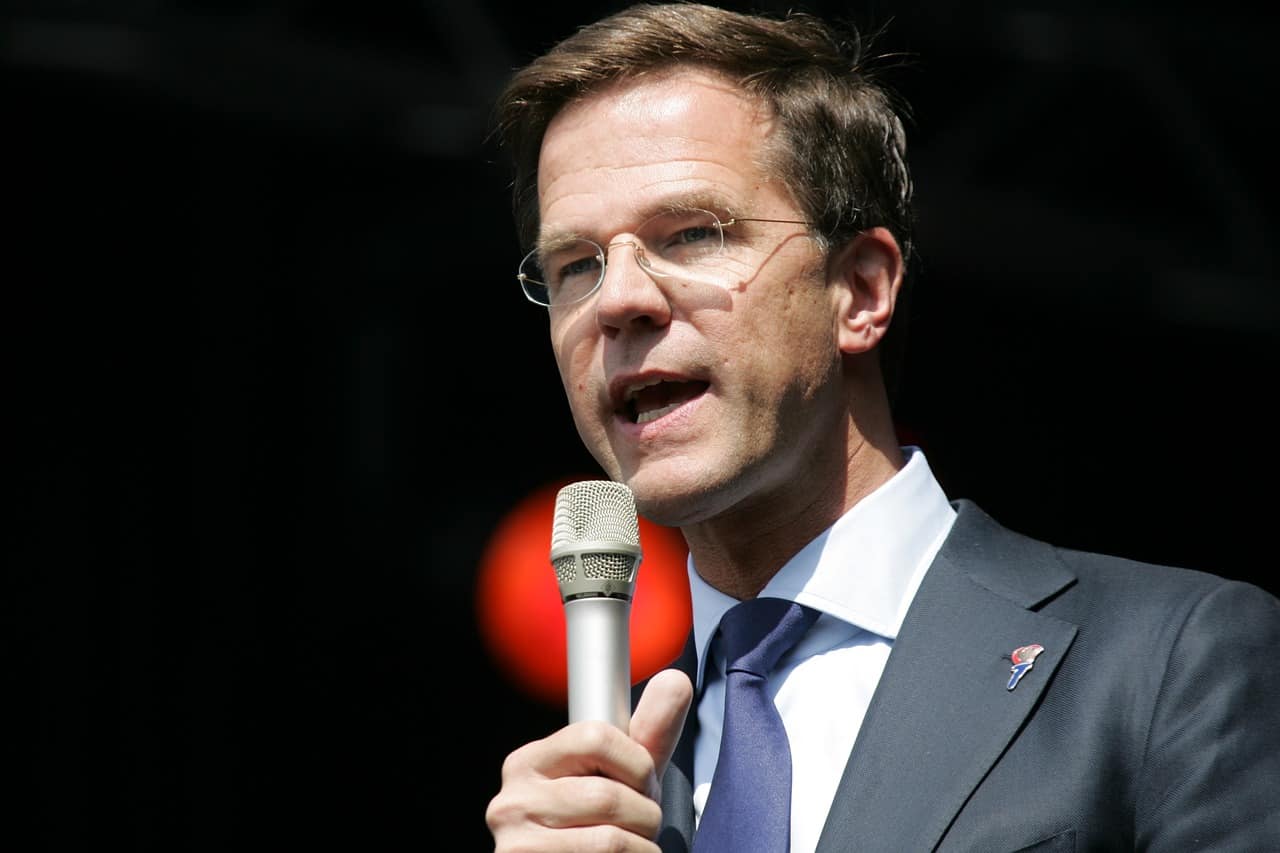
“Russia is doing more and more when it comes to the cyber etc. domain, but… NATO is ready for this,” Mark Rutte said.
“We have all these response options in place… when it comes to hybrids to make sure that we stay strong,” the NATO chief said, urging countries to provide “more support for Ukraine” if they “really want to give a signal to the Russians on every hybrid incident, hybrid attack.”
European countries have been on high alert for any Russian interference, fearing that Moscow could target Kyiv’s Western backers as the Kremlin’s invasion of Ukraine drags on into its fifth year.
Mr Rutte’s remarks came after the Danish Defense Intelligence Service (DDIS) said that Russia would likely carry out more hybrid attacks against targets in the West, while assessing that an outright invasion by Moscow was “highly unlikely” but still possible.
Last week, Poland’s Prime Minister Donald Tusk also warned of “hybrid” threats from Russia – including drone and missile strikes – against Ukraine’s allies.
Poland – a NATO and EU member state along the alliance’s eastern flank – has accused Russia of “sabotage” on several occasions since Moscow’s full-scale invasion of Ukraine in 2022.
“There is a low but growing risk that Russia will launch a limited military attack against one or several NATO countries bordering Russia,” Thomas Ahrenkiel, the head of the DDIS, told a press conference at which he presented an updated assessment of the threat from Russia.
He said that the agency still considered it “highly unlikely that Russia would see any interest in invading a NATO country, but we cannot rule it out”.
In the assessment, the agency said that Russia would likely carry out more so-called “hybrid attacks” against targets in the West.
It noted that in the past such attacks had “mainly been aimed at creating fear and weakening public support for aid to Ukraine”.
But they had now started to include actions meant to stop support from reaching Ukraine, such as sabotage against defence companies or railway transports carrying military equipment, the agency said.
The DDIS said it thought Russia would intensify such attacks, which could also include “destructive cyber attacks that cripple critical societal functions”.