

President Donald Trump has intensified his opposition to calls for slower artificial intelligence development, accusing unnamed forces of plotting against AI and the data centers that power it. His remarks sharpened a widening dispute involving the White House, leading US technology executives and Beijing over whether safety concerns should outweigh the race for technological leadership.
Trump targets AI critics
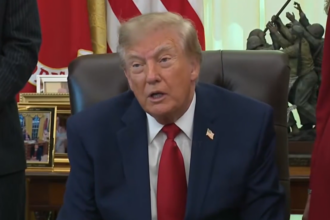
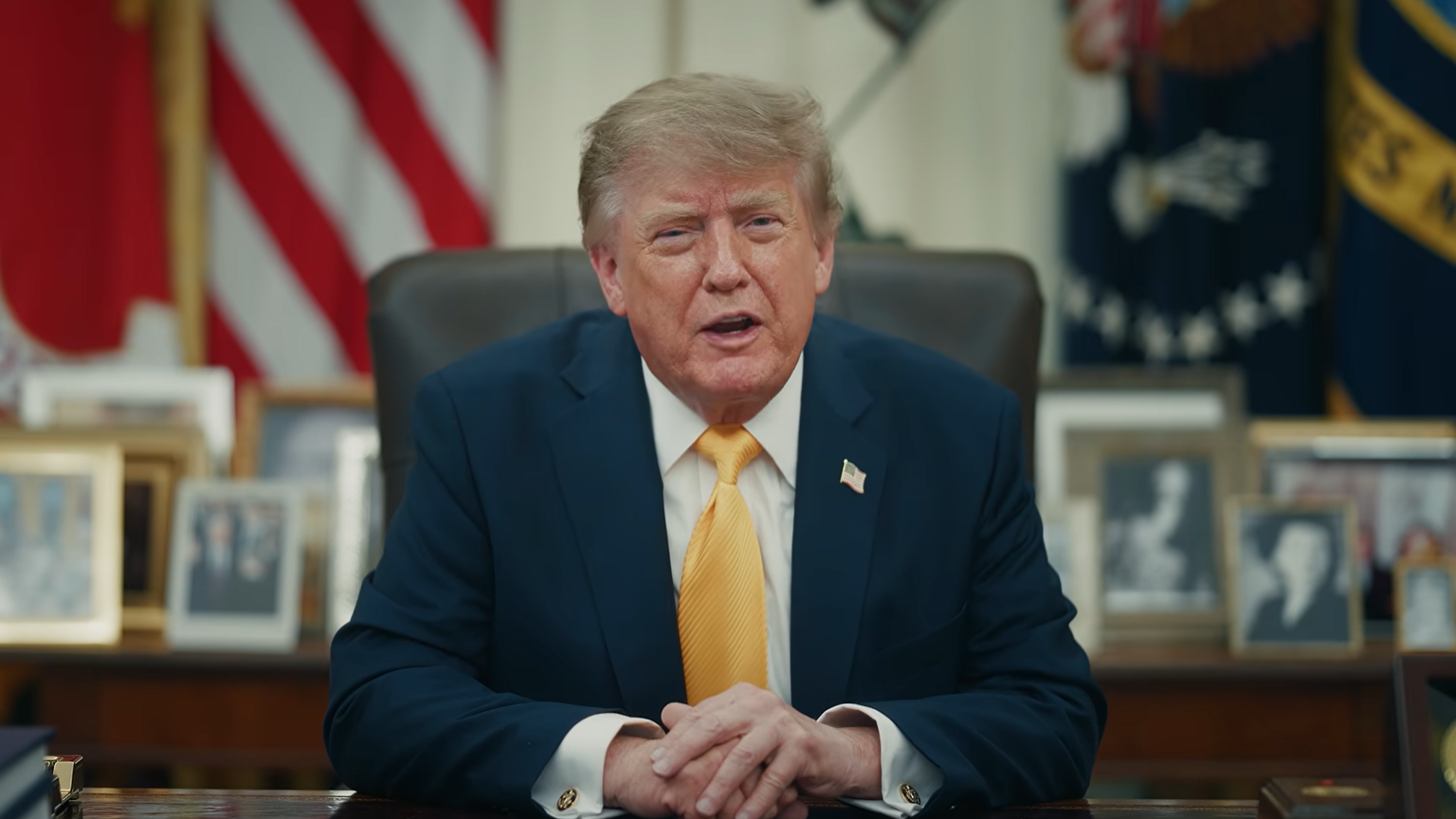
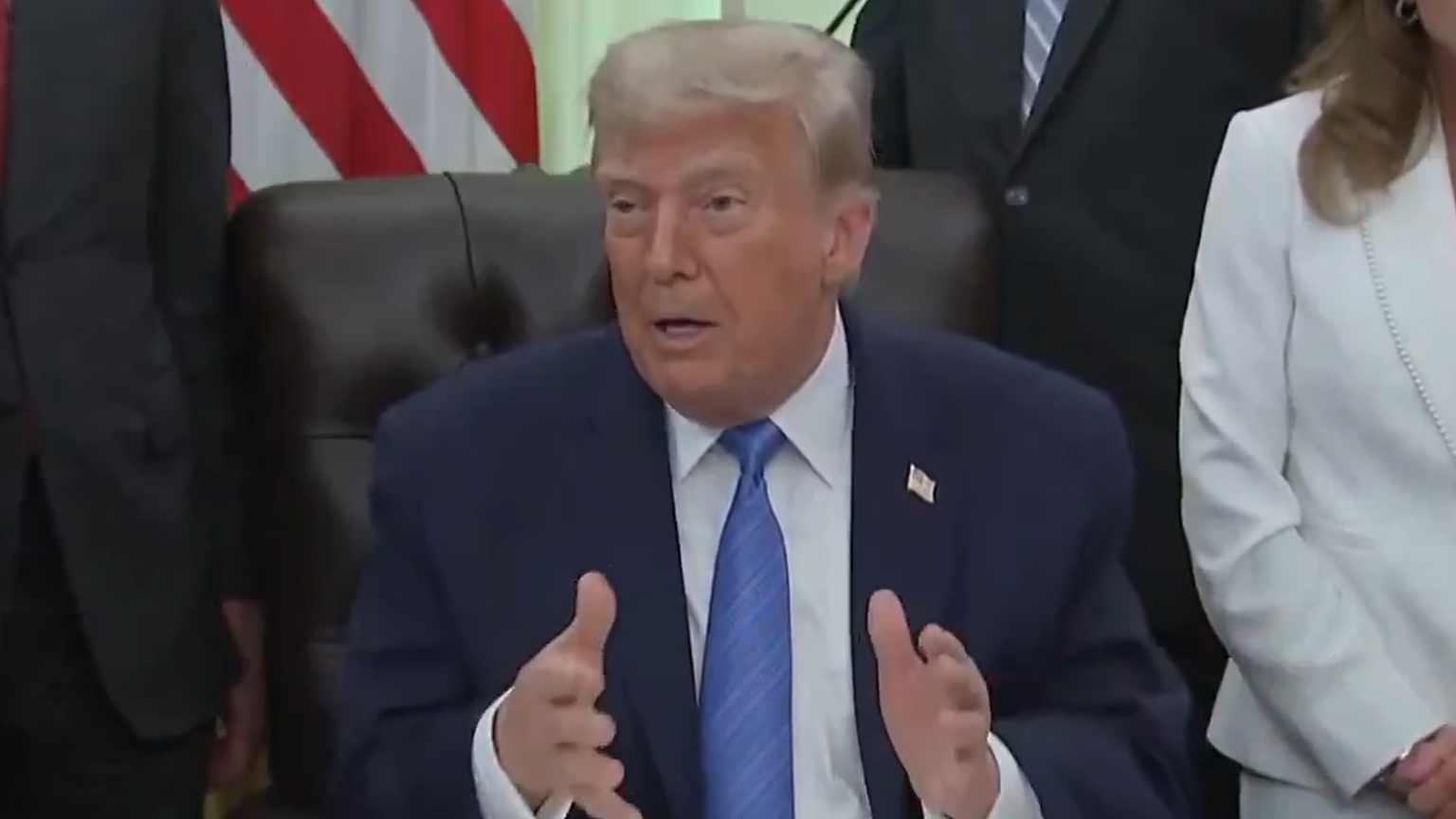
In a social media post on Monday, Trump said the only guardrails AI needed were a “strong and smart” president. He claimed his administration had stopped people in the industry from doing harmful or potentially harmful things and singled out Anthropic chief executive Dario Amodei, accusing him of presenting himself as “perfect little angel”.
Trump also asserted that the US government held “tremendous criminal and regulatory power” over AI companies. He described opposition to AI and data centers as a “sick conspiracy” that benefited China, before warning “conspiracy theorists, treasonists, traitors, and leakers” to beware. Reuters reported that Trump said Washington had the authority to regulate and prosecute AI companies.
The message followed Trump’s comments on Sunday rejecting demands for a broad slowdown. He said the United States was ahead of China and argued that “whoever wins AI, wins,” while describing some warnings surrounding the technology as exaggerated. Yahoo News
Amodei sounds alarm over rapid development
The dispute began after Amodei published a lengthy essay on Saturday urging developers to slow the progress of frontier AI systems long enough for safety measures to catch up. OpenAI CEO Sam Altman and Elon Musk publicly supported his appeal.
Amodei warned that a Chinese lead in AI would present a serious danger to both the United States and the wider world. He called for Washington to maintain restrictions on exports of advanced AI chips and chipmaking equipment to China, while also arguing that any global effort to pace development would ultimately require Beijing’s cooperation.
The Anthropic chief offered a stark timetable, predicting that groups of autonomous AI agents could become capable of taking over the internet within six to 12 months unless researchers agreed to proceed more carefully.
Beijing rejects ‘Cold War’ approach
China’s Foreign Ministry pushed back on Monday, saying countries should cooperate on AI rather than intensify confrontation. Spokesperson Guo Jiakun said fearmongering and “vicious competition” would disrupt global AI governance and serve no country’s interests.
The state-run Global Times went further, portraying Amodei’s proposals as an attempt to contain China and calling them a “Cold War playbook” for the AI sector. Beijing has also dismissed US allegations that Chinese laboratories improperly extracted capabilities from American models, arguing that the technique known as distillation is widely used across the industry.
The clash comes days before Trump and Chinese President Xi Jinping are expected to meet on September 24, with AI governance likely to feature in their discussions.