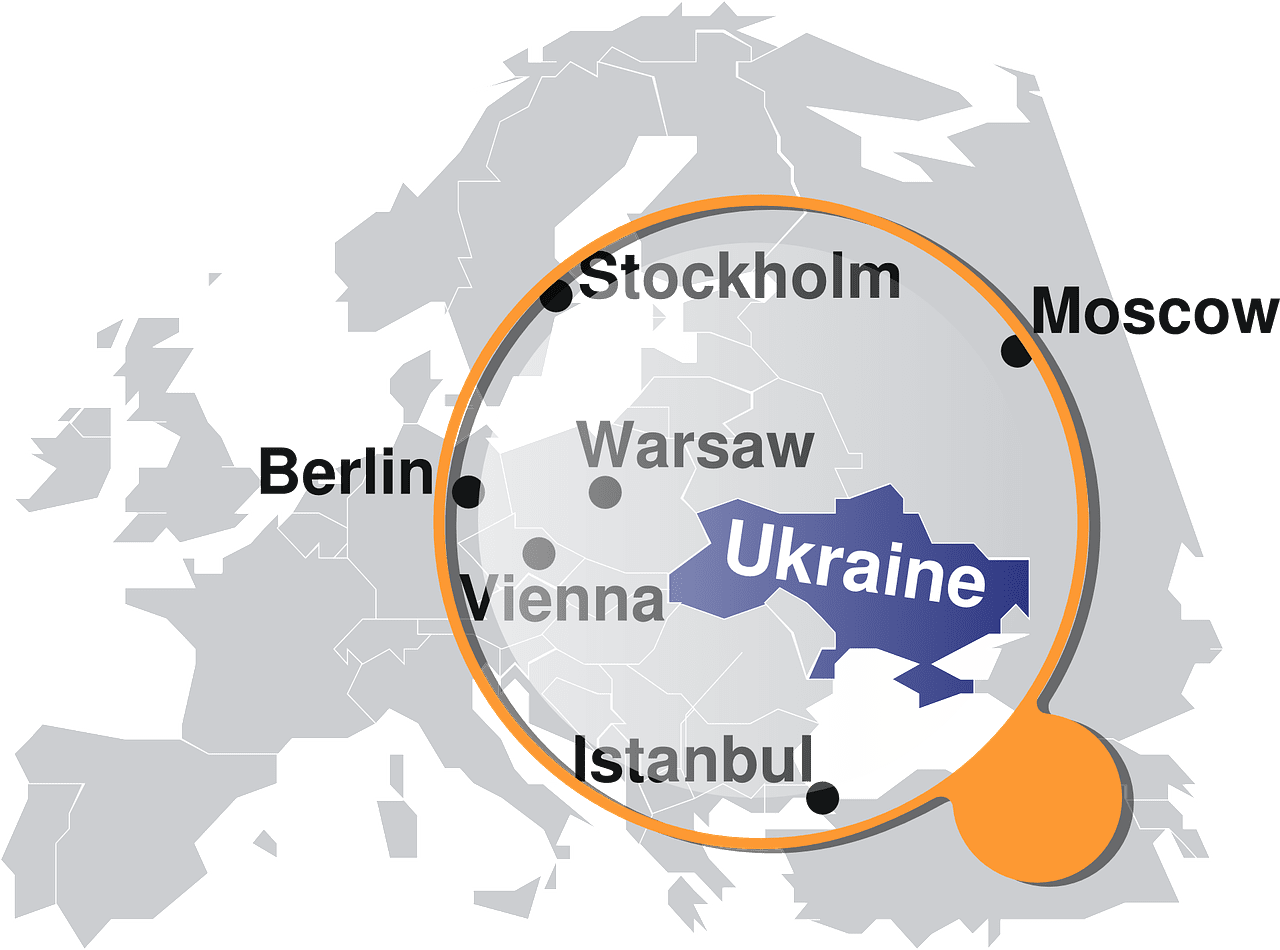




- Polish police arrested a 21-year-old Ukrainian student accused of plotting a racially motivated knife murder linked to the online "bloody Friday" challenge.
- University alerted authorities after the student praised crimes in class and declared intent to kill random people as part of the challenge.
- Investigators found three knives, violent online searches and graphic Telegram content; he allegedly recruited another student before police intervened.
- He was detained while driving for a rideshare app and faces up to 15 years for preparing a racially motivated murder.
Polish authorities arrested a 21-year-old Ukrainian student suspected of preparing a “racial hatred” murder and a knife attack for an online challenge known as “bloody Friday,” prosecutors said Monday.
The arrest follows a series of violent incidents in Poland, which last week experienced three stabbing attacks in four days and on Sunday reported an alleged assassination plot against Prime Minister Donald Tusk and Defence Minister Wladyslaw Kosiniak-Kamysz.
Yaroslav F. — whose last name has been withheld under Poland’s privacy law — “is suspected of preparing to murder a randomly encountered person using a knife, motivated by racial hatred and a desire to take part in the online challenge ‘bloody Friday,'” prosecutors in Lublin said in a statement.
He now faces up to 15 years in prison for “preparing to commit murder … on grounds arising from hatred based on racial differences”.
Prosecutors added the investigation started following a warning from the John Paul II Catholic University in the eastern city, where the suspect was a student.
The university noted “alarming signals” coming from Yaroslav F., including praising “the committing of crimes, including racially motivated ones” in class. He also expressed “a direct intention to deprive random persons of life” as a part of the “bloody Friday” challenge.
The man allegedly encouraged a female student to join the plot.
Prosecutors said that by the time of his arrest, the suspect had acquired three knives, including one carried on his person, and two specialist throwing knives he had at home.
Analysis of his phones and laptop show that he searched online for “content related to torture and inflicting pain” and that he watched “drastic content” on Telegram.
He offered to “reach an understanding” with another person to commit the crime together, prosecutors said, adding that the attack was only foiled by the immediate reaction of university authorities and police intervention.
They added he was detained while working as a taxi driver for a rideshare app.
While knife attacks were once considered rare in Poland, a recent number of high-profile incidents have put the country on alert.
Tusk denounced the recent school stabbings as a “cult of violence” last week.
Teenagers have fallen “under the influence of the internet, video games, and content that promotes pure violence,” he said. “Unfortunately, it has also reached Poland.”