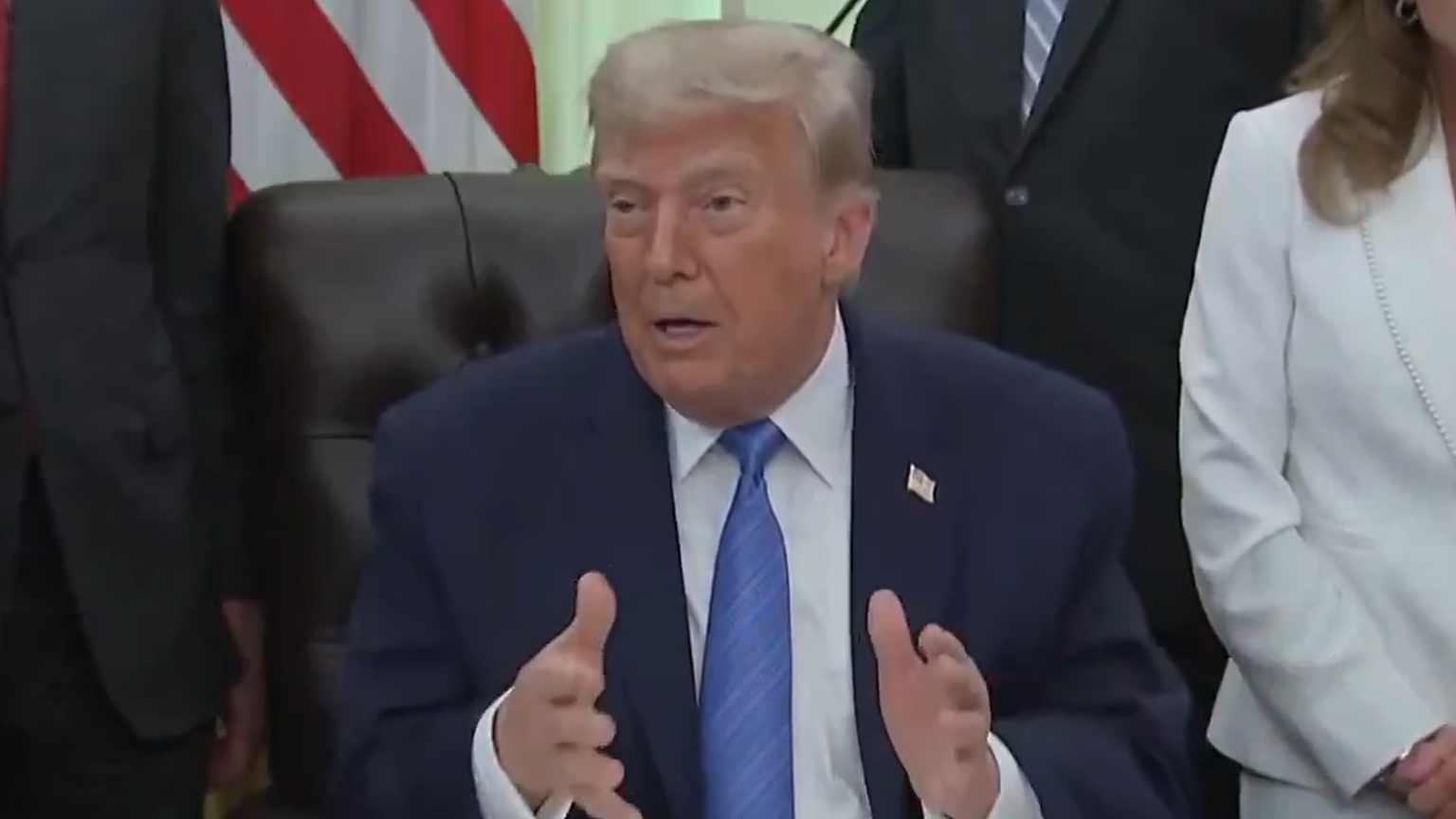



President Donald Trump wants the US government to call artificial intelligence “super intelligence,” arguing that the word artificial makes the technology sound less real than it is. He announced the proposed change during his address to the United Nations General Assembly on September 22 and said he wanted US government documents to adopt the new term.
“It makes it sound fake, and it is not fake,” Trump said of the current name. He described the technology as “amazing” and said “super intelligence,” or “SI,” sounded more accurate. His speech did not explain when federal agencies would begin changing their documents or how the change would be carried out.
How Trump arrived at the name
Three days before the UN speech, Trump asked followers on Truth Social to vote on alternatives to artificial intelligence. The choices were “Superior Intelligence,” “Extreme Intelligence” and “Supreme Intelligence.” He called the existing name inaccurate and inelegant. The phrase he chose at the UN, “super intelligence,” was different from the three options in that poll.
The name change also fits the way Trump talks about the industry. In the same speech, he said the United States should lead China in developing the technology and argued against slowing its growth. He acknowledged that new technologies bring challenges, but said his administration would encourage development while watching for problems.
In a separate Truth Social post on September 19, Trump said he planned to form an “AI Force” and appoint an AI adviser. Those announcements made clear that he sees the technology as a priority, though he did not set out the force’s duties in that post.
A name with an existing meaning
There is a complication with Trump’s choice of words. In AI research, superintelligence already describes a hypothetical system whose abilities exceed human intelligence. It is a more specific idea than artificial intelligence, which covers technologies with a wide range of capabilities. Renaming today’s AI systems would not, by itself, give them those advanced abilities.
Trump’s stated reason, however, was about how the public hears the name. He believes “artificial” suggests something fake and that “super” better conveys the technology’s potential. For now, the practical reach of his announcement remains unclear: the White House has repeated his proposed name, but his UN speech offered no timetable for making the switch across government documents.