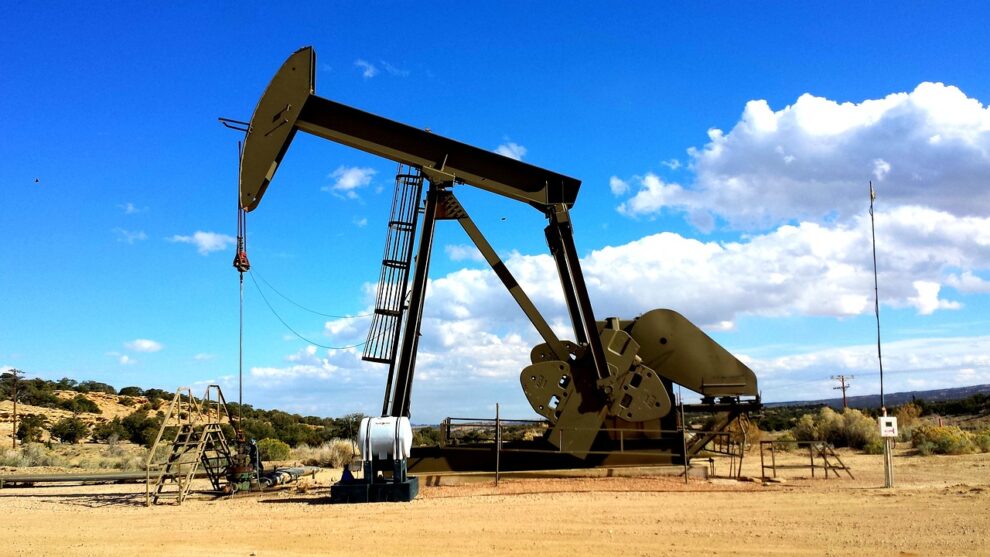
Mineral rights values change from one piece of land to another, and two main factors often shape those prices: location and production. A parcel in a proven oil or gas basin may command thousands of dollars more per acre than property in an undeveloped region. The closer the land sits to active wells and strong production, the higher the price per acre tends to be.
Location drives interest from operators because geology, access to infrastructure, and state royalty rules all influence profit potential. A producing well often increases the immediate value, while a non-producing tract relies more on future prospects and lease terms. Therefore, even within one state, prices can vary widely between neighboring counties.
Understanding how these elements work together helps landowners make informed choices about selling, leasing, or holding mineral rights. By examining location data and well output, they can better estimate a fair market range and recognize opportunities others might miss.
Core Factors: How Location and Production Influence Mineral Rights Prices
Mineral rights prices depend on where the property lies, how much production occurs, and the value of the minerals in the market. These factors work together to determine the potential cash flow and long-term return for the landowner.
Role of Location in Mineral Rights Valuation
Location strongly determines mineral rights value because geology, accessibility, and local drilling activity vary widely. Areas with proven reserves or active drilling tend to command higher offers per acre. A tract in a well-developed oil or gas basin may bring several thousand dollars more per acre than one located far from proven production zones.
Surface access, infrastructure, and nearby pipelines also influence value. Good road access and proximity to processing facilities reduce costs for operators, which raises demand for those tracts. Local regulations and taxes further affect the return on investment, making some regions more attractive than others.
Understanding these factors helps explain why the average price per acre for mineral rights can vary from a few hundred dollars to tens of thousands within the same state. Each project must be evaluated based on its region’s unique production history and geological data.
Impact of Production Status: Producing vs. Non-Producing Mineral Rights
Production status directly affects market value. Producing mineral rights generates immediate income from oil or gas sales, giving buyers confidence in future cash flow. Non-producing rights, however, hold only potential value and often sell for far less.
Active wells create measurable returns each month, which buyers can analyze to predict payout timeframes. In contrast, non-producing acreage involves more risk and uncertainty, since no proven flow rate exists. Operators must still explore, drill, and confirm resources before revenue begins.
Buyers also weigh how long current production might last. Declining wells or mature fields often reduce total property value over time, while new or expanding wells can boost the price per acre through consistent output. Investors prefer proven income streams to speculative potential.
Commodity Prices and Market Value Per Acre
Oil and gas prices drive how much buyers pay for mineral rights. Rising commodity markets increase profit expectations, while falling prices can sharply reduce offers. Prices change daily based on global supply, demand, and economic trends, creating volatility in mineral property values.
Even a small shift in price per barrel can reshape long-term revenue forecasts. For example, higher oil prices encourage drilling and expansion, which raises the competition for leases and pushes up acreage value. Conversely, lower prices often slow exploration, leading to fewer bids.
Historical market cycles show that demand and production capacity rarely stay balanced for long. Owners who understand commodity trends can better time a sale or lease to gain stronger offers per acre.
Geological Potential and Resource Extraction
Geological characteristics beneath the land define the possible yield and future value of mineral rights. Depth, rock type, and trap conditions determine how much oil or gas might be recoverable. A site near proven reserves often attracts more attention because it reduces exploration risk.
Operators analyze seismic data and drilling records to estimate how much mineral content lies under the surface. Acreage over fertile formations with untapped layers can command premium prices, especially if modern technology allows deeper or more efficient extraction.
Regions with unclear or complex geology may deter investors due to higher exploration costs. Therefore, geological research and mapping serve as key tools for estimating a tract’s realistic production capacity and its potential market value.
Additional Variables Affecting Mineral Rights Value
Several details beyond location and production influence the market price of mineral rights. These include the structure of royalty payments, clarity of lease terms, number of acres owned, efficiency of the operator, advances in extraction methods, and the accuracy of valuations provided by professionals or buyers. Each element affects how much a landowner can expect to earn and what potential buyers are willing to pay.
Royalty Interest, Lease Terms, and Bonus Payments
Royalty interest defines the share of revenue the owner receives from the production of oil or gas. Higher royalty percentages usually lead to stronger returns through consistent royalty checks. Buyers often review past royalty payments to estimate future income potential.
Lease terms also shape the deal’s value. Shorter terms can give owners flexibility to renegotiate if market prices rise. Longer terms may appeal to buyers who prefer predictable production rights. The structure of deductions for transport and processing costs can further influence total earnings.
A lease bonus is a one-time payment made when a lease is executed. Its amount depends on local activity levels and competition for drilling rights. Higher bonuses often signal strong interest from operators. However, a generous upfront bonus may come with trade-offs like lower royalty rates. Clear documentation of all terms and payments helps both sides judge long-term value.
Net Mineral Acres and Operator Impact
The number of net mineral acres (NMA) directly affects total income potential. A seller with more acres controls a larger share of future production, which typically raises sale prices. Buyers calculate value by multiplying expected revenue per acre by the acreage owned.
Operator skill and reputation matter as much as acreage. Experienced operators manage wells efficiently and maintain consistent output, which sustains royalty income. Poor management can lead to lower production or even early well closure. Therefore, buyers often examine an operator’s performance history before making an offer.
Some operators also plan for future drilling on nearby tracts. That potential can raise the perceived worth of existing minerals. Inactive operators, on the other hand, may slow down development, decreasing short-term revenue for owners.
Technological Advancements in Extraction
Modern drilling and extraction methods have expanded production in many regions. Horizontal drilling and improved fracturing techniques can reach deeper reserves and recover more oil or gas than traditional wells. As a result, mineral rights once considered low value may now produce substantial income.
Technology also affects operating costs. Efficient recovery reduces wasted resources and improves profit margins for both operators and landowners. Areas with easy access to new production technologies tend to sell for higher prices because the expected return is greater.
However, technology introduces uncertainty. Advancements can quickly make older wells less productive compared to newer setups nearby. Buyers weigh current output against the likelihood that technology will change the field’s profitability in the near future.
Professional Appraisals and Mineral Buyers
Accurate valuation often depends on the quality of professional appraisals. Appraisers use royalty statements, production data, and comparable sales to estimate fair prices. A well-prepared appraisal helps landowners set realistic expectations and identify serious buyers.
Mineral buyers consider many data points before submitting an offer. They study market demand, commodity prices, and local drilling trends. Competitive offers tend to come from buyers familiar with current pricing models and regional geology.
Professional insight reduces guesswork. It also helps prevent owners from selling mineral rights below market value. For larger tracts or producing wells, multiple appraisals can reveal pricing differences and negotiation opportunities that might otherwise remain hidden.
Conclusion
Location holds the most weight in determining mineral rights value per acre. Areas rich in oil, gas, or other natural deposits tend to bring higher prices. Land in proven production zones usually commands stronger offers because buyers see lower risk and faster returns.
Production levels also shape price patterns. Active wells increase potential income, while undeveloped land may need exploration before any profit appears. Therefore, buyers assess both current extraction and future drilling prospects before setting bids.
Market demand, commodity prices, and regional activity tie these factors together. Locations closer to active drilling often see more competition, which can push per-acre values upward. In contrast, slow production regions typically show lower market interest.

Add Comment