Introduction
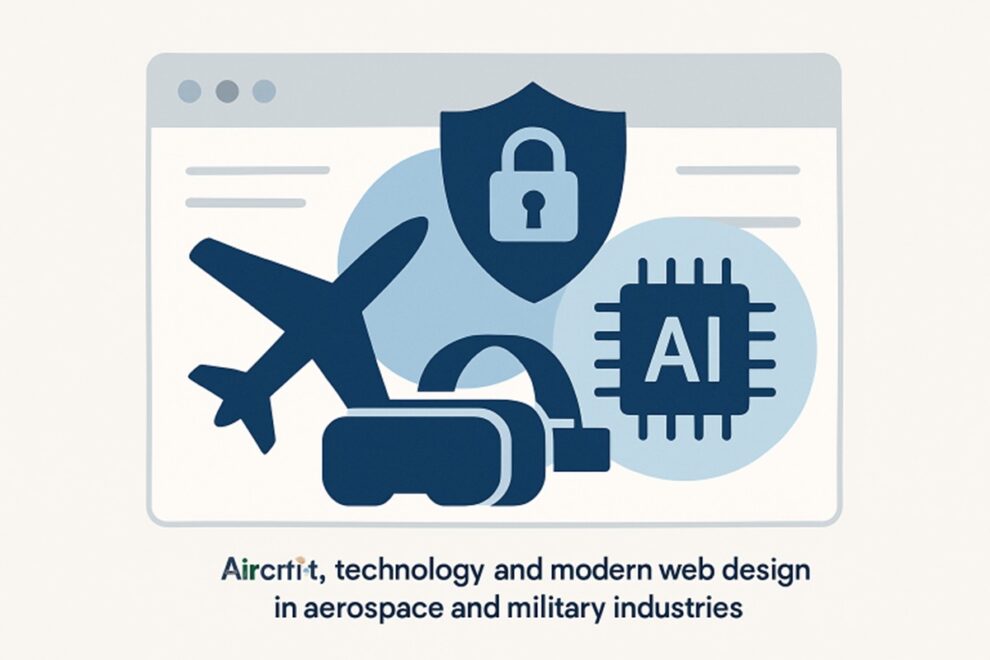
Today’s aerospace and military organizations must ensure their online presence is as advanced and secure as the technologies they represent. An industry-leading website is more than a digital calling card; it conveys authority, fosters trust, and showcases the innovation that defines these sectors. Working with an experienced aerospace web design agency is often the first step in leveraging specialized knowledge and unique technologies to build a digital presence that meets stringent industry requirements.
Modern stakeholders, from engineers to procurement teams, expect seamless digital experiences. With international markets and multifaceted partnerships at stake, the way information is presented and accessed online can directly impact reputation, operational efficiency, and even mission success. Keeping pace with evolving web design trends isn’t optional; it’s a competitive necessity.
Integrating Artificial Intelligence and Machine Learning
The integration of Artificial Intelligence (AI) and Machine Learning (ML) is transforming web design for the aerospace and defense sectors. Intelligent algorithms now enhance site navigation and provide predictive content suggestions, making websites more dynamic and user-friendly. For instance, AI-powered chatbots offer instant, round-the-clock support while learning from interactions to provide increasingly precise guidance—a crucial advantage in technically complex, high-stakes environments.
ML can examine user behavior to deliver a tailored browsing experience, allowing stakeholders to access relevant documents and updates quickly. Automated tools also streamline administrative duties, reducing workload for IT teams while maintaining security and accessibility standards. McKinsey & Company notes that organizations using AI-driven interfaces are experiencing marked improvements in both operational efficiency and user satisfaction.
These innovations enable aerospace and defense organizations to anticipate user needs and present essential information proactively. As AI and ML continue to advance, they are becoming indispensable in designing digital spaces that are secure, efficient, and highly user-centric.
Leveraging Immersive Technologies
Virtual Reality (VR) and Augmented Reality (AR) are rapidly transforming the way aerospace and military systems are presented online. Immersive web experiences enable users to walk through a digital twin of a cockpit or remotely examine the mechanics of a new aircraft engine. These hands-on solutions offer substantial benefits for training, remote collaboration, and customer engagement, breaking down barriers to understanding exceptionally complex systems.
AR simulations can take this a step further by integrating interactive overlays on live video feeds, providing field operators or trainees with instant access to reference materials or step-by-step guidance on their screens. Immersive content does not merely showcase products and capabilities; it can serve as a mission-critical tool for instruction, familiarization, and pre-deployment planning.
Prioritizing Cybersecurity Measures
Cybersecurity is at the heart of every thriving aerospace and military website. Given the sensitivity of the information handled, even minor breaches can have far-reaching consequences, including intellectual property compromise and damage to international relationships. Integrating cybersecurity best practices begins with secure coding protocols, regular penetration testing, and compliance with evolving regulatory frameworks such as the Defense Federal Acquisition Regulation Supplement (DFARS) and the National Institute of Standards and Technology (NIST) guidelines.
Proactive measures such as multi-factor authentication, network monitoring, and encrypted communications should be standard, reducing vulnerabilities and ensuring that platforms are continuously safeguarded against rapidly emerging threats. Moreover, clear cybersecurity transparency and education build trust with all site users, reinforcing an organization’s reputation for diligence and reliability.
Adopting Responsive and Adaptive Design
Visitors to aerospace and defense industry websites increasingly arrive via multiple channels and devices, each with unique screen sizes, operating systems, and connectivity speeds. Responsive and adaptive web designs ensure that all users, whether viewing on a mobile device in the field or on a desktop in a control center, receive an optimal interface tailored to their needs.
Advanced frameworks and AI-infused optimization tools can further adjust site performance based on bandwidth availability, improving load times and reducing friction for global users. This approach also supports compliance and accessibility requirements, making information available to a broader range of audiences in all environments.
Conclusion
Modern aerospace and military organizations must maintain a digital presence that reflects their legacy of innovation and an unwavering commitment to operational excellence. By embracing AI-driven features, ZeroUI innovations, immersive VR/AR experiences, robust cybersecurity protocols, and adaptive web design, industry leaders can create compelling, future-ready web platforms that serve a broad spectrum of users and reinforce their mission.

Add Comment