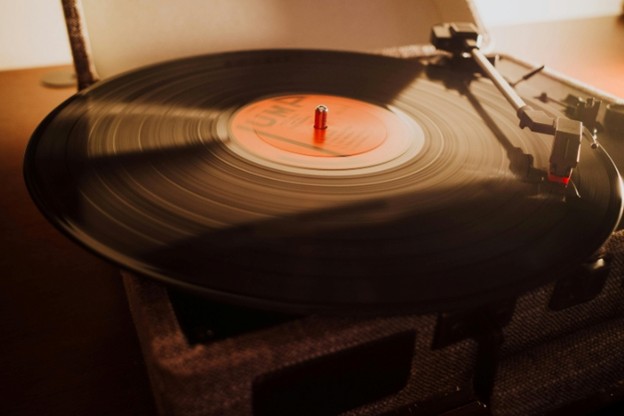
In a world where music is available instantly and endlessly, vinyl records have staged an unexpected and sustained comeback.
Streaming platforms dominate the industry, offering convenience, portability, and massive libraries at a low monthly cost. Yet vinyl continues to attract both longtime enthusiasts and new listeners discovering the format for the first time.
A single factor does not drive this resurgence. Instead, it reflects a broader shift in how people engage with music, value ownership, and seek meaningful experiences in an increasingly digital environment.
Understanding why vinyl continues to grow requires looking beyond nostalgia and examining the deeper cultural and behavioral changes shaping modern listening habits.
The Desire for True Ownership in a Subscription Economy
One of the most compelling reasons behind vinyl’s growth is the increasing importance of ownership.
Streaming platforms operate on an access-based model, where users pay for the ability to listen rather than to own. While this offers convenience, it also introduces limitations.
Albums can be removed without warning due to licensing changes, and curated libraries exist only within the boundaries of specific platforms. Music collections are no longer permanent; they are conditional.
Vinyl provides a clear contrast. When someone purchases a record, they own a physical copy that cannot be altered, restricted, or removed by external forces. This permanence has become more valuable as digital ecosystems continue to evolve.
Ownership also carries emotional weight. A vinyl collection represents time, effort, and personal taste. Each record often has a story: where it was found, when it was purchased, or why it matters. This depth of connection is difficult to replicate with digital playlists.
Reclaiming Music as an Active Experience
Streaming has made music more accessible, but it has also changed how people listen. In many cases, music becomes background noise, something that plays while working, exercising, or scrolling through content. Vinyl encourages a different approach.
Playing a record requires intention. It involves selecting an album, placing it on a turntable, and engaging with it from beginning to end. This process transforms listening into an activity rather than a passive experience.
Key Differences in Listening Behavior
- Vinyl promotes full-album listening rather than skipping between tracks
- It reduces distractions by removing screens and notifications
- It introduces a physical ritual that enhances engagement
These differences may seem small, but they fundamentally change how music is experienced. Listeners often report feeling more connected to the music when they engage with it in this way, which helps explain why vinyl continues to resonate.
The Cultural Significance of Collecting
Vinyl records have also become cultural artifacts. Collecting them is not just about music; it is about identity, taste, and self-expression. A record collection can reflect a person’s influences, interests, and even values.
Unlike digital libraries, which are largely invisible, vinyl collections are tangible and often displayed. Shelves of records can serve as both a personal archive and a visual statement. This visibility adds another layer of meaning to the act of collecting.
Artwork plays an important role as well. Album covers, inserts, and packaging contribute to the overall experience. The larger format allows for more detailed designs, turning each record into a piece of art.
Brands like Evergreen Vinyl support this aspect of music culture by offering curated selections that appeal to collectors. Access to specific artists, genres, or pressings makes it easier for listeners to build collections that feel intentional and personal.
Scarcity and the Appeal of Limited Editions
Another factor driving vinyl’s popularity is the concept of scarcity. Many records are released in limited quantities, with variations such as colored vinyl, special packaging, or exclusive editions. These releases create a sense of urgency and uniqueness.
For collectors, rarity adds value. Owning a limited edition record feels different from streaming a widely available track. It becomes something worth preserving and showcasing.
This dynamic also changes how music is purchased. Instead of simply accessing a song, listeners may seek out specific versions or pressings that hold particular significance. The process becomes more deliberate and, in many cases, more rewarding.
Those looking to find distinctive or hard-to-source records can use Evergreen Vinyl to access curated selections that align with these collecting habits.
A Reaction to Digital Fatigue
As digital technology becomes more integrated into daily life, many people are beginning to feel overwhelmed. Constant notifications, algorithm-driven recommendations, and endless content streams can make entertainment feel less enjoyable and more exhausting.
Vinyl offers a way to step away from this environment. It eliminates the need for screens and removes the influence of algorithms.
Why Analog Experiences Are Resonating
- They provide a break from screen-heavy routines
- They encourage slower, more deliberate consumption
- They reduce the cognitive load associated with constant choices
This shift toward analog experiences extends beyond music. People are increasingly drawn to activities that feel grounded and tangible.
The Revival of Album-Oriented Listening
Streaming platforms have reshaped the music industry around singles and playlists. While this model has its advantages, it often fragments the listening experience. Albums, which are designed as cohesive works, can lose their intended impact.
Vinyl helps restore the importance of the album. The format encourages listeners to engage with the music in the artist’s intended sequence. Skipping tracks is less convenient, which promotes continuity and immersion.
This focus on albums allows for deeper storytelling. Artists can create narratives, explore themes, and build emotional arcs that unfold over the course of a record. For listeners, this creates a richer and more satisfying experience.
Conclusion
Vinyl’s continued growth in the face of digital dominance is not a contradiction; it is a response. As streaming platforms prioritize convenience and scale, vinyl offers something fundamentally different: ownership, intentionality, and a deeper connection to music.
This resurgence highlights a shift in consumer behavior. People are no longer satisfied with passive consumption alone. They are looking for experiences that feel meaningful, personal, and enduring.
Vinyl meets these needs by transforming music into something tangible and immersive. It invites listeners to slow down, pay attention, and engage with sound more deliberately.
As the music industry continues to evolve, vinyl is likely to remain a significant part of the landscape. Not because it replaces digital formats, but because it complements them, offering an experience that digital platforms, for all their advantages, cannot fully replicate.

Add Comment