
The sharp rise in memory chip prices is turning from an industry problem into a factor in the structural transformation of the entire consumer electronics market. It is estimated that the increase in the cost of DRAM and NAND by the end of the year may reach 130%, which will lead to a decline in PC shipments by 10.4% and smartphones by 8.4%. The share of memory in the cost of PCs will grow from 16% to 23%, while device prices themselves are projected to rise by an average of 17%. Laptops priced below $500 may largely disappear by 2028, and the so-called AI PCs are unlikely to exceed a 50% market share before then. The price increase will lengthen the cycle of equipment operation in the corporate segment; the service life of PCs will increase by 15%, and in the consumer segment by 20%.
Smartphone shipments this year may decrease by up to 12.9% to 1.1 billion units, marking the largest drop in more than a decade. At the same time, the average selling price will increase by 14% to a record $523. The entry-level Android segment will be the most vulnerable, while premium players like Apple and Samsung Electronics will be able to maintain margins and even strengthen their market positions thanks to their scale and vertical integration. Thus, the market is shrinking in volume, but it is becoming more expensive in structure, and capital is concentrated among the largest participants.
The macro factor also brings additional volatility to the market, as investors are increasingly monitoring corporate reports from electronics and memory manufacturers, as well as upcoming releases on the economic calendar. From inflation data to statistics on retail sales and industrial production. If macro indicators point to weakening consumer demand, pressure on the low-cost device segment may increase, and manufacturers will face an even tougher choice between maintaining margins and maintaining volumes. In this context, memory deficits are becoming not only an industry problem but also an element of a broader macroeconomic correction.
The situation is aggravated by the fact that memory providers have shifted their capacities to the more profitable server segment. Electronics manufacturers tried unsuccessfully to negotiate with Samsung Electronics and SK Hynix to increase supply, but data centers and AI infrastructure are being prioritized, paving the way for the anticipated Anthropic IPO and further development across the sector. Contract prices for DDR4 increased by 60% last year and may double this year, while spot quotes have increased several times in some cases. NAND is capable of rising in price by more than 100% YoY in the second quarter. As a result, televisions, set-top boxes, routers, laptops, and low-cost smartphones are reducing output, and some manufacturers are even removing memory from the inventory of old models to install in new ones.
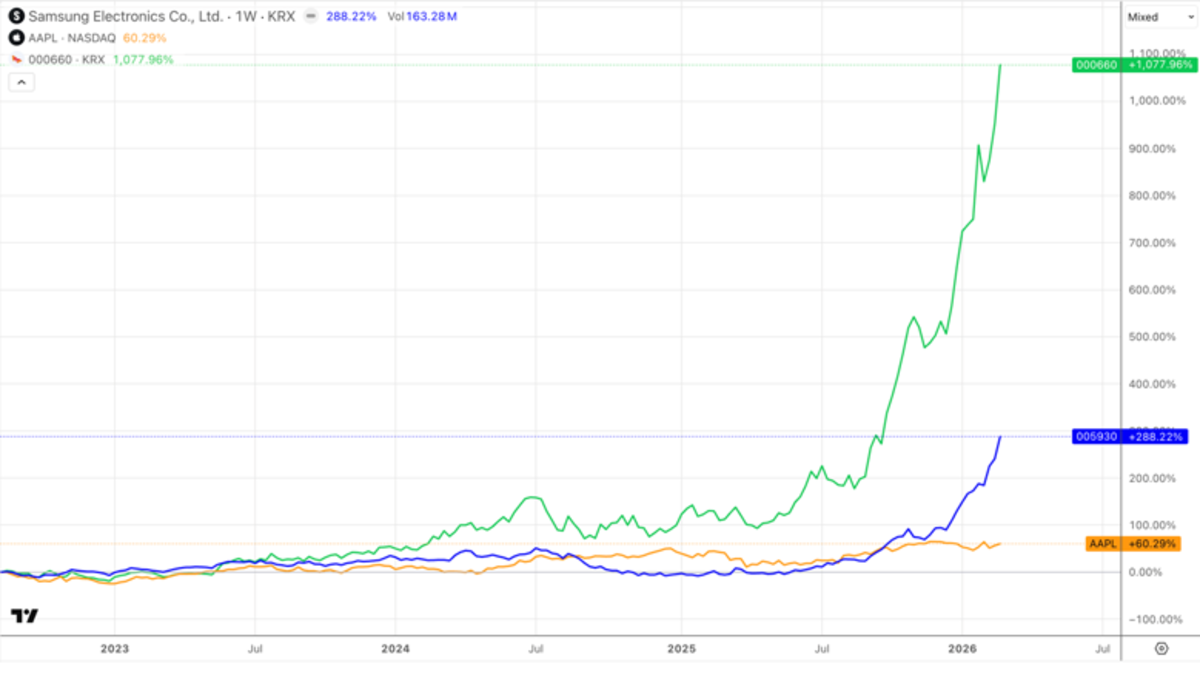
Memory manufacturers maximize profitability by serving demand from the server market, where margins and contract volumes are significantly higher. Consumer electronics is becoming a contributor to the profitability of the infrastructure AI cycle. In the short term, this increases the revenue and profits of memory vendors, but at the same time compresses final demand, increases the barrier to entry for new device manufacturers, and accelerates industry consolidation.
Thus, the memory shortage ceases to be a temporary imbalance and turns into a factor of capital redistribution within global electronics. The mass segment is shrinking, the premium segment is strengthening, and investment flows are shifting toward the server infrastructure. Until 2027, according to industry participants, the market will live in a regime of high price volatility and limited supply, which means continued pressure on volumes but maintained attractive profitability for key component suppliers.

Add Comment