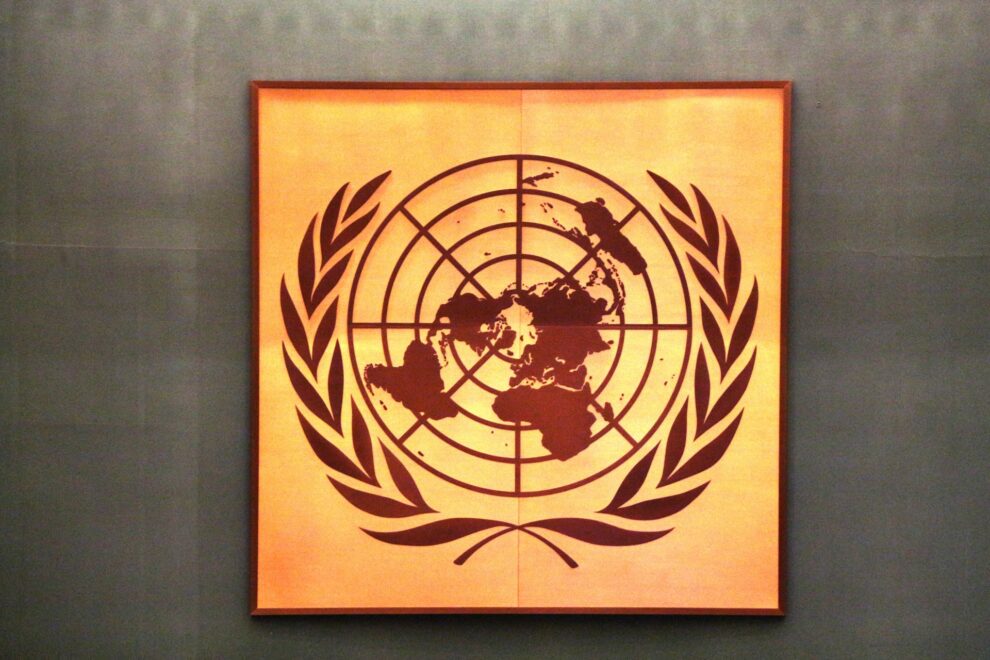
The World Health Organization hailed Thursday good collaboration with the United States and US institutions over a deadly hantavirus outbreak, despite Washington’s announced withdrawal from the UN agency.
Three people have died and five others have been sickened in a rare hantavirus outbreak on a cruise ship in the Atlantic that has sparked international alarm.
Efforts are under way in a number of countries to monitor passengers who had left the MV Hondius before the outbreak was confirmed last weekend, and who had returned home.
Several passengers have also reportedly returned to the United States, which under President Donald Trump has announced its withdrawal from the United Nations health agency.
WHO chief Tedros Adhanom Ghebreyesus said technical information was still being exchanged.
“As we speak, things are going actually as it used to be, meaning sharing information from our side, and also we are getting information from the US side,” he told reporters, from the WHO headquarters in Geneva.
The WHO’s emergency alert and response director Abdi Rahman Mahamud agreed.
“In terms of collaboration with US and US institutions, it has been going very well on the technical side,” he said.
“We’ve been exchanging information,” he said, adding that there had been a good flow of information with the US Centers for Disease Control and Prevention especially.
He stressed that the United States remains a state party to the International Health Regulations (IHR), and that in that context “back and forth communication is going on”.
One of the countries at the centre of the crisis, Argentina — from where the Hondius departed on April 1 and where the first case in the outbreak is believed to have been infected — has also announced its withdrawal from the WHO.
Tedros said Thursday that his agency was “working with health authorities in Argentina”, where the Andes virus — the only species of hantavirus that spreads between people, which has been shown to be the culprit in the outbreak — is endemic.
“I thank the government of Argentina for its cooperation, given its experience and expertise with Andes virus,” he said, adding that WHO had “arranged for shipments of 2,500 diagnostic kits from Argentina to laboratories in five countries”.
Tedros said the outbreak with impacts in multiple countries highlighted the importance of sharing health information.
“This is what makes a platform like WHO very, very important,” he said, stressing that “any vacuum” in the flow of information “gives advantage to the virus”.
He suggested the hantavirus crisis might even convince both Argentina and the United States to “reconsider their decisions” to leave the WHO.
He voiced hope they would “see how important universality is for health security”.
“Viruses don’t care about our politics, they don’t care about our borders,” he said.
“Solidarity is our best immunity.”
Add Comment