Table of Contents
- Understanding Beach Zones
- Choosing the Right Equipment
- Optimal Detecting Times
- Effective Search Techniques
- Legal Considerations
- Safety and Ethics
- Maintaining Your Equipment
- Joining the Community
- Conclusion
Beach metal detecting is a rewarding activity that combines the excitement of discovery with the tranquil backdrop of the shoreline. Whether you are new to the hobby or seeking to refine your techniques, understanding how to approach your search can significantly enhance your findings. To get started on the right track, consult this beach detecting guide for equipment and expert tips that cater specifically to beach environments.
Metal detecting at the beach involves more than finding coins or jewelry. It requires understanding beach dynamics, regulations, and responsible practices. Following guidelines improves your chances of finding valuables while protecting habitats and other beachgoers. Knowing when and where to search, understanding sand and surf zones, make each search efficient, ethical, and fun. Connecting with the metal-detecting community speeds up learning and links you with experienced enthusiasts. Safe, sustainable practices safeguard your well-being and preserve the beach for all. Maintaining gear, respecting laws, and practicing good etiquette ensure your hobby’s longevity and enjoyable experiences.
Understanding Beach Zones
Beaches are divided into zones with unique treasure-hunting chances. The dry sand, above the high tide line, is popular for finding freshly dropped valuables like coins, jewelry, and keys, and is easy to dig for beginners. The wet sand, between high and low tide, is tougher due to mineralization but may hold older, heavier items that settled deeper, requiring specialized metal detectors. The surf zone, within the water, needs waterproof equipment and is popular for long-lost items churned up by waves, especially after storms. Detectors here must resist saltwater and stay sensitive.
Choosing the Right Equipment
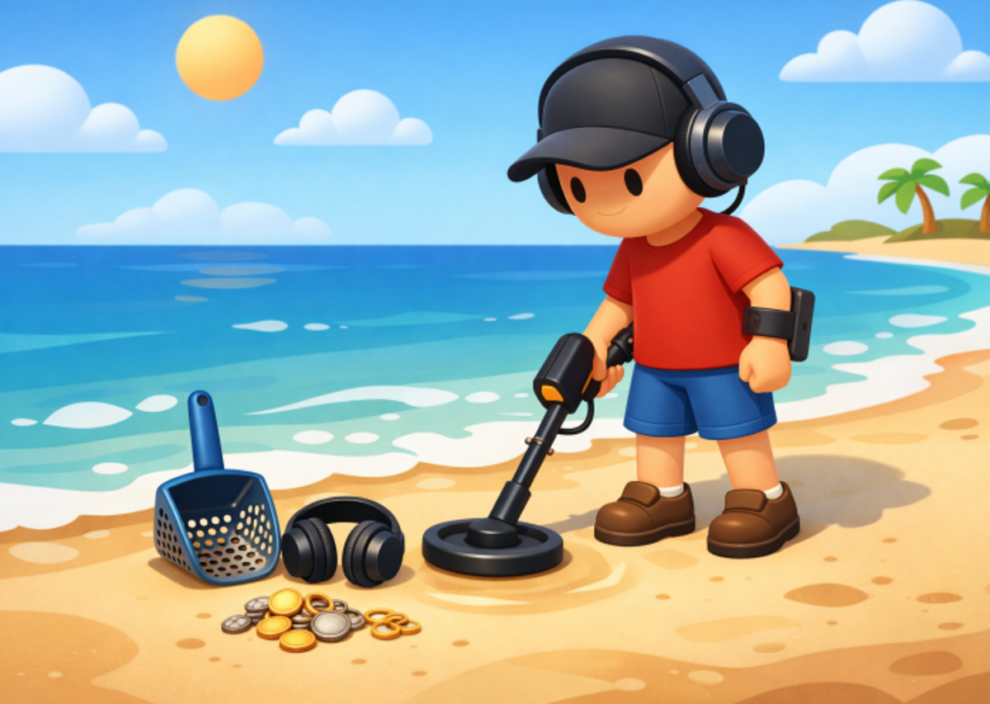
Your choice of equipment plays a significant role in your success. A waterproof or submersible metal detector is ideal for the challenges of saltwater beaches, as they can mitigate the effects of salt and minerals that often lead to false signals. Pulse induction and multi-frequency detectors are especially adept at processing signals in mineralized sands.
A sturdy sand scoop, especially one with a long handle, is essential for efficiently extracting items from wet sand or shallow water. Using headphones with your detector helps to isolate faint signals and avoids disturbing other beachgoers.
Optimal Detecting Times
Effective beach metal detecting often comes down to timing. Low tide reveals portions of the beach that are usually hidden beneath the surf, substantially expanding your search area. Early mornings and evenings not only offer cooler temperatures but also fewer crowds, allowing you uninterrupted detecting sessions. Storms can significantly alter beach landscapes, unearthing deeply buried treasures. Searching after a storm increases the chances of uncovering items that have been washed up or shifted closer to the surface.
Effective Search Techniques
Discipline in your search patterns is crucial. Employing a systematic grid ensures you cover every part of your chosen area without missing potential finds. Move your detector slowly and maintain the coil close to, but not touching, the surface for maximum sensitivity. Pay special attention to high-traffic areas, such as the towel line, paths to the beach, and zones near lifeguard stations, as these areas are hotspots for lost belongings. Understanding the science of sand movement and how people interact with different parts of the beach can lead to more successful searches.
Legal Considerations
Research the legal aspects of metal detecting before you start. Some beaches require permits to use metal detectors, and the rules can vary widely depending on whether the beach is public, state-owned, or within a protected area. National and state parks often have strict regulations, and unauthorized detection can result in the confiscation of equipment or fines. Always check with local authorities and obtain any necessary documentation to avoid legal trouble.
Safety and Ethics
Responsible detecting means caring for the beach and its visitors. Always refill the holes you dig to prevent injuries to others. Respect private property boundaries; you should never trespass on private land without the owner’s explicit permission. Additionally, remain vigilant about wildlife habitats, giving nesting areas a wide berth, and being mindful of local animals. Ethical detection helps maintain a welcoming atmosphere for everyone and protects the natural environment.
Maintaining Your Equipment
Saltwater and sand are harsh on metal detecting gear. After each use, rinse your detector and accessories with fresh water to remove any residue that could corrode components. Regularly examine cables, control boxes, and seals for signs of wear. Prompt repairs or replacements prevent bigger problems and keep your detector operating at peak performance.
Joining the Community
Metal detecting is more enjoyable with a community, with local clubs organizing hunts and online forums sharing techniques and finds. Engaging with these groups helps stay motivated and informed. Mastering beach metal detecting requires practice, patience, and respect, ensuring productive and sustainable experiences that deepen your appreciation and may lead to memorable discoveries.
Conclusion
Beach metal detecting combines strategy, timing, and respect for nature into a rewarding pursuit. Understanding beach zones, using proper equipment, and disciplined techniques increase your chances of finding recent losses and buried treasures. Each visit improves your skills and landscape reading. Awareness of laws, safety, and equipment care is vital. Responsible detecting protects the environment and maintains access. With patience, consistency, and willingness to learn, it can become a satisfying, productive adventure.

Add Comment