Eight in 10 adults in the French West Indies have a toxic pesticide in their blood decades after banana growers stopped using it, a study said Wednesday.
One in six residents in France’s former colonies turned overseas territories of Martinique and Guadeloupe showed levels of the carcinogenic insecticide above the safe threshold, it warned.
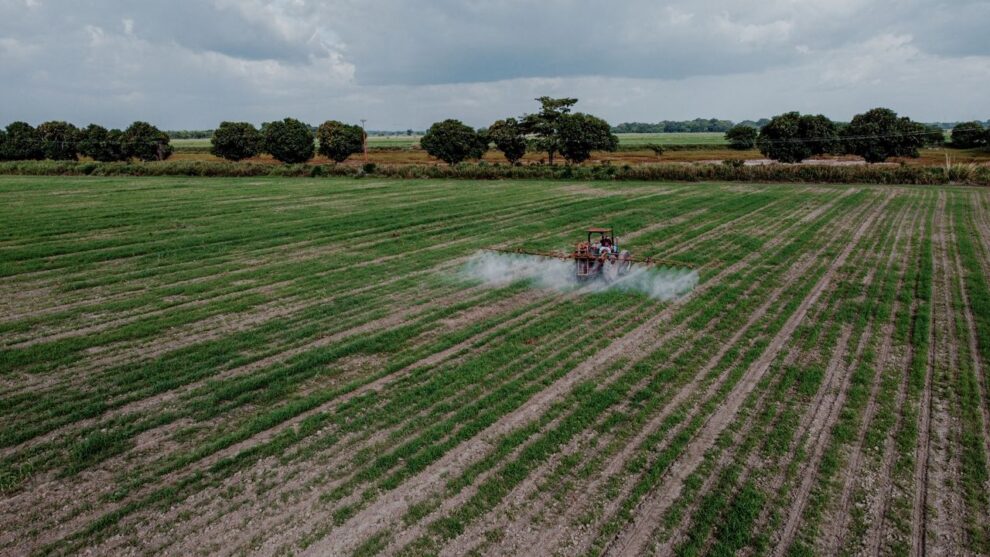
Farmers widely used chlordecone, also known under the brand name Kepone, to eliminate weevils in banana plantations in Guadeloupe and Martinique from 1972 until 1993.
France banned it in 1990, but allowed its continued use on the Caribbean islands until 1993 — despite the World Health Organization warning since the late 1970s that it was likely carcinogenic for humans.
Three decades later, studies show the harmful pesticide continues to permeate the soil and water, in what activists say is a major health and environmental scandal linked to France’s colonial legacy.
Parliament earlier this month recognised the state’s “share of responsibility for the health-related, moral, environmental and economic harm” in a bill that pledged to decontaminate soil and water and to compensate victims.
The latest study by the French health authorities looked at more than 1,000 adults each in both overseas territories.
Eight in 10 adults on average had traces of chlordecone in their blood, it said, slightly less than nine in 10 according to a previous study conducted a decade earlier.
“People aged 50 and over, living in contaminated geographic areas and working in the fishing or farming sectors, are the most heavily exposed,” it added.
It further warned that around one in six people had more than 0.4 micrograms per litre of the substance in their blood, a level beyond which health risks “cannot be ruled out”.
The chemical has been linked to prostate cancer — the rate of which in Martinique and Guadeloupe is among the highest in the world — as well as stomach and pancreatic cancer.
Studies have also shown adverse effects on the nervous system, reproduction, the hormonal system and the functioning of certain organs including the heart, according to France’s ANSES health agency.

Add Comment