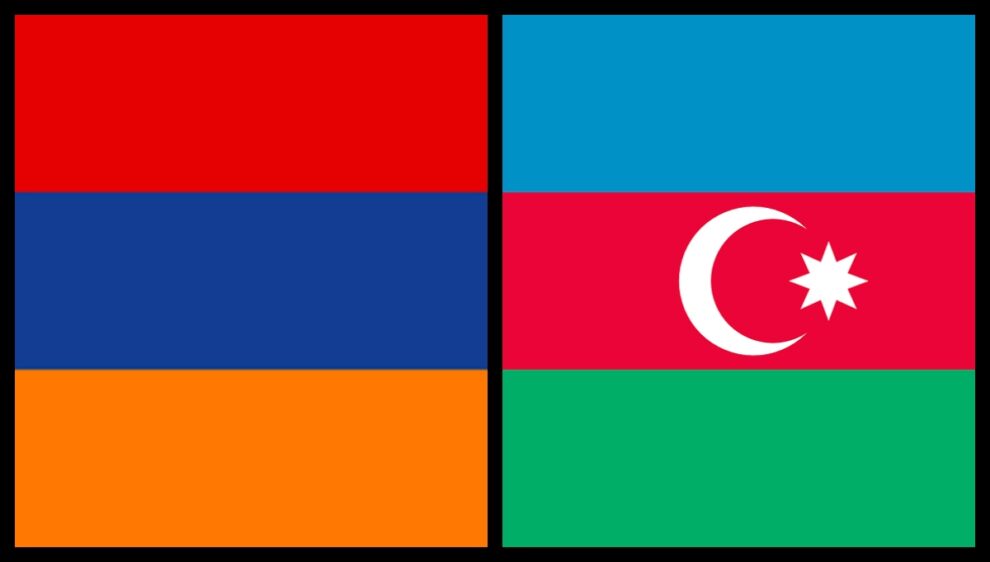
Rivals Armenia and Azerbaijan on Monday “agreed not to use force” to resolve their dispute over the Nagorno-Karabakh territory, in a joint statement after Russian-mediated talks.
Baku and Yerevan also agreed “to settle all disputes solely on the basis of the recognition of mutual sovereignty and territorial integration”, they said in a joint declaration adopted at the end of the Sochi summit.
The initiative comes a month after the worst clashes between Armenia and Azerbaijan since their war in 2020.
Armenia and Azerbaijan have fought two wars — in 2020 and in the 1990s — over Azerbaijan’s Armenian populated region of Nagorno-Karabakh.
A six-week war in autumn 2020, which claimed the lives of more than 6,500 troops on both sides, ended with a Russian-brokered deal that saw Yerevan cede swathes of territory that it had controlled for several decades.
Last month, 286 people from both sides were killed in clashes that have jeopardised a slow and halting peace process.
The hostilities ended with a US-brokered ceasefire, after earlier failed attempts by Russia to negotiate a truce.
With Moscow increasingly isolated on the world stage following its February offensive on Ukraine, the US and the EU have taken a leading role in mediating the Armenia-Azerbaijan peace talks.

Add Comment