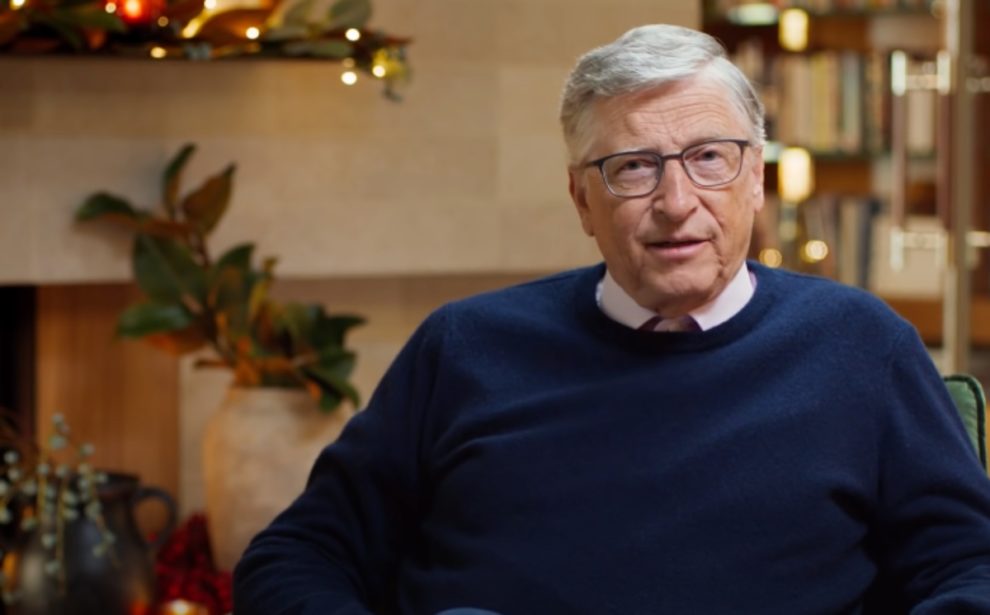
A major transformation in the way we work could be just a decade away, according to Microsoft co-founder Bill Gates. In a recent appearance on The Tonight Show with Jimmy Fallon, Gates shared his belief that within ten years, advances in Artificial Intelligence could reduce the need for humans to work more than two or three days a week.
“What will jobs be like? Should we just work like 2 or 3 days a week?” Gates asked during the interview. He added that “at the current pace of innovation in AI,” humans may no longer be needed “for most things.”
This isn’t the first time Gates has suggested such a shift. Back in 2023, around the time ChatGPT was gaining widespread attention, he predicted a new normal of three-day workweeks. On Trevor Noah’s What Now? podcast, he emphasized, “If you zoom out, the purpose of life is not just to do jobs,” encouraging people to think about how they might spend their time if full-time work became unnecessary.
Divided opinions on the future of work
While Gates imagines shorter workweeks in the AI era, some Indian business figures see things differently. Narayana Murthy, co-founder of Infosys, recently stated that Indians should aim to work 70 hours a week to help the nation remain globally competitive. However, he clarified that this was his personal opinion, not a directive.
In a resurfaced video, Larsen & Toubro Chairman SN Subrahmanyan went even further, expressing regret that he didn’t have his employees work on Sundays. He had supported the idea of a 90-hour workweek—comments that were met with widespread criticism.
Support from other global leaders
Despite differing opinions, Gates isn’t alone in predicting shorter work schedules. Jamie Dimon, CEO of JPMorgan, recently suggested AI could bring about a three-and-a-half-day workweek. Japan is also testing a similar approach; Tokyo’s Metropolitan Government recently rolled out a four-day workweek program, aimed primarily at boosting the country’s declining birth rate.
As concerns over burnout and mental fatigue grow worldwide, Gates’ vision of a more relaxed, AI-driven workweek may be arriving sooner than expected.

Add Comment