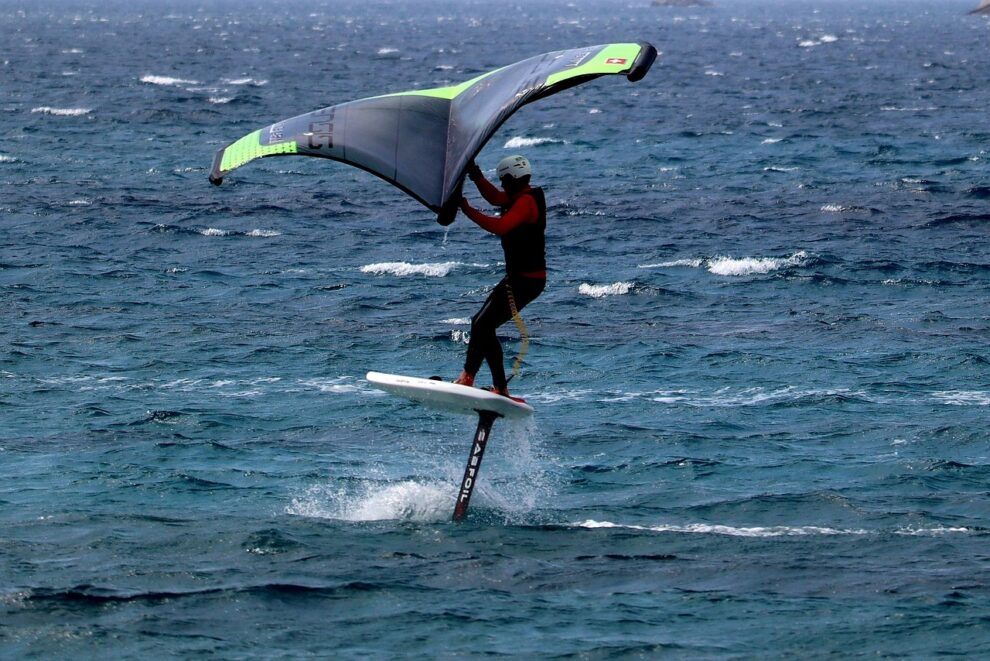
Foiling has changed water sports. The feeling of lifting off the surface draws more riders every year. But buying a foil setup is not like picking a surfboard off a rack. The wrong combination of board, mast, and wing can stall your progress or make learning harder than it needs to be. A little research before you spend saves frustration on the water.
Skill Level Should Drive Every Decision
The biggest mistake new buyers make is choosing gear based on what advanced riders use. A setup built for speed and agility will punish a beginner. A setup built for stability will bore an expert. Match the gear to where you are right now, not where you hope to be in six months.
Beginners need a larger board with more volume. A wide, thick board floats well and gives you a stable platform while you learn to balance. The front wing should be large too. A bigger wing generates lift at lower speeds, which means you get up on the foil sooner and stay there longer.
Intermediate riders can start trimming down. A smaller board responds faster and handles better at speed. The front wing can shrink, which allows tighter turns and more control in waves. Advanced riders dial in based on the type of riding they want to do, whether that is surf foiling, downwind runs, or kite foiling at high speed.
Body Weight Affects More Than You Think
Two riders at different weights on the same setup will have very different experiences. A heavier rider needs more lift to get out of the water and stay flying. That means a larger front wing and a board with enough volume to support the weight during the water start.
A lighter rider on an oversized setup will feel overpowered and unstable. The foil lifts too fast and control becomes a fight instead of a flow. Most manufacturers list weight ranges for their boards and wings. Pay attention to those numbers. If you fall between two sizes, lean toward the larger option while learning and the smaller one if you have solid foil time.
Riding Goals Shape the Setup
Not every foil rider wants the same thing. Some want to cruise flat water on a wing. Others want to pump into ocean swells. Others want to connect a foil to a kite and cover ground at speed. Each style calls for a different combination of parts.
Surf foiling favors shorter masts and wings that carve well on a wave face. Downwind foiling needs a longer mast and a wing that glides at moderate speed. Kite foiling leans toward stiffer masts and smaller wings built for higher speeds. Wing foiling sits in the middle, balancing lift, speed, and turning ability.
If you are not sure which direction you want, start with a versatile setup. A mid-length mast around 75 centimeters and a mid-size front wing gives you room to explore without locking into one style too early.
Comparing Models and Specs Before You Commit
Once you know your skill level, weight, and goals, the next step is comparing options. Not all foils are built the same even when the numbers look similar.
Material matters. Carbon parts are lighter and stiffer, which improves response and reduces arm fatigue on longer sessions. Aluminum parts are heavier but affordable and durable for riders who are still learning. Some brands mix different materials to balance cost and performance.
Mast connections vary between brands too. Some use a plate mount. Others use a tuttle box. Make sure the foil works with the board you plan to ride. Riders who want to compare setups side by side can browse retailers that carry multiple brands, like those offering a full foil board selection across skill levels. Seeing specs in one place makes it easier to spot differences that matter for your riding style.
Water Conditions Play a Role Too
Flat water is forgiving. Choppy water is not. The conditions you ride most often should influence your mast length, wing size, and board shape.
Short masts work well in flat water and small surf. They keep the foil closer to the surface, which feels stable and gives quick feedback. Longer masts handle open ocean swell better because they keep the board above the chop. But a long mast in shallow water means hitting bottom, so know your local breaks before you size up.
Wind strength matters too. Light wind riders need more lift from a larger wing. Strong wind riders can get away with smaller wings that are faster and more agile. If your local spot sees a wide range of conditions, owning two front wings in different sizes lets you tune your setup to match the day.
Test Before You Buy
The best advice for any rider shopping for a foil setup is to try before you spend. Demo days, rental programs, and local foil groups give you a chance to feel how different setups ride. Numbers on a spec sheet tell part of the story. Time on the water tells the rest. Borrow a friend’s board. Rent a setup for a session. Ask local riders what they fly and why. The foil that feels right under your feet is worth more than the one that looked best on a screen. Test before you commit and you will end up with gear that fits your body, your goals, and the water you ride every week.

Add Comment