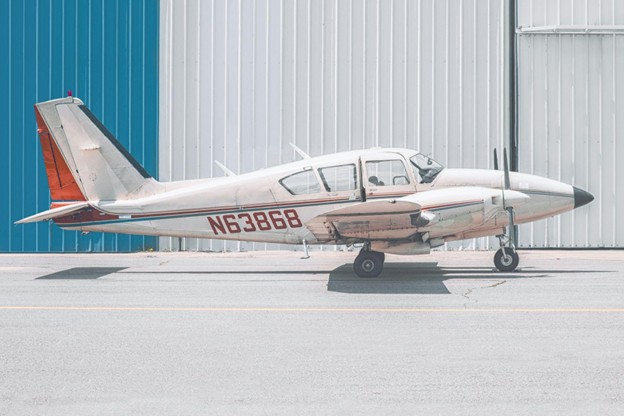
When it comes to hangar doors, they provide a great deal of security and large-scale access for aircraft vehicles. It also helps to protect aircraft from harsh weather, theft, and debris.
These doors play a crucial role in maintaining interior climate control and supporting operational efficiency, ensuring safety in military, commercial, and private aviation environments.
Let’s take a look at what buyers need to know before investing in these hanger doors. From door type to material and maintenance costs, there are a number of considerations to make.
Key hangar door types and applications
There are a number of key hangar door types and applications. Here are a few different types to know about:
Bi-fold doors
These fold inwards in panels and are ideal for hangers that have limited side space and offer space-saving advantages.
Horizontal sliding
Suited for very wide or large openings and, in particular, for commercial airliners. They’re durable, have lower maintenance requirements, and are good for frequent use.
Hydraulic/one-piece doors
These swing up and onwards, which creates a large and unobstructed passage. Often chosen for their simplicity, durability, and the ability to handle high wind loads, making them ideal for heavy-duty applications.
Fabric doors
Lightweight and flexible, these are increasingly used for those who have very large openings or in areas that require superior wind deflection.
Crucial technical considerations
There are several crucial technical considerations to think about when it comes to investing in a commercial hangar door.
It’s important to never rely solely on manufacturer specifications. Instead, measure the aircraft with wheels chocked and the tail height included. You’ll want to add a minimum of 18-24 inches on all sides for safe clearance.
You should also take wind load ratings seriously. Check local building codes to ensure the door can handle the regional wind speeds.
Material selection is highly important, with steel offering superior strength and fire resistance. Aluminium is lightweight and corrosion-resistant are ideal for coastal or high-humidity environments.
To manage climate control, you’ll want to choose insulated panels with high R-values to minimize energy loss.
Operational and safety features
Automation is great for convenience and safety. It’s also important to ensure there’s a manual override in case of power failure.
When it comes to safety standards, look for features like entrapment protection, safety sensors, and emergency stopping systems.
Hidden costs and long-term value
There are several hidden costs to think about, as well as the long-term value that comes with each of the hangar types.
Installation can sometimes double the initial quoted door price. There are often hidden costs, such as foundation upgrades for track anchoring and header beam reinforcement. You’ve also got maintenance needs like lubrication, every 3-6 months is essential to prolong the life of components like motors, hinges, and weather seals.
Supplier due diligence
The due diligence of the supplier is important too, so ensure the vendor can provide documented proof of performance. Choose vendors that offer strong warranty coverage, have available spare parts, and provide reliable technical support.
Before signing any contract, be sure to have a structural engineer confirm that the building’s existing structure can handle the load of a new door.
Before signing a contract, it is highly recommended to have a structural engineer confirm that the building’s existing structure can handle the load of the new door, particularly for retrofits.

Add Comment