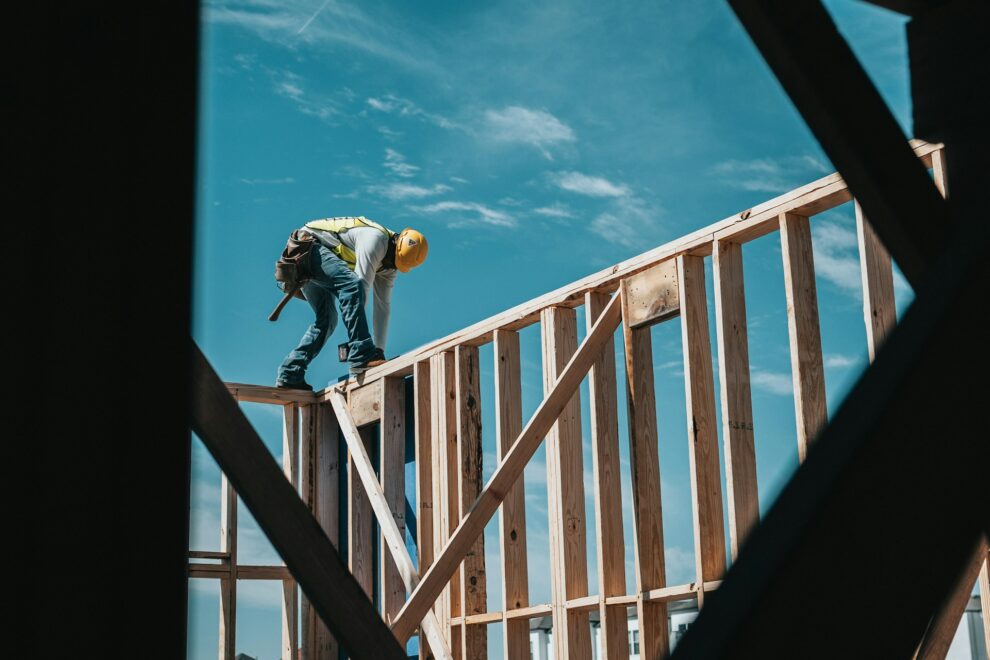
Modern infrastructure depends on more than large structural materials such as steel beams, concrete, and timber. Beneath every bridge, commercial building, and transport network is a carefully engineered system of construction fixings that keep structural elements securely connected. These components are responsible for maintaining alignment, distributing loads, and ensuring that infrastructure remains safe and stable over time.
While they may be small compared to the structures they support, construction fixings play a vital role in maintaining the integrity of modern engineering projects. Below are some of the key types of fixings that help keep today’s infrastructure secure.
- Structural Bolts
Structural bolts are among the most widely used fasteners in large construction projects. They’re designed to secure heavy steel components and provide the strength needed to hold structural frameworks together.
These bolts work by creating strong clamping forces between connected components. When tightened correctly, they distribute loads evenly across the joint, helping prevent movement or separation.
Structural bolts are commonly used in:
- Steel building frames
- Bridges and transport infrastructure
- Industrial structures and towers
Their ability to withstand high tension and shear forces makes them essential in large-scale construction.
- Threaded Rods and Studding
Threaded rods, also known as studding, are highly versatile fixings used in both structural and mechanical installations. Unlike traditional bolts, threaded rods are fully threaded along their entire length, allowing nuts and washers to be positioned anywhere along the rod.
This flexibility allows builders to adjust and customize fastening systems to suit specific applications.
Threaded rods are often used for:
- Suspending pipework and ducting
- Securing heavy equipment
- Anchoring components into concrete or masonry
Because they can be cut to size and adjusted during installation, they’re widely used in commercial and industrial construction.
- Concrete Anchors
Concrete anchors are specialized fixings designed to secure components directly into concrete surfaces. Since concrete is extremely strong but brittle, standard screws or bolts can’t be used effectively without proper anchoring systems.
Concrete anchors expand or bond within the material to create a secure connection capable of supporting heavy loads.
Common applications include:
- Mounting structural brackets
- Securing machinery to floors
- Fixing safety barriers and railings
These anchors ensure that components remain firmly attached even under heavy stress or vibration.
- Angle Brackets and Structural Connectors
Angle brackets and structural connectors reinforce joints where materials meet at right angles. These fixings are frequently used in timber construction and steel frameworks to strengthen connections between beams and supports.
By adding extra reinforcement at critical points, angle brackets help prevent movement, twisting, or separation in structural joints.
They’re commonly used in:
- Timber framing
- Decking and outdoor structures
- Shelving and support systems
These connectors help ensure structures maintain their shape and stability over time.
- Masonry Fixings
Masonry fixings are designed specifically for materials such as brick, stone, and blockwork. Because these materials are dense and brittle, specialized fixings are needed to ensure secure installation.
Examples include masonry screws, wall plugs, and expansion bolts. These fixings are widely used when installing fixtures or structural components onto masonry surfaces.
Typical uses include:
- Mounting handrails and guardrails
- Securing structural brackets
- Installing external fixtures on building walls
Using the correct masonry fixings prevents cracking and ensures a strong connection within the material.
- Corrosion-Resistant Fasteners
Many infrastructure projects operate in environments where moisture, chemicals, or temperature fluctuations can cause metal fixings to corrode over time.
To address this, builders often use corrosion-resistant fasteners made from stainless steel or coated with protective finishes such as galvanization or zinc plating.
These fasteners are especially important in:
- Bridges and coastal infrastructure
- Outdoor structures
- Industrial environments
Corrosion-resistant hardware helps maintain structural integrity and extends the lifespan of infrastructure systems.
- Specialist Fixings for Modern Construction
As construction methods evolve, so do the fixings used to support them. Modern infrastructure projects often require specialized fasteners designed for specific materials or installation techniques.
Examples include fixings for composite materials, insulated panel systems, and high-strength mechanical installations. Access to a wide range of hardware allows builders to choose the most appropriate fixing for each application.
Many construction professionals rely on suppliers such as Tradefix Direct to source the specialized fixings required for complex projects.
Small Components, Big Structural Impact
Although construction fixings may seem minor compared to the scale of modern infrastructure, they play a crucial role in ensuring safety and stability. From structural bolts and anchors to brackets and threaded rods, these components create the connections that hold entire systems together.
Without reliable fastening solutions, even the most advanced engineering projects would struggle to maintain their structural integrity. By choosing the right fixings and installing them correctly, builders help ensure that infrastructure remains secure, durable, and capable of supporting the demands of modern life.

Add Comment