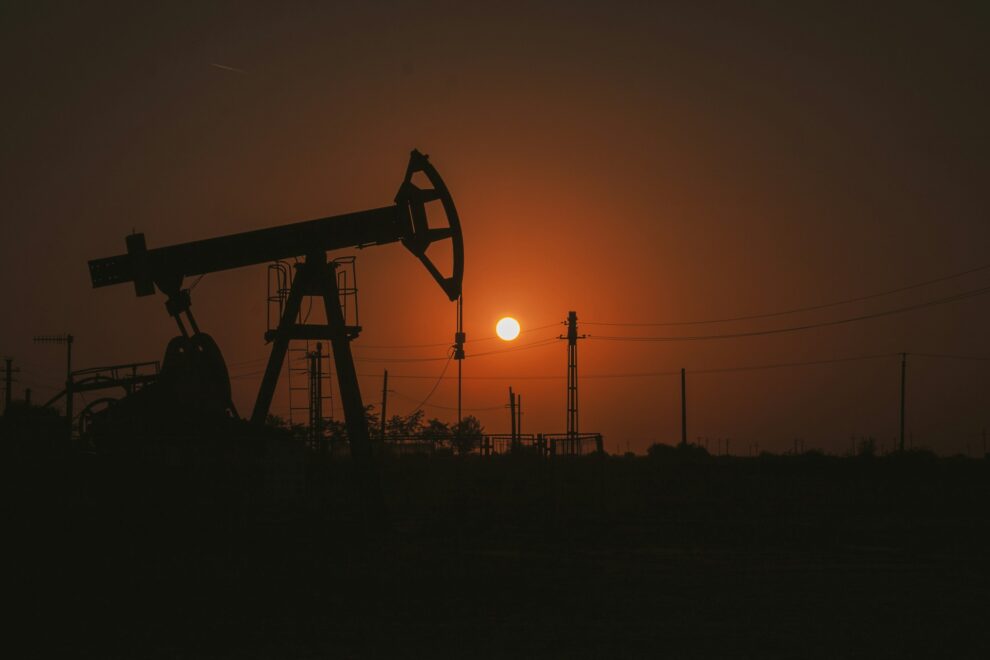
Oil and gas prices plunged, stock markets soared and the dollar retreated Wednesday after the United States and Iran agreed a temporary ceasefire that could lead to the Strait of Hormuz reopening.
“A wave of relief has hit financial markets after threats of a devastating escalation of the war were replaced by a temporary truce,” said Susannah Streeter, chief investment strategist, Wealth Club.
The most widely traded oil contracts fell more than 15 percent to just above $90 a barrel, after a month of conflict that killed thousands and hammered the global economy.
Stock markets soared, with Wall Street’s three main indexes opening more than two percent higher.
Europe’s main bourses were up between two and five percent in mid-afternoon trading.
The Tokyo stock market closed up 5.4 percent and Chinese indices jumped around three percent.
The dollar, a safe haven in times of market turmoil, slid against the euro, yen and British pound as investors returned to riskier assets.
But traders warned that the euphoria could be short-lived as both sides have threatened to resume hostilities if the two-week pause does not lead to an agreement.
“In reality, the markets are not pricing in peace but a window for negotiation. And that is precisely the issue: in two weeks, either this window will lead to a lasting agreement, or it will only postpone and amplify the energy shock that everyone fears,” said John Plassard of Cite Gestion.
Maritime monitor Marine Traffic noted that two ships had passed through the waterway since Iran agreed to reopen it, through which much of the world’s oil, gas and fertiliser passes. But a major German shipping company said it was too early for its trapped ships to set sail out of the Gulf.
Shipping journal Lloyd’s List estimated that around 800 ships were hampered.
The International Air Transport Association meanwhile said that it would take months for jet fuel supplies and prices to normalise.
“Should talks falter or activity through the strait remain subdued, oil prices and the dollar could reverse course fairly quickly,” said Matthew Ryan, head of market strategy at global financial services firm Ebury.
Most equity sectors saw sizable gains, with mining groups, banks and airlines among the biggest winners, with gains of more than 10 percent in some cases.
Energy majors slumped, however, having made huge gains over the past few weeks.
Shell was down more than six percent in London even as it said first-quarter earnings were set for a “significant” boost from higher oil prices. BP fell more than seven percent and Totalenergies five percent. Despite Wednesday’s hefty falls to oil and gas prices, fuel prices and energy company share prices remain far above their levels on the eve of the Mideast war at the end of February.
“I don’t think we’re going to (quickly) go back to the levels we were at before the war,” said Kathleen Brooks, research director at XTB traders.
“The reason why is that energy infrastructure across the Gulf has been targeted.”
– Key figures at around 1340 GMT –
Brent North Sea Crude: DOWN 16.7 percent at $91.05 a barrel
West Texas Intermediate: DOWN 18.0 percent at $92.45 a barrel
New York – Dow: UP 3.0 percent at 47,973.86 points
New York – S&P 500: UP 2.5 percent at 6,781.51
New York – Nasdaq Composite: UP 3.2 percent at 22,713.61
London – FTSE 100: UP 2.6 percent at 10,620.23
Paris – CAC 40: UP 4.7 percent at 8,278.34
Frankfurt – DAX: UP 4.8 percent at 24,031.97
Tokyo – Nikkei 225: UP 5.4 percent at 56,308.42 (close)
Hong Kong – Hang Seng Index: UP 3.1 percent at 25,893.02 (close)
Shanghai – Composite: UP 2.7 percent at 3,995.00 (close)
Euro/dollar: UP at $1.1699 from $1.1585 on Tuesday
Pound/dollar: UP at $1.3454 from $1.3274
Dollar/yen: DOWN at 158.17 yen from 159.70 yen
Euro/pound: DOWN at 86.96 pence from 87.28 pence

Add Comment