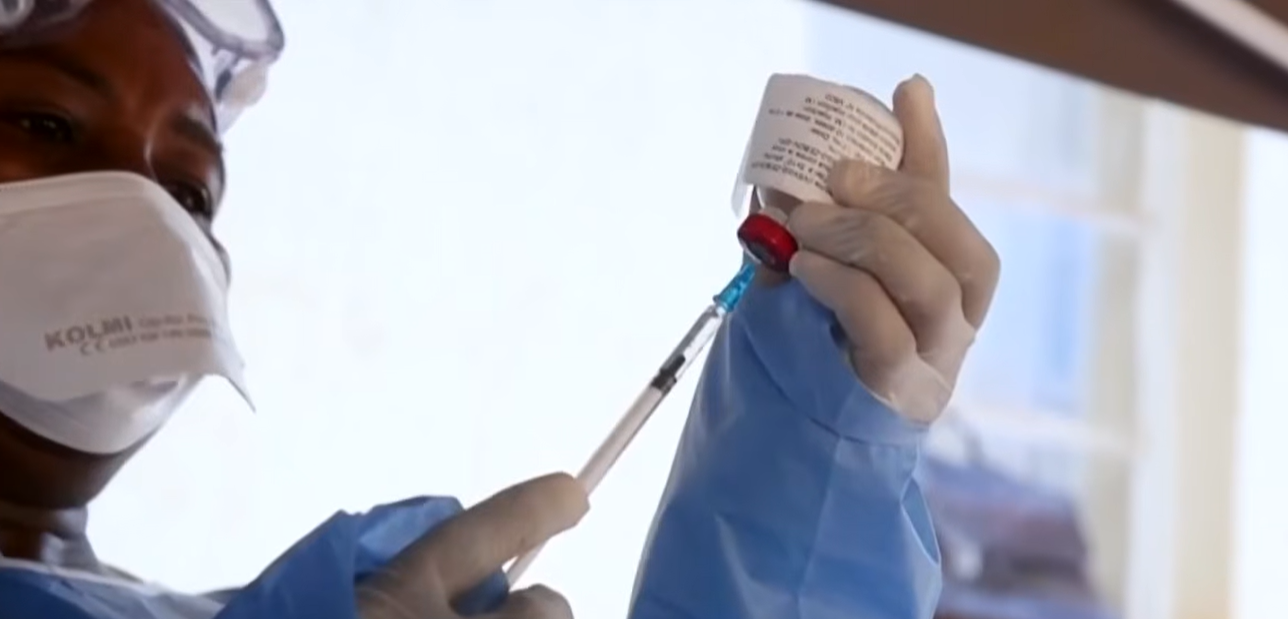



- Uganda received 1,200 doses of a candidate Ebola vaccine from Sabin for Sudan strain trials, amid cautious optimism.
- Outbreak declared Sept 20: 142 confirmed cases, 56 deaths, and spread to the capital Kampala.
- Three candidate vaccines from Oxford University and the Jenner Institute, Sabin and IAVI will be trialed in coming weeks.
- Vaccines will be used in ring vaccination of contacts, contacts of contacts, frontline staff and health workers.
- WHO says outbreak ends after 42 consecutive no-case days; last patient discharged Nov 30, 33 days remain.
Uganda on Thursday received its first shipment of trial vaccines against a strain of Ebola that has claimed dozens of lives, amid cautious optimism the outbreak could soon be over.
Since authorities declared an Ebola outbreak on September 20, the East African nation has registered 142 confirmed cases and 56 deaths, with the disease spreading to the capital Kampala.
The outbreak has been caused by the Sudan strain of the virus, for which there is currently no vaccine.
But three candidate vaccines — one developed by Oxford University and the Jenner Institute in Britain, another from the Sabin Vaccine Institute in the United States, and a third from the International AIDS Vaccine Initiative (IAVI) — will be trialed in Uganda in the coming weeks.
“We are very excited that today Uganda has received 1,200 doses of one of the three candidate vaccines against the Sudan Ebola virus,” Uganda’s Health Minister Jane Ruth Aceng told AFP after the plane carrying the shipment touched down at Entebbe airport.
Ministry spokesman Emmanuel Ainebyoona said this first delivery contained doses from the Sabin Vaccine Institute.
They will be used in a so-called ring vaccination trial, where all contacts of confirmed Ebola patients, and contacts of contacts, are jabbed along with frontline and health workers.
Ugandan authorities said last month that new cases were falling, and the last confirmed patient with the disease was discharged from hospital on November 30.
The World Health Organization’s regional director for Africa, Matshidiso Moeti, told reporters on Thursday that Uganda had “begun the countdown to the end of the Ebola outbreak”.
She hailed the arrival of the vaccines as “a promising step towards possible protection against the virus”.
According to WHO criteria, an outbreak of the disease ends when there are no new cases for 42 consecutive days — twice the incubation period of Ebola.
“There are 33 more days” to declare the end of the outbreak, said Yonas Tegegn Woldemariam, WHO representative in Uganda.
Since October 15, the authorities have imposed a lockdown on two districts at the epicentre of the outbreak, with a dusk-to-dawn curfew, a ban on personal travel, and the closure of markets, bars and churches.
Ebola is spread through bodily fluids. Common symptoms are fever, vomiting, bleeding and diarrhoea.
Outbreaks are difficult to contain, especially in urban environments.
The worst Ebola epidemic in West Africa between 2013 and 2016 killed more than 11,300 people.