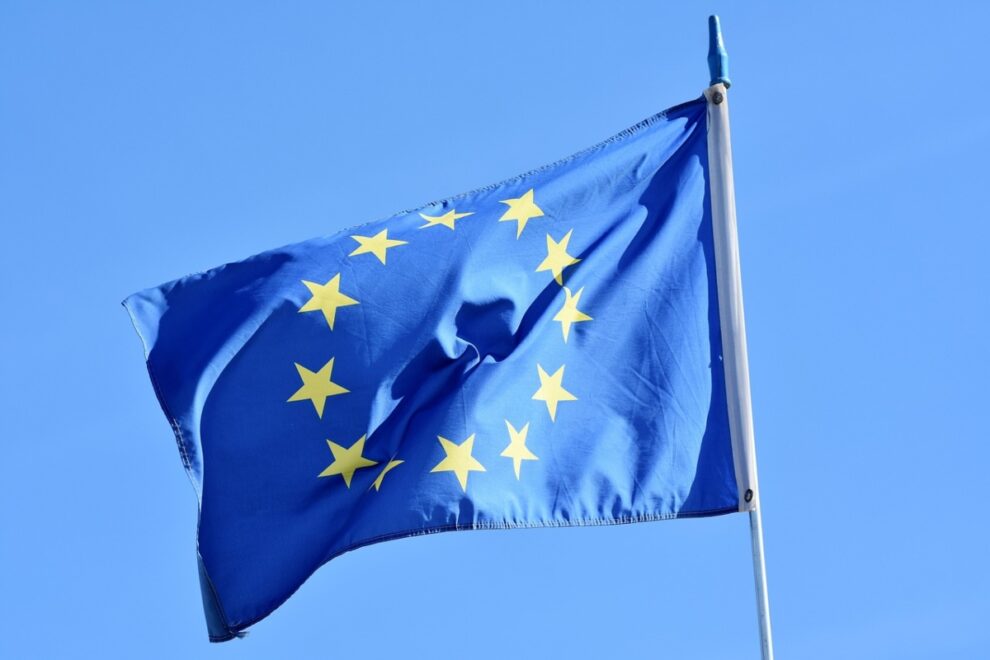
EU chief Ursula von der Leyen proposed Friday a new round of sanctions against Moscow over the Ukraine war, including a ban on providing shipping services for Russian crude oil.
The package, meant to be approved for the fourth anniversary of Moscow’s invasion on February 24, also targets Russian banks, cryptocurrency traders and metal exports.
The latest EU moves against the Kremlin come as the United States has been mediating talks between Russia and Ukraine to stop the fighting.
“We must be clear-eyed: Russia will only come to the table with genuine intent if it is pressured to do so,” von der Leyen said.
“This is the only language Russia understands. That is why we are stepping up today.”
The prohibition of maritime services such as insurance and port access for Russian crude oil exports is the latest effort by Brussels to squeeze Moscow’s key energy revenues.
Von der Leyen said the EU would look to enact the ban in coordination with “likeminded partners” after a decision of the G7 global powers.
In addition, Brussels is seeking to tighten controls on the “shadow fleet” of tankers Moscow uses to dodge oil export restrictions, and vessels carrying liquefied natural gas.
The bloc is also seeking to blacklist 20 more Russian banks and eyeing measures against cryptocurrency traders to try to “close an avenue for circumvention”.
Russian exports of metals, chemicals and critical materials worth around 570 million euros ($670 million) a year are also set to be added to a banned list.
The EU has so far adopted 19 rounds of unprecedented sanctions on Moscow since its tanks rolled over the Ukraine border in February 2022.
While Russia’s economy has largely weathered the onslaught, EU officials insist that problems are mounting.
The EU is looking to clamp down on the circumvention of sanctions that sees key technologies used on the battlefield continue to flow to Russia through third countries.
Officials told AFP the EU was looking to stop sales of certain machinery to Kyrgyzstan to prevent it from being transferred to Russia.
It would be the first time the bloc has used a mechanism to halt entire categories of exports to a specific country.
The sanctions have to be agreed by the EU’s 27 member states to come into force, and will be presented for initial discussion in Brussels on Monday.

Add Comment