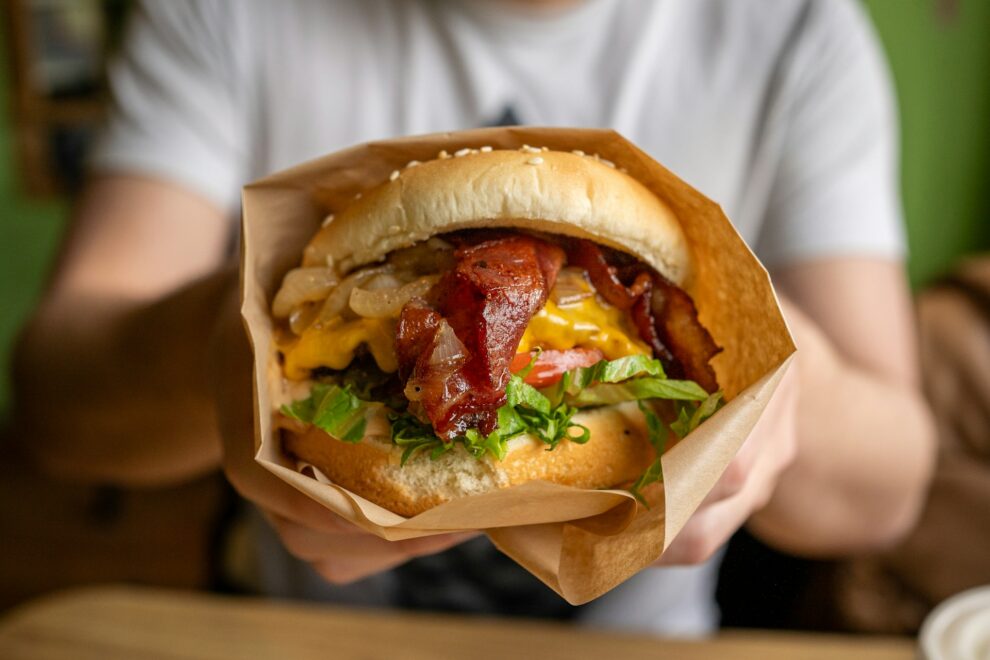
EU member states and lawmakers agreed Thursday to ban using meat-related terms such as “steak” and “bacon” to market plant-based foods — but spared veggie “burgers” and “sausage”.
The decision marks a win for Europe’s livestock farmers, many of whom argue that plant-based foods which mimic meat are potentially misleading for consumers, threatening their already troubled sector.
“This agreement represents a meaningful step towards fairer and more resilient agricultural markets,” said Maria Panayiotou, agriculture minister of Cyprus, which holds the EU’s rotating presidency.
The ban was agreed as part of a broad-ranging package of new measures to protect farmers, after months of wrangling, with critics questioning its usefulness.
Food retailers in Germany, Europe’s largest market for plant-based alternative products, had spoken out against it, along with environmentalists and consumer advocates.
Representatives for the EU’s 27 member states and the European Parliament decided to move ahead Thursday, after lawmakers endorsed the ban in October — but with some exceptions.
“Burger” and “sausage” survived the chop, as did “escalope”.
“Veal”, “pork”, “chicken”, “turkey”, “duck” and “lamb” were less lucky — as well as the generic label “meat”.
The full list of banned terms also included “beef”, “poultry”, “goose”, “mutton”, “ovine”, “goat”, “drumstick”, “tenderloin”, “sirloin”, “flank”, “loin”, “steak”, “ribs”, “shoulder”, “shank”, “chop”, “wing”, “breast”, “liver”, “thigh”, “brisket”, “ribeye”, “T-bone” and “rump”.
Add Comment