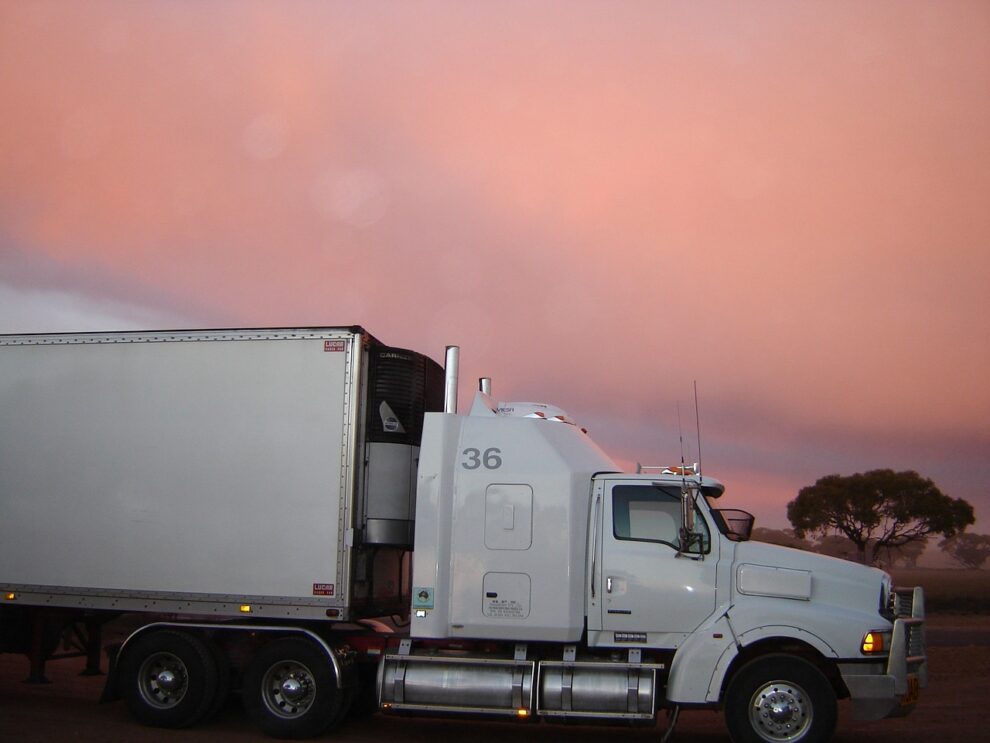
Truck accidents in Queens often involve more than damaged vehicles and medical bills. They also trigger a web of state and federal trucking rules that determine who is responsible and what compensation may be available. Trucking regulations complicate injury claims because they create multiple layers of responsibility between the driver, the trucking company, and their insurers. A single violation, such as driving past legal limits or skipping maintenance checks, can shift fault in ways that ordinary car crash cases do not.
Each regulation matters. New York’s size and weight limits, federal safety standards, and hours-of-service laws all exist to protect the public, yet they also shape how liability is proven. For accident victims in Queens, understanding these laws can help make sense of how the investigation and insurance process unfold. These rules control everything from driver fatigue to cargo weight, creating detailed evidence that lawyers and insurers use to argue who should pay for injuries.
A truck accident claim rarely follows a simple path because so many parties share responsibility. The upcoming sections will explain which trucking rules most often influence Queens injury claims and how those rules impact the outcome of insurance negotiations and lawsuits.
Key Trucking Regulations That Complicate Injury Claims
Federal trucking rules create complex obstacles in injury claims. Licensing, driver fatigue, and vehicle maintenance requirements each affect how responsibility is proven after a truck accident in Queens. Even a small mistake in these areas can influence how fault and damages are determined.
Commercial Driver’s License and Training Rules
Truck drivers must hold a valid Commercial Driver’s License (CDL) and meet training standards that cover safe operation, cargo handling, and vehicle inspection. These requirements aim to confirm that drivers understand how to control large commercial trucks under difficult conditions.
If a driver lacks proper certification or training, liability may shift to the employer that allowed the driver on the road. Many claims rely on evidence such as driver qualification files, training logs, and driving history.
Injury cases handled by Davidoff Law, truck accident lawyers in Queens, often involve reviewing whether the driver’s background included violations or training gaps. These details help clarify if the trucking company ignored required hiring checks or supervision duties. Proof of such neglect can strengthen a claim and increase potential compensation.
Hours of Service Standards and Driver Fatigue
Federal Hours of Service (HOS) standards restrict how long drivers can operate before rest. These rules aim to reduce fatigue-related accidents by limiting driving hours per day and requiring specific sleep periods.
Driver fatigue still leads to many crashes, often because logbooks or electronic records show skipped rest breaks. Attorneys carefully compare trip times, fuel receipts, and dispatch reports to identify hidden violations. That evidence can reveal negligence by both the driver and the carrier.
Violating rest limits may prove that a company’s delivery deadlines created unsafe conditions. This can increase the settlement value since it points to disregard for public safety. Effective legal analysis connects these violations to the timing and cause of the accident.
Inspection, Maintenance, and Record-Keeping Requirements
Trucking companies must regularly inspect and maintain their vehicles to keep them safe for highway use. Brakes, tires, lights, and steering systems all require consistent checks and prompt repairs documented through safety reports.
Poor maintenance often leads to brake failures or tire blowouts that cause severe collisions. Records and inspection logs provide key evidence during investigations. Missing or incomplete paperwork can suggest that the company neglected its legal duty.
Attorneys look for maintenance gaps that align with mechanical failures from the crash scene. Proving that skipped inspections or ignored repairs contributed to the accident helps connect mechanical fault directly to company negligence. This evidence plays an important part in building a stronger claim for an injured victim.
How Trucking Rules Impact Liability and Compensation in Queens
Federal and New York State trucking rules shape how fault, evidence, and damages are decided after a crash in Queens. These laws often involve several parties, from the driver to the company that owns or maintains the truck, which can complicate personal injury claims and compensation.
Establishing Fault Among Multiple Parties
Truck accident cases often involve several potential defendants. A single crash may point to errors by the driver, improper maintenance by the company, or product defects by a manufacturer. Each of these parties may share a portion of the responsibility for injuries and losses.
Determining who holds liability requires careful investigation. Attorneys often review black box data, GPS logs, and driver hour records to trace violations of federal limits on driving time or rest breaks. This data helps identify whether fatigue or regulation violations contributed to the crash.
A truck accident attorney can help connect the evidence to specific breaches by the driver or company policies. For instance, if a company forced a driver to stay on the road too long, that company might be directly at fault. This shared liability means victims must often pursue compensation from multiple insurance carriers to recover full damages for pain and suffering or lost income.
Role of Regulatory Violations in Personal Injury Claims
Federal Motor Carrier Safety Regulations control how trucks operate and how companies manage drivers. If a company fails to follow these standards, such as neglecting maintenance schedules or hiring unsafe drivers, the violation strengthens the injury claim.
A regulatory breach not only helps establish negligence but can also affect the value of compensation. Courts often view these violations as evidence of careless behavior that led to injury. For example, if a truck’s brakes failed due to skipped inspections, that failure can directly tie to the company’s responsibility.
In Queens, lawyers often rely on inspection records, logbooks, and drug or alcohol test results to show misconduct. Each piece of documentation builds a factual link between safety rule violations and the victim’s injuries. This connection helps prove fault and supports claims for higher settlements covering medical expenses and ongoing treatment needs.
Common Injuries and Damages in Truck Accidents
Truck collisions in Queens often cause severe harm due to the size and force of these vehicles. Victims may suffer spinal cord injuries, broken bones, or traumatic brain injuries that require long recovery periods or permanent care.
The damages in a personal injury claim usually include medical expenses, rehabilitation costs, lost income, and compensation for pain and suffering. In some cases, victims may also seek payment for adaptive housing or ongoing therapy if their injuries limit daily activities.
Lawyers handling truck accident cases often gather doctor reports, treatment records, and financial documents to calculate total losses. Because of the high cost of long-term medical care and lost earnings, proper evaluation of each injury type plays a major part in reaching fair compensation after a truck crash in Queens.
Conclusion
Trucking regulations shape how accident claims unfold in Queens, NY. They influence who may be liable, what evidence matters, and how damages are calculated. Each rule—such as those controlling driver hours or vehicle safety—creates more steps that lawyers and insurers must review before resolving a case.
Because commercial trucks operate under both state and federal rules, each claim can involve several investigations at once. Records like driver logs, inspection results, and maintenance reports often decide outcomes, but they also slow the process.
These added layers of regulation make truck accident claims more demanding than standard car accidents. Understanding how these laws interact with insurance and liability helps victims prepare for longer timelines and more complex discussions about fault and compensation.

Add Comment