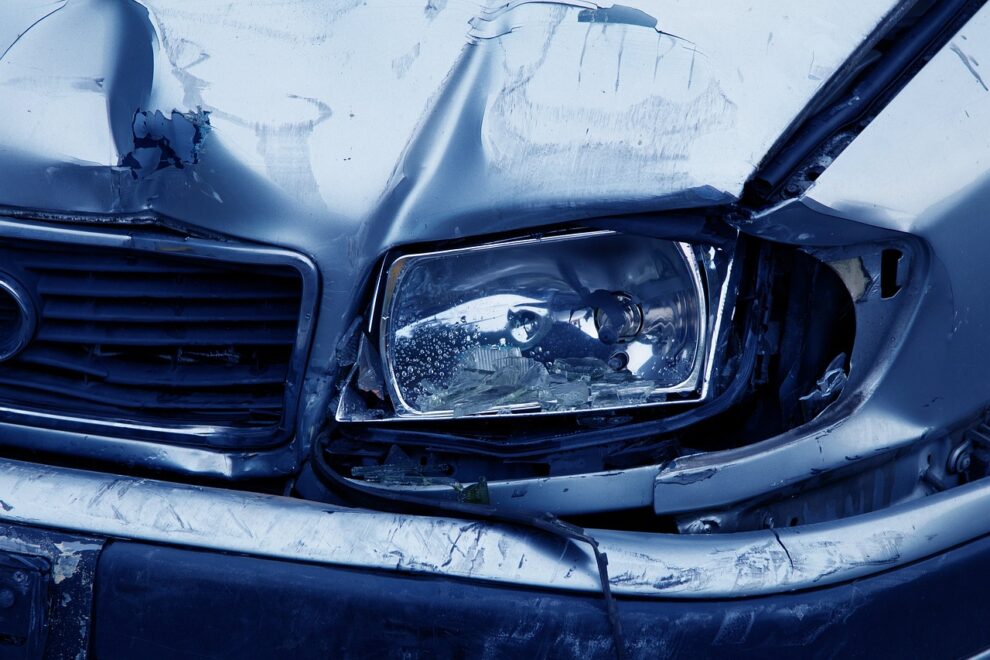
Traffic laws and road conditions shape how liability works after a crash in Utah. Each rule, from speed limits to safe following distance, helps determine who bears responsibility for an accident. Liability often depends on whether a driver followed Utah’s traffic laws and how the road’s condition contributed to the collision. Understanding this relationship can help anyone involved in a crash know what to expect during an insurance claim or legal process.
Utah’s roads vary from icy mountain passes to crowded city streets, and small details can affect how fault is assigned. Poor weather or damaged pavement may limit control, yet drivers still must adjust their behavior to drive safely. Therefore, both human decisions and road conditions matter when determining negligence.
In the sections below, the article explains how specific Utah traffic laws influence car accident liability and how external factors such as weather or road maintenance affect fault. By learning how these elements connect, drivers can better protect themselves and handle the aftermath of a collision more confidently.
Key Utah Traffic Laws Affecting Car Accident Liability
Utah’s legal framework for car accidents includes a no-fault insurance system, a serious injury threshold, and a modified comparative fault rule. These laws define who must pay for damages and how driver responsibility affects compensation after a crash. Traffic violations can also influence liability by serving as evidence of negligence.
No-Fault Insurance and Personal Injury Protection (PIP)
Utah uses a no-fault insurance system, which means each driver’s own insurance covers initial losses regardless of fault. Personal Injury Protection (PIP) benefits pay for medical bills, limited lost wages, and certain household expenses. The current minimum coverage includes $3,000 for medical costs per person and partial reimbursement for lost income.
PIP coverage helps accident victims access treatment quickly without waiting for a liability decision. However, it limits the ability to recover damages for pain or emotional distress unless certain conditions are met. If you’re an accident victim, you can speak with a Utah car accident attorney to handle your case to determine if you can pursue compensation beyond PIP coverage.
Because no-fault laws streamline basic claims, they also reduce smaller lawsuits. Still, they do not eliminate fault-based claims in more severe cases, especially those involving permanent injury or major expenses.
Serious Injury Threshold and Third-Party Claims
Utah law allows drivers to pursue claims against an at-fault motorist if their injuries exceed the serious injury threshold. To meet this threshold, medical bills must reach at least $3,000, or the victim must suffer permanent disability, disfigurement, or loss of a body part.
Crossing this line permits a third-party claim for non-economic damages such as pain, suffering, or loss of enjoyment of life. These damages can greatly exceed PIP benefits, but proving eligibility requires careful documentation of injuries and expenses. A detailed medical record becomes key evidence.
Understanding how to navigate this process often requires legal experience. Victims who meet Utah’s injury threshold can work with an attorney to calculate fair compensation and gather the necessary evidence to support their case. This step helps protect long-term financial recovery after a crash.
Modified Comparative Fault and the 50% Bar Rule
Utah follows a modified comparative fault rule, often called the 50% bar rule. Under this rule, a person can collect damages only if they are less than 50% responsible for the crash. Any compensation they receive is reduced by their percentage of fault.
For example, a driver found 30% at fault for a $100,000 loss could recover $70,000 after the reduction. If fault rises to 50% or more, the claimant recovers nothing. This system encourages fair outcomes by matching financial responsibility to each driver’s share of blame.
Insurance companies and courts use police reports, witness statements, and traffic data to assign fault percentages. Because these judgments directly affect compensation, accident victims benefit from timely evidence collection and clear communication with their insurers or legal advisers.
Traffic Law Violations as Evidence of Negligence
Traffic violations, such as speeding, following too closely, or ignoring signals, can strongly influence liability decisions. Violating Utah’s traffic code often provides evidence that a driver acted negligently, and this information can be used in both civil and insurance claims.
Courts and insurers treat a violation as a sign that the driver failed to exercise reasonable care under the law. However, a citation alone does not always prove fault. The specific circumstances of the crash still determine liability.
In many cases, attorneys use official reports and physical evidence to show how a violation contributed to an accident. Proving this connection helps establish negligence and can increase the injured party’s chance of recovering full compensation for their losses.
Impact of Road Conditions and External Factors on Liability
Road maintenance, weather, and witness evidence often decide how fault is assigned after a Utah car accident. Poor road design or neglected repairs can shift some or all responsibility away from a driver and toward another party, while accurate reports and legal guidance help clarify who bears liability.
How Weather and Road Hazards Influence Fault Determination
Utah’s climate creates sudden hazards such as snow, ice, and heavy rain that affect how drivers control their vehicles. A driver may be partly liable if they fail to slow down on slick pavement, yet a government entity could share liability if the road lacked proper drainage or barriers.
Common hazards include potholes, uneven pavement, faded lane markings, and missing signs. Each factor can cause or worsen a crash. A Utah car accident lawyer often investigates these physical conditions and compares them to maintenance records to decide whether a public agency or contractor neglected proper upkeep.
Evidence such as photographs, traffic camera footage, and road inspection reports helps prove that unsafe conditions contributed to the incident. Therefore, fault may depend not only on driver behavior but also on how well public officials maintained the roadway.
Role of Police Reports and Eyewitnesses
Police reports give an unbiased record of the crash scene. Officers note skid marks, weather, lighting, and any evidence of impaired driving. These reports often influence insurance decisions and court findings about who caused the accident.
Eyewitnesses also add perspective. They may describe how traffic signals functioned, whether a vehicle swerved to avoid debris, or if another driver followed too closely. A Utah car accident attorney uses these statements to cross-check information and challenge incomplete police conclusions.
Together, these accounts help build a clearer picture of events. A consistent pattern among witnesses often carries weight during settlement talks or court review, especially if physical evidence supports their observations.
The Importance of Legal Representation in Complex Cases
Determining liability becomes complicated when multiple parties share blame. A Utah car accident attorney evaluates which factors—weather, maintenance, or driver error—played a greater role. They often consult accident reconstruction experts and review maintenance logs or government correspondence.
Government agencies generally hold limited legal immunity, but exceptions exist if neglect rises to gross negligence. An attorney helps identify these exceptions, file within strict deadlines, and gather admissible proof.
Strong representation allows an injured driver to navigate conflicting claims and avoid procedural mistakes. Legal professionals also manage communication with insurers, which helps preserve the claimant’s rights and strengthen the case for fair compensation.
Conclusion
Utah traffic laws set clear rules that affect how fault is decided in car accident cases. A driver who breaks a safety rule, such as following too closely, may face evidence of negligence under state law. Courts often use these statutes to assess responsibility based on how well each driver followed traffic requirements.
Road conditions also influence liability. Poor weather, debris, or damaged pavement can affect how both drivers and investigators interpret fault. If hazards play a role, liability may shift based on how a driver responded to those conditions and whether the response aligned with reasonable care.
Together, traffic laws and road conditions shape the fairness of accident claims. They help determine fault levels, support compensation for injured parties, and guide safer driving behavior across Utah.

Add Comment