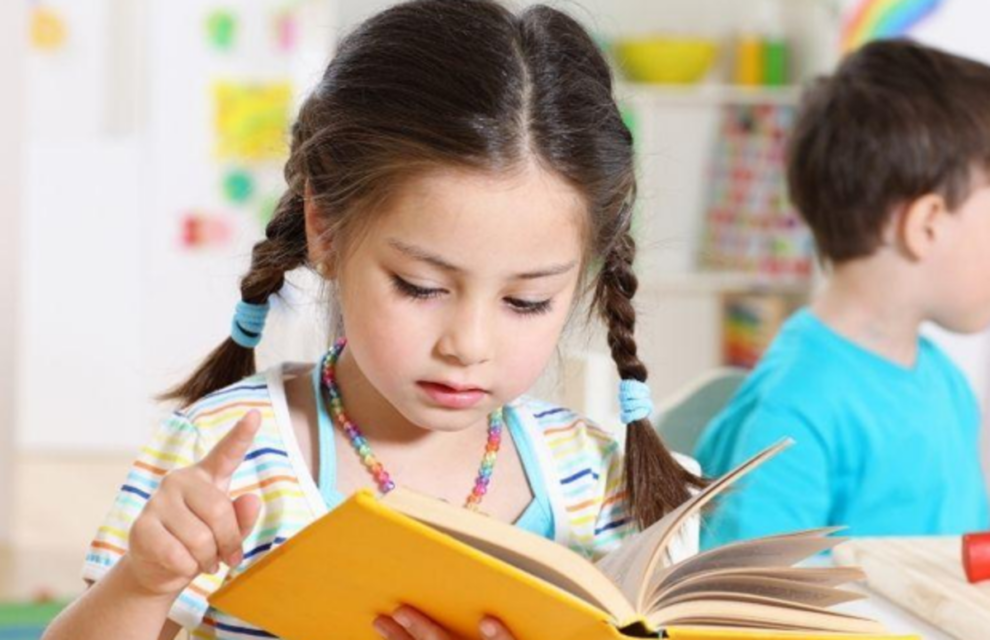
Children today are growing up in a world defined by constant connectivity, rapid innovation, and unlimited access to information. Screens dominate daily life, from tablets in classrooms to smartphones at home. While technology offers convenience and instant knowledge, it also raises an important question: how are children developing the critical thinking skills they need to navigate this complex environment?
Amid this digital transformation, children’s books remain a powerful and relevant tool. Far from becoming obsolete, modern children’s literature has evolved to meet the demands of a new generation. Today’s books are not only entertaining but also designed to encourage curiosity, independent thinking, and a deeper understanding of real-world concepts.
Why Books Still Matter In A Screen-First World
Despite the rise of digital media, books provide a unique experience that screens cannot fully replicate. Reading requires focus, imagination, and active engagement. Unlike passive scrolling or video consumption, books ask children to think, visualize, and interpret information on their own.
Modern children’s books go even further by incorporating themes that reflect the realities of today’s world. Topics such as entrepreneurship, financial literacy, personal responsibility, and innovation are increasingly common. These subjects help children develop practical knowledge while also fostering a mindset of problem-solving and self-reliance.
In a digital age filled with distractions, books offer a structured way for children to slow down and engage deeply with ideas.
The Rise Of Idea-Driven Storytelling
One of the most significant shifts in children’s literature is the move toward idea-driven storytelling. Rather than focusing solely on fantasy or simple moral lessons, many modern books introduce complex concepts in accessible ways.
Stories now explore how economies work, why freedom matters, and how individuals can make meaningful choices. These themes are presented through engaging narratives that make learning feel natural rather than forced.
This approach helps children build a foundation for critical thinking at an early age. By encountering big ideas in story form, young readers begin to ask questions, form opinions, and connect concepts to real-life situations.
Encouraging Critical Thinking From A Young Age
Critical thinking is one of the most valuable skills a child can develop. In a world where information is abundant but not always accurate, the ability to analyze, question, and evaluate ideas is essential.
Modern children’s books play a key role in nurturing this skill. They often present scenarios where characters face decisions, solve problems, or challenge assumptions. These moments encourage readers to think beyond the surface and consider different perspectives.
Parents and educators are also using books as conversation starters. After reading, children can discuss what they learned, share their thoughts, and explore alternative viewpoints. This interactive process strengthens comprehension and helps children develop confidence in their own ideas.
Bridging The Gap Between Education And Real Life
Traditional education systems sometimes struggle to connect classroom learning with real-world application. Children may learn facts and theories, but lack an understanding of how those concepts apply outside of school.
Modern children’s books help bridge this gap by presenting information in relatable contexts. Stories often feature everyday situations, allowing children to see how ideas play out in realistic scenarios.
For example, books that introduce basic economic principles might show characters making choices about saving, spending, or trading. These narratives make abstract concepts more tangible and easier to understand.
Some resources, including titles from The Tuttle Twins, are designed to introduce foundational ideas such as personal responsibility and economic thinking in engaging, age-appropriate ways.
Supporting Independent Learning At Home
The growing interest in homeschooling and alternative education models has also contributed to the evolution of children’s books. Families are increasingly seeking resources that support independent learning and encourage children to explore topics at their own pace.
Modern books often include discussion questions, activities, and prompts that extend learning beyond the page. This makes them valuable tools for parents who want to take a more active role in their child’s education.
Even for families within traditional school systems, these books provide an opportunity to supplement classroom learning. They allow children to dive deeper into subjects that interest them and develop a love for learning outside of formal settings.
Adapting To The Digital Generation
Today’s children are digital natives, and modern books are adapting accordingly. While the core experience of reading remains unchanged, many books now integrate elements that resonate with tech-savvy audiences.
This includes visually engaging layouts, relatable characters, and themes that reflect contemporary life. Some books also exist in multiple formats, including print, e-books, and audiobooks, giving families flexibility in how they access content.
Importantly, these adaptations do not replace traditional reading but enhance it. By meeting children where they are, modern books make it easier to capture attention and maintain interest.
Building A Foundation For Lifelong Learning
The ultimate goal of children’s books is not just to educate but to inspire a lifelong love of learning. When children engage with books that challenge their thinking and spark curiosity, they are more likely to continue seeking knowledge as they grow.
Modern children’s literature plays a crucial role in this process. By introducing meaningful ideas early on, these books help shape how children view the world and their place within it.
They encourage exploration, resilience, and a willingness to question and understand. These qualities are essential not only for academic success but also for navigating the complexities of adult life.
The Future Of Children’s Literature
As technology continues to evolve, so too will children’s books. However, their core purpose will remain the same: to inform, inspire, and empower young minds.
The most impactful books will be those that balance entertainment with substance. They will continue to introduce important ideas in ways that are accessible, engaging, and relevant to modern life.
In a digital age filled with noise, children’s books offer clarity. They provide a space for thoughtful reflection and meaningful learning, helping to shape the next generation of thinkers, innovators, and leaders.
Conclusion
Modern children’s books are more than just stories. They are tools for shaping how young people think, learn, and engage with the world. By combining engaging narratives with meaningful ideas, these books are helping children develop the skills they need to thrive in a rapidly changing environment.
As families and educators look for ways to prepare children for the future, one thing is clear: books remain an essential part of the journey.

Add Comment