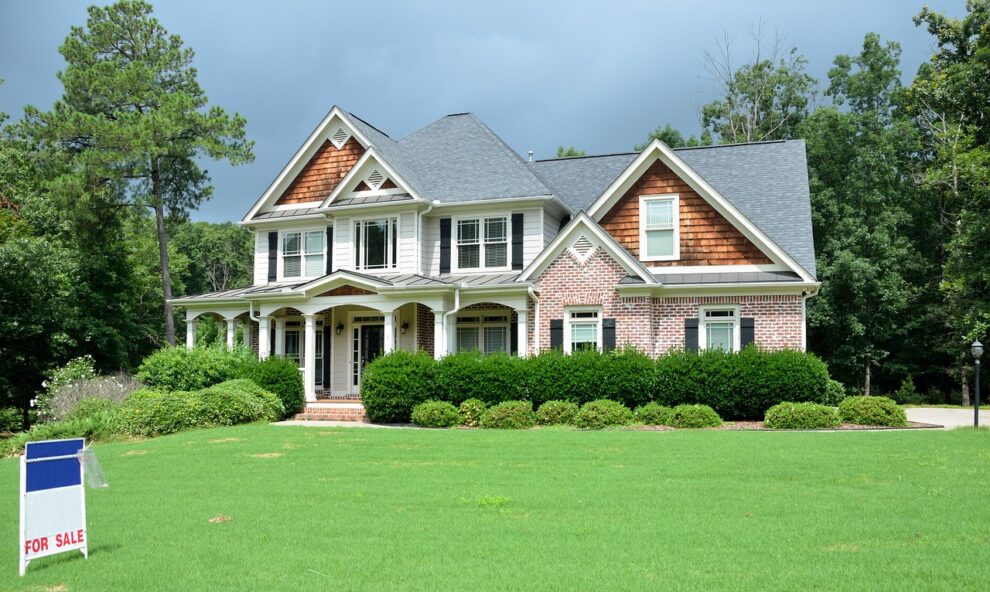
Every year brings a new chance to review how a property is valued for tax purposes. Many owners overlook this moment and simply accept the assessment that arrives in the mail. Yet property values change frequently, and appraisal estimates may not always reflect actual market conditions or property details.
For many homeowners, the annual review becomes a practical opportunity to protest property taxes when something does not look accurate. Instead of treating a protest as a conflict, it helps to view it as a routine review of property data. This article explains how property value comparisons support tax protests and why they play an important role during the appeal process.
Why Property Value Comparisons Matter
Property value comparisons provide a realistic benchmark when evaluating a tax assessment. Appraisal districts estimate property values based on available market data, but those estimates sometimes miss local details or property conditions.
Comparable properties help establish context for the valuation. When similar homes in the same neighborhood show lower assessed values or recent sale prices, that information may suggest the current assessment deserves closer review. Clear comparisons help explain the difference between an estimated value and a realistic market value.
What Makes A Property Comparable
A strong tax protest relies on accurate comparisons between properties with similar characteristics. Appraisal boards look for properties that share key features rather than broad estimates.
Key comparison factors include:
- Property size and square footage
- Age of the structure and renovation history
- Neighborhood location and proximity
- Condition of the property and visible repairs
When these details align, the comparison becomes more useful during a protest review. Comparable data helps demonstrate how market values apply to the property under review.
Steps To Gather Useful Comparison Data
Reliable comparison data requires a bit of research. Property owners can review local property records, real estate listings, and recent sales reports to identify similar homes.
Simple steps that help build strong comparisons:
- Identify nearby properties with a similar size and construction year
- Review recent sales prices or assessed values for those properties.
- Compare property condition, upgrades, and visible differences.
These steps help create a clear picture of how the assessed value compares with nearby properties.
How Professionals Use Comparison Evidence
Some property owners prefer guidance when preparing comparison evidence for a tax protest. Professionals who work with property assessments understand how appraisal districts interpret property data and market trends.
Their approach typically includes reviewing appraisal records, collecting comparable sales information, and organizing evidence for the hearing. This preparation helps present comparison data in a structured format. Clear documentation allows review boards to evaluate the valuation more effectively.
Common Mistakes When Using Comparable Properties
Comparison data can strengthen a tax protest, but inaccurate comparisons weaken the argument. Some property owners choose properties that differ significantly in size, location, or condition.
Typical mistakes include:
- Comparing properties from different neighborhoods
- Using homes with major upgrades as comparisons
- Ignoring significant size or land differences
Accurate comparisons help ensure the protest remains focused on realistic market evidence.
Why Comparison Data Strengthens A Tax Protest
Comparison data helps translate market activity into evidence that appraisal boards can evaluate. Instead of relying on general statements about property value, owners can point to nearby properties that support the claim.
Clear property comparisons provide context for the assessment and help demonstrate why the valuation may require adjustment. When comparable properties reflect lower values, the information becomes a useful reference during review discussions.
Property value comparisons give property owners a practical way to review assessments each year. Many successful appeals rely on clear comparisons between similar homes and their recorded market activity. When owners review local data and prepare accurate comparisons, the annual opportunity to protest property taxes becomes a structured process rather than a confusing one. Careful research and organized evidence can help explain how property values align with the local market.

Add Comment