
Seasonal celebrations have long influenced consumer spending, but in recent years their economic impact has become more visible. From national holidays to cultural festivals and personal milestones, celebrations are increasingly shaping how and when people shop. What was once limited to local stores and last-minute purchases has expanded into a year-round market supported by e-commerce, specialty retailers, and digital discovery.
For businesses and analysts, this shift highlights a broader consumer trend: people are investing more in experiences and meaningful moments. That often translates into spending on décor, food, entertainment, and event-related products that elevate celebrations beyond the ordinary.
Celebrations as Economic Drivers
Major holidays such as Independence Day, New Year’s Eve, Diwali, Lunar New Year, and Bonfire Night have always generated retail spikes. What’s changed is the scale and accessibility of related products. Consumers now have access to global marketplaces, next-day delivery, and targeted advertising that surfaces celebration-related items months in advance.
Retailers no longer rely solely on foot traffic. Online platforms allow them to reach customers planning events early. This has helped transform seasonal retail into a more predictable and extended sales cycle rather than a short burst of demand.
Industry analysts often note that celebration-driven spending tends to remain resilient even during uncertain economic periods. While consumers may cut back on luxury purchases, many still allocate budgets for social and family gatherings. These moments are tied to tradition, connection, and emotional value, which makes them less likely to be postponed.
The Role of E-Commerce in Celebration Planning
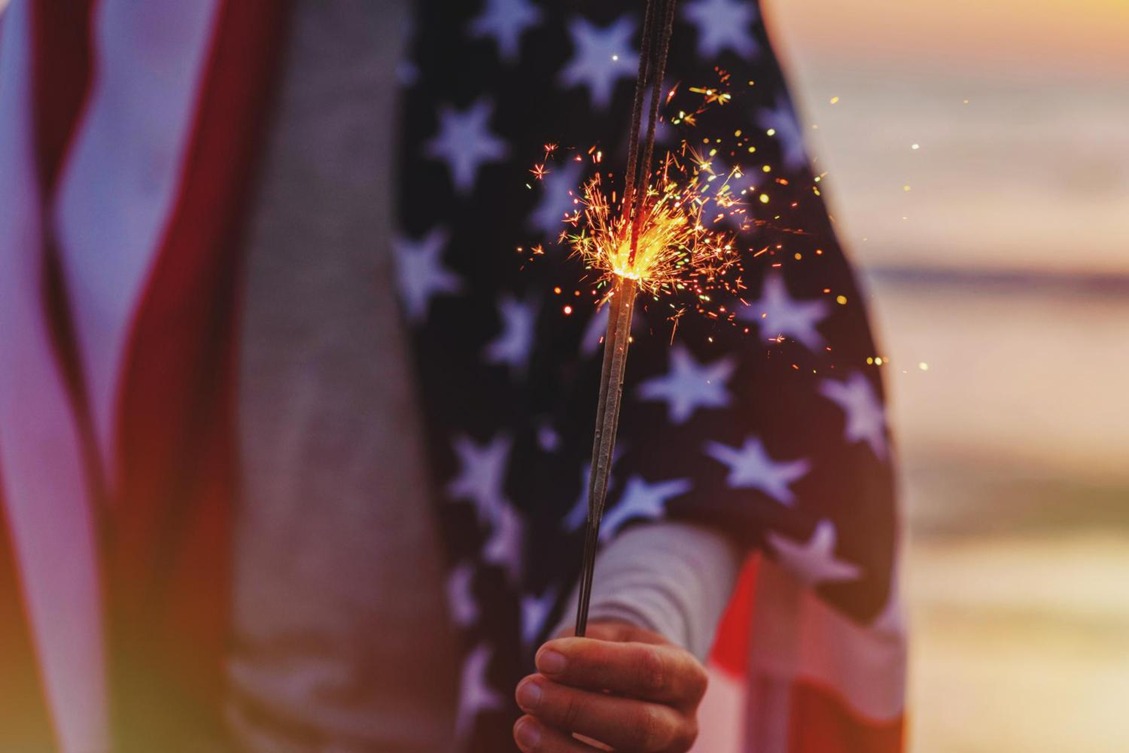
Digital platforms have changed how people prepare for events. Instead of visiting multiple stores, consumers can compare products, read reviews, and plan purchases from home. Social media also plays a role by showcasing new ideas and trends, from themed decorations to coordinated event aesthetics.
This visibility fuels demand. When consumers see how others celebrate, they often adopt similar ideas or look for ways to personalise their own gatherings. Retailers benefit from this inspiration cycle, especially those offering specialised products.
As interest in seasonal celebrations grows, many consumers choose to browse specialty retailers online, often opting to check Red Apple store for a wide selection of fireworks and event-related products. Specialty platforms like these illustrate how niche retailers can thrive by focusing on specific celebration needs rather than general merchandise.
Experience Over Possessions
Another factor driving growth is the shift toward experiential spending. Surveys consistently show that many consumers value experiences and shared memories more than material goods. Celebrations offer a natural outlet for this preference.
Spending on events often includes items that enhance atmosphere: lighting, decorations, entertainment, and food. Even modest gatherings may involve curated elements that reflect personal style or cultural traditions.
This doesn’t necessarily mean higher spending across the board. Instead, it reflects more intentional purchasing. Consumers may buy fewer items overall but select ones that contribute to a memorable experience.
Small Businesses and Niche Retailers Benefit
The celebration economy also supports small and niche businesses. Specialty retailers, local artisans, and event-focused brands often see seasonal boosts. Online marketplaces have levelled the playing field, allowing smaller sellers to reach broader audiences.
For example, retailers specialising in decorations, party supplies, or fireworks can operate successfully without being general retailers. By understanding their audience and timing promotions around key dates, they capture demand effectively.
This targeted approach contrasts with big-box retail, where celebration products are just one category among many.
Planning Culture and Early Shopping
Another noticeable trend is earlier planning. Consumers increasingly prepare for holidays and events weeks or months in advance. This is partly driven by online content, where planning guides and inspiration posts appear well before the date itself.
Early planning benefits retailers by spreading demand over a longer period. It also allows consumers to budget more effectively rather than making impulse purchases.
Financial advisors sometimes point out that celebration spending feels more manageable when planned. Setting aside small amounts over time can prevent overspending while still allowing for meaningful events.
Cultural Diversity Expands the Market
Globalisation and multicultural societies have broadened the range of celebrations observed in many countries. Retailers now cater to diverse holidays and traditions, expanding their potential markets. This diversity reduces reliance on a single peak season. Instead of focusing only on year-end holidays, retailers can serve multiple celebration periods throughout the year.
Market analysts have observed this shift in retail strategy. For example, research from McKinsey & Company has highlighted how increasingly multicultural consumer bases are pushing retailers to localise product offerings and marketing calendars around a wider mix of cultural moments and festivities. In practice, that means businesses that recognise and plan for diverse celebrations can smooth revenue across the year rather than depending on one or two major holiday spikes.
The Outlook for Celebration Retail
Looking ahead, analysts expect celebration-driven retail to remain strong. As long as people value shared experiences and traditions, demand for event-related products will continue.
Technology may further shape this space through augmented reality previews, personalised recommendations, and faster logistics. But the underlying motivation remains human: marking time, connecting with others, and creating memories.
Seasonal celebrations are more than cultural rituals; they are economic forces influencing retail trends and consumer behaviour. The growth of specialty and online retail shows how adaptable this market has become.
While spending habits fluctuate, the desire to celebrate remains consistent. For retailers and consumers alike, the modern celebration economy reflects a blend of tradition, technology, and personal expression.
And as long as people continue to gather for meaningful moments, businesses that support those occasions will likely find a place in the market.

Add Comment