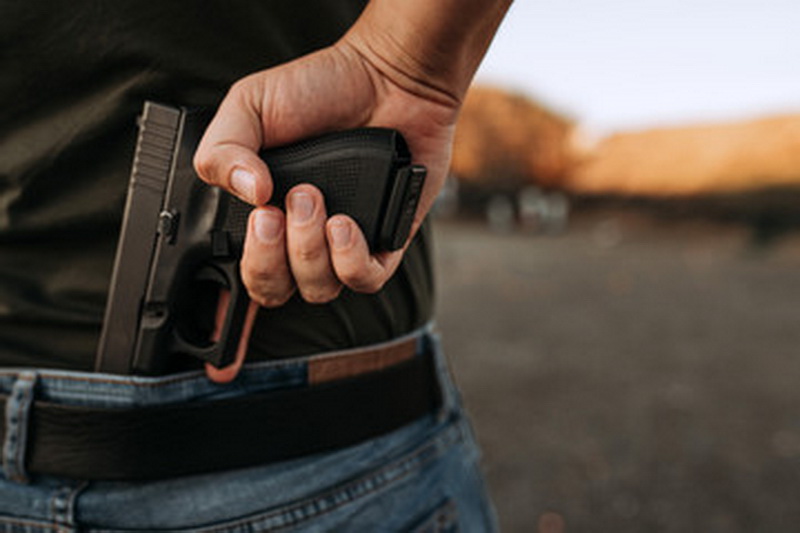
Yes, in most cases, it is illegal for a convicted felon to own or possess a gun. Both federal and state laws place strict limits on firearm access after a felony conviction. These rules are meant to protect public safety, but they can also be confusing and, at times, unexpectedly harsh.
Under federal law, the possession of a firearm by a convicted felon is generally prohibited, even long after a sentence has been served. However, the details can vary depending on the type of conviction, the state involved, and whether any rights have been restored. This is where guidance from a criminal defense lawyer becomes especially important.
Understanding Federal Gun Laws for Convicted Felons
Federal law, specifically 18 U.S. Code § 922(g), makes it unlawful for a convicted felon to possess a firearm or ammunition. This applies regardless of whether the gun is owned, borrowed, or simply held for a short time.
A person may be considered in violation even if:
- The firearm belongs to someone else
- The gun is kept at home for protection
- The firearm is not loaded
Intent does not always matter. Simply having access or control can be enough.
How State Laws Can Add More Restrictions
State laws often add another layer of complexity. Some states mirror federal rules, while others impose even stricter standards. A few states allow limited firearm rights restoration under specific conditions.
Common state-level differences include:
- Waiting periods after sentence completion
- Automatic bans for violent felonies
- Separate rules for antique or hunting firearms
Since state statutes vary widely, relying on general advice can be risky.
Are There Any Exceptions or Restored Rights?
In limited situations, a convicted felon may regain firearm rights. This is not automatic and usually requires formal legal action.
Possible pathways may include:
- Expungement or record sealing
- Pardon or clemency from the governor or president
- Reduction of felony to a misdemeanor, where allowed
Each option has strict requirements, and not all convictions qualify.
What Counts as “Possession” of a Firearm?

Many people assume possession means owning a gun, but the law defines it much more broadly. Possession of a firearm can be actual or constructive, meaning the law does not only look at who is physically holding the gun.
Examples that can still lead to charges:
- A firearm in a shared vehicle
- A gun stored in a home you live in
- Access to a weapon through a friend or family member
Even indirect control may be enough to trigger serious criminal penalties.
Consequences of Violating Gun Possession Laws
The penalties for a convicted felon caught with a firearm can be severe. These charges are often felonies themselves and carry long-term consequences.
Potential outcomes include:
- Significant prison time
- Heavy fines
- Extended probation or parole
- Permanent damage to future legal options
A single mistake can undo years of progress after a conviction.
Why a Criminal Defense Lawyer Matters
Firearm cases involving a convicted felon are rarely straightforward. Prosecutors often rely on technical definitions of possession and intent, which can be challenged.
A skilled criminal defense lawyer can:
- Review whether the search or seizure was lawful
- Examine if possession can actually be proven
- Explore rights restoration or defense strategies
Early legal guidance can make a meaningful difference in the outcome.
Final Key Takeaways
- Most convicted felons are legally barred from owning or possessing firearms.
- Federal and state laws both apply, and violations carry serious penalties.
- “Possession” can include indirect access, not just ownership.
- Limited exceptions exist, but they require formal legal action.
- Speaking with a criminal defense lawyer is critical before making assumptions.
Understanding these laws is crucial, particularly for individuals seeking to move forward responsibly after a felony conviction.

Add Comment