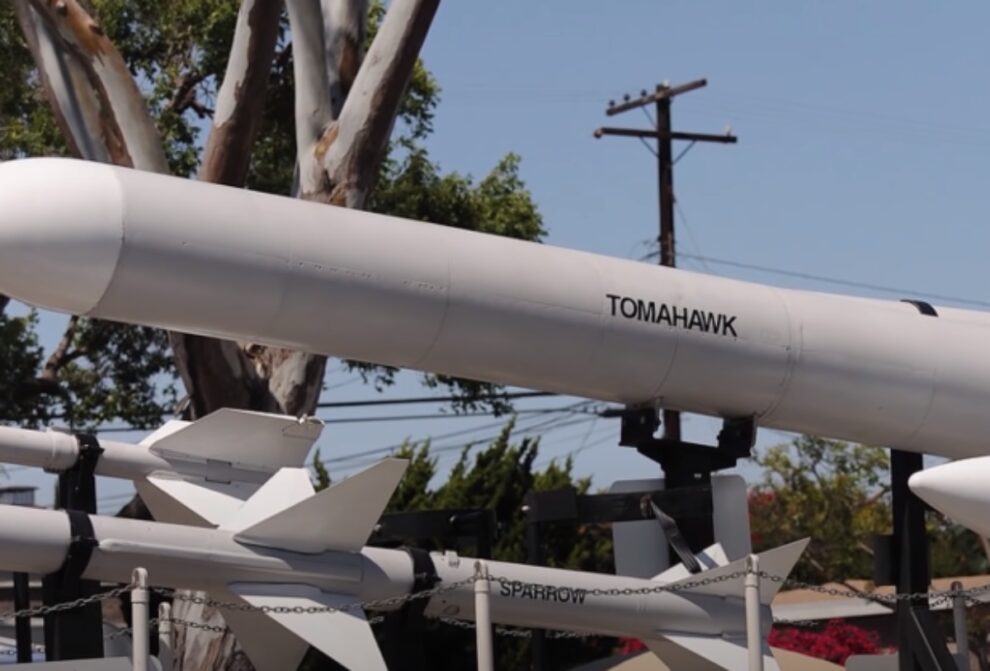
Japan is looking into buying US-developed Tomahawk cruise missiles as it seeks to counter growing regional threats, including from North Korea, the government said Friday.
The purchase would likely be controversial in a nation whose military is not officially recognized under its post-World War II constitution.
The Yomiuri Shimbun daily reported that Tokyo was in the final stages of discussions with the US government over purchasing the medium-range missiles, which are launched from the sea.
The Korean Peninsula would be within range of the missiles, depending on the launch area, the newspaper said, citing unidentified government sources.
Other Japanese media also said the government was considering the Tomahawk missile purchase.
Asked about the reports, top government spokesman Hirokazu Matsuno said ministers were “studying” the possibility but nothing had been decided.
Hours after Matsuno’s comments, North Korea fired another “unspecified ballistic missile,” Seoul’s military said.
The vice foreign ministers of Japan, South Korea, and the United States warned earlier this week that a North Korean nuclear test would meet an “unprecedentedly strong response” after a blitz of missile launches from the isolated state.
Japan’s defense spending has risen almost every year over the past decade but pressure has grown for greater funding following the Russian invasion of Ukraine and China’s growing pressure on Taiwan.
It is expected to declare the possession of “counterattack capability” when the government updates a key long-term security guideline by the end of the year.

Add Comment