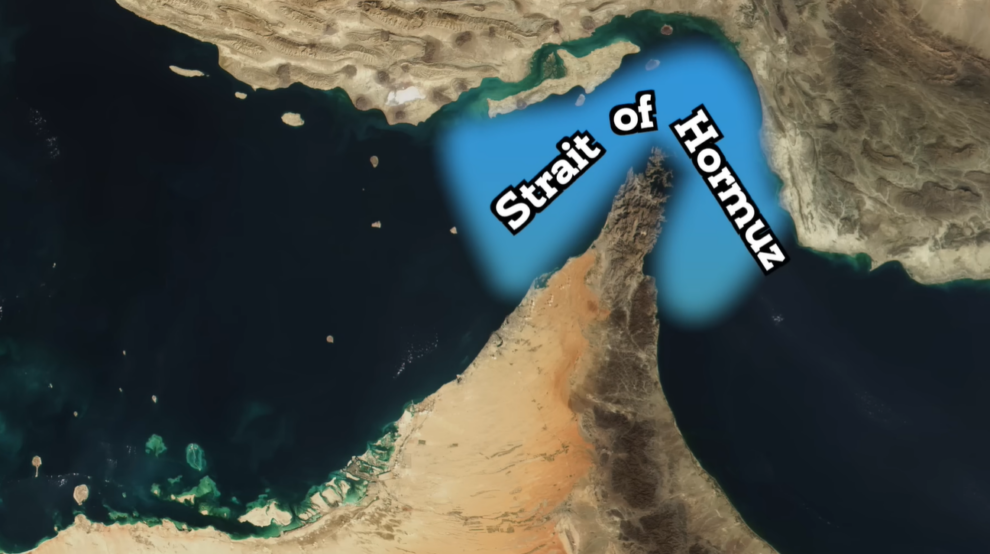
Sixty percent of commodity-bearing ships crossing the Strait of Hormuz since the start of the Middle East war have either come from Iran or were heading there, an AFP analysis of maritime data showed.
Iran has placed a stranglehold on the key shipping lane, cutting off global fuel supplies and roiling energy markets, in retaliation for US-Israeli strikes on February 28 that triggered the conflict.
From March 1 to the morning of April 3, global maritime analytics firm Kpler identified 221 ships carrying oil, gas or other commodities that crossed the strait to enter or leave the Gulf.
An AFP analysis based on Kpler data showed some transited it several times accounting for a total of 240 crossings.
Nearly six out of 10 crossings have involved ships coming from or bound for Iran, a share that rises to 64 percent for vessels transporting cargo.
Other countries of origin or destination lag far behind — United Arab Emirates (20 percent of all crossings), China (15 percent), India (14 percent), Saudi Arabia (8 percent), Oman (8 percent), Brazil (6 percent) and Iraq (5 percent).
Among the 118 crossings by ships carrying cargo, 37 transported crude oil totalling 8.45 million tonnes.
All were leaving the Gulf. Thirty of the 37 oil tankers originated from Iran or sailed under the Iranian flag. Most were sailing to an unknown destination.
The few ships carrying Iranian oil that reported their destination were heading, with one exception, to China.
The seven other oil tankers that crossed the strait with cargo departed from Saudi Arabia.
One of these vessels, the Hong Kong-flagged New Vision, which transited on March 1, is expected to arrive in the French port of Le Havre on Saturday.
In addition, there were 40 crossings with cargos of petroleum products carrying 1.6 million tonnes of refined products, gas, LPG, bitumen, etc., 21 with materials destined for industry (1 million tonne of iron ore, steel, etc.), and six with chemicals or petrochemicals (211,000 million tonnes of methanol, ethylene, etc.).
While Iran was the point of departure for most of these crossings, this is not the case for agricultural products.
Since March 1, six ships, notably from Brazil and Argentina, have entered the Gulf carrying soyabean or corn (382,000 tonnes in total), all bound for Iran.

Add Comment