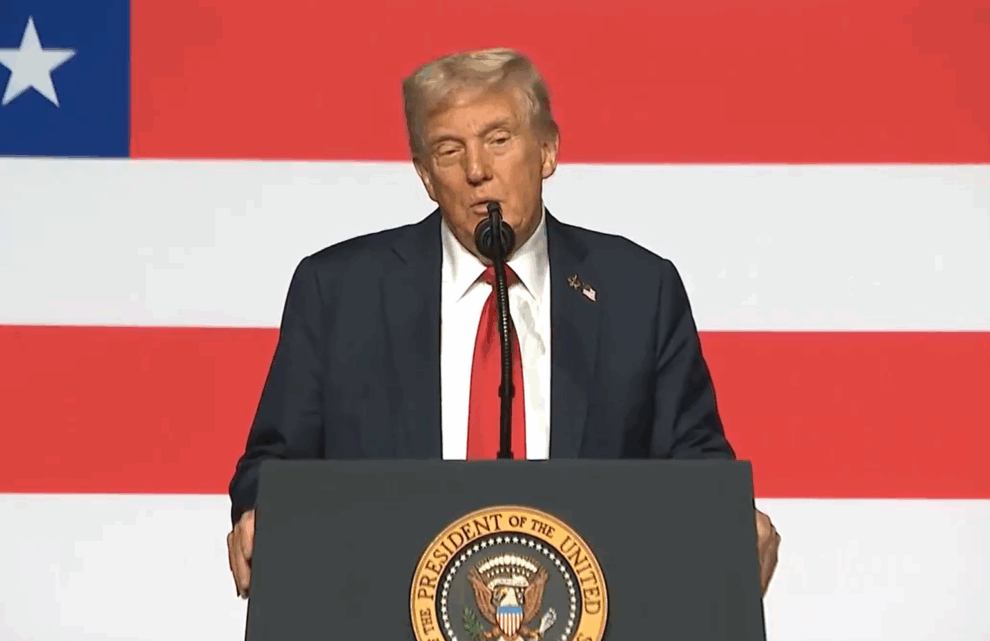
Nearly 5,000 white Afrikaners have entered the United States under a programme launched by President Donald Trump nearly a year ago based on unfounded claims that the South African minority faces persecution, a document seen by AFP on Wednesday showed.
The Trump administration has essentially ended refugee admissions as part of a crackdown on immigration but made an exception for South Africa’s white Afrikaans community, descendants of the first European settlers.
All of 4,499 people listed as resettled across 48 US states between October 1 last year and March 31 this year were South Africans except for three Afghans, according to the document from the US Department of State’s Bureau of Population.
Another 340 South Africans were admitted in the previous financial year, after Trump’s return to the White House in January 2025.
February and March this year saw the most arrivals, with more than 1,300 people resettled each month.
Trump’s administration in May last year made the offer of refugee status to the minority white Afrikaner community claiming they were victims of racial discrimination and even “genocide”, which the South African government strongly denies.
The first group of around 50 travelled to the United States on a chartered flight on May 12, while later arrivals took commercial flights.
The US government in October announced it would slash refugee admissions to 7,500 in fiscal year 2026, down from more than 100,000 a year under Democratic President Joe Biden, and give priority to white South Africans.
Pretoria and Washington, already at odds over a range of policy issues, clashed in December after South Africa raided a centre set up to fast-track resettlement applications to the United States.
Washington has repeatedly claimed that Afrikaners are being persecuted since the end of white minority rule in 1994, citing attacks on their farms and requirements for black representation in business.
Pretoria firmly rejects the allegations, pointing out that black South Africans are the main victims of the country’s high crime rate and that economic empowerment laws are intended to redress stark inequalities inherited from apartheid.

Add Comment