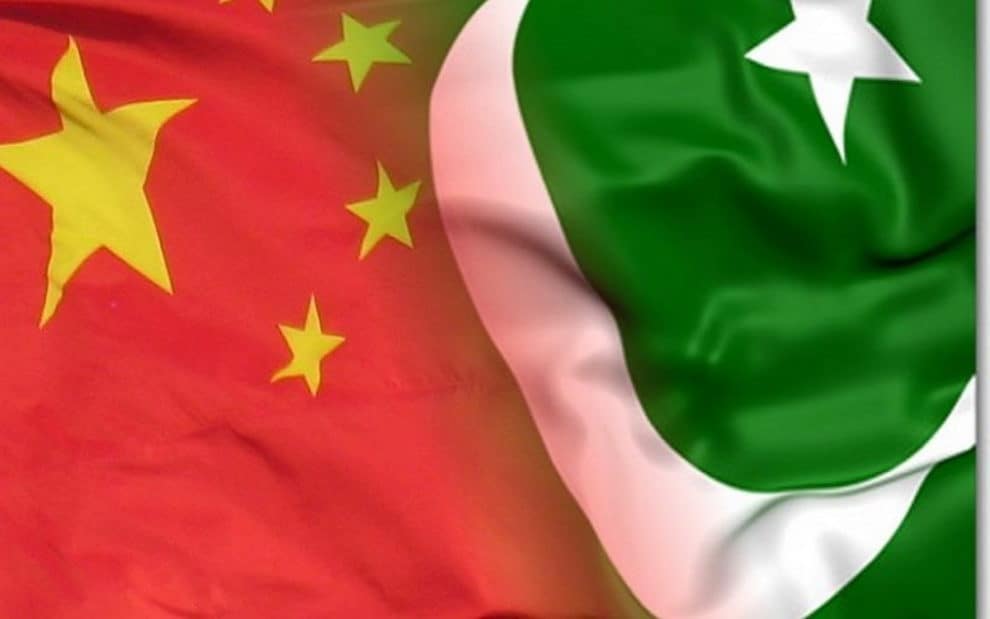
Pakistan and China are in talks to form a new regional bloc that could effectively take the place of the stalled South Asian Association for Regional Cooperation (SAARC).
According to reports, Islamabad and Beijing have made significant progress in these discussions, agreeing that a fresh platform is essential to improve regional integration and connectivity.
As part of these diplomatic efforts, Pakistan, China, and Bangladesh held a trilateral meeting in Kunming, China, marking the first event of its kind — one that drew India’s attention.
The gathering, which brought together senior diplomats from the three nations on June 19, aimed to extend invitations to other former SAARC members to join this new alliance.
India, reports say, will also be invited to participate in the proposed organization, though it is not expected to be enthusiastic about joining due to its differing interests.
Other countries in the region, including Sri Lanka, the Maldives, and Afghanistan, are likely to come on board. The focus of the new bloc would be to boost regional cooperation through improved trade ties and better connectivity.
If the plan moves forward, it would effectively signal the end of SAARC, once referred to as the “European Union of South Asia.”
SAARC had struggled to fulfill its aims, largely because of the hostile relationship between India and Pakistan.
The group has not held a summit in nearly ten years. Pakistan was due to host one in 2016, but India boycotted it, and Bangladesh — then led by pro-India Prime Minister Sheikh Hasina Wajid — also refused to attend.
Since then, there has been no meaningful attempt to revive SAARC, despite Pakistan’s willingness to host again.
The organization suffered yet another blow recently when India decided to stop issuing special SAARC visas to Pakistani businesspeople after the Pahalgam attack.
Pakistan and China have been discussing the new initiative for months and concluded that countries with shared interests should work together to secure a brighter future.
Observers note that India, because of its differing priorities, does not seem to fit well in other regional groups either, such as the Shanghai Cooperation Organization (SCO). Prime Minister Narendra Modi skipped the last two SCO summits.
The SCO, a 10-member security grouping that includes China, Russia, Iran, Pakistan, and several Central Asian nations, is often seen as a counterbalance to Western influence. However, India’s recent positions appear to be increasingly out of step with the SCO’s agenda.

Add Comment