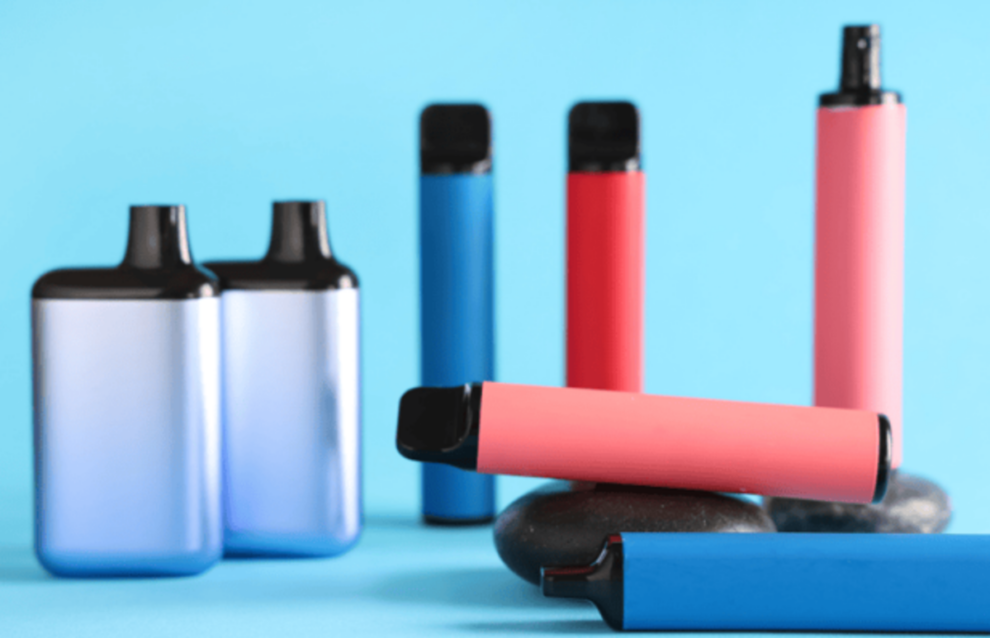
The vaping industry is in the middle of a quiet but meaningful shift. Once dominated by nicotine-heavy products and combustible alternatives, the space is now being reshaped by consumer demand for cleaner experiences, smarter technology, and more intentional lifestyle choices. At the center of this evolution is the rise of nicotine-free vape pens—devices that focus less on dependency and more on flavor, ritual, and innovation.
As regulators tighten restrictions and users become more health-conscious, nicotine-free vaping has emerged as a category worth serious attention. It blends consumer technology, wellness trends, and modern design into a product experience that feels more aligned with where the market is heading.
The Changing Consumer Mindset Around Vaping
Today’s consumers are far more informed than they were a decade ago. News cycles, health studies, and public debates have pushed people to question what they inhale and why. This scrutiny has accelerated a broader movement away from nicotine dependency and toward alternative experiences that feel less risky and more controlled.
Nicotine-free vape pens appeal to users who enjoy the sensory aspects of vaping—the flavors, the exhale, the social ritual—without the addictive component. For some, they’re a step-down option; for others, they’re a lifestyle choice from the start. Either way, the demand signals a shift in priorities: fewer chemicals, less compulsion, and greater transparency.
What Nicotine-Free Vape Pens Actually Contain
Unlike traditional vapes, nicotine-free pens are designed without nicotine salts or synthetic nicotine. Instead, they typically rely on a base of vegetable glycerin (VG) and propylene glycol (PG), combined with food-grade flavorings. The emphasis is on smooth vapor production and taste rather than throat hit or stimulant effects.
This simplicity has made ingredient quality a major differentiator in the market. Consumers are increasingly interested in sourcing, manufacturing standards, and lab testing. Brands that emphasize clean formulations and clear labeling tend to resonate more strongly with tech-savvy and wellness-oriented audiences.
The Role Of Technology In Next-Gen Vaping
Modern nicotine-free vape pens are less about clouds and more about engineering. Advances in battery efficiency, airflow control, and heating elements have transformed these devices into sleek pieces of consumer tech.
Temperature regulation is a major innovation. Consistent heating prevents burning and improves flavor delivery, while also reducing unwanted byproducts. USB-C charging, longer battery life, and compact designs further blur the line between lifestyle accessory and personal tech device.
Some premium manufacturers have leaned into minimalist aesthetics and durable materials, recognizing that users now expect vape pens to feel as refined as other everyday electronics.
Flavor Innovation Without Dependency
One of the most compelling aspects of nicotine-free vaping is flavor experimentation. Without nicotine’s harshness, manufacturers can focus on smoother, more nuanced profiles. From fruit-forward blends to dessert-inspired options, flavor has become the primary driver of user satisfaction.
This trend mirrors what’s happening in other consumer categories, such as non-alcoholic beverages and functional wellness products. People want indulgence without the downside, and nicotine-free vape pens fit neatly into that narrative.
Regulatory Pressure And Market Adaptation
Governments worldwide continue to scrutinize vaping products, especially those containing nicotine. Restrictions on advertising, age limits, and product formulations have made the regulatory environment increasingly complex.
Nicotine-free products often occupy a different regulatory space, allowing brands more flexibility in how they innovate and communicate. While oversight still exists, the absence of nicotine can reduce legal hurdles and make these devices more appealing to retailers and distributors navigating compliance challenges.
This has positioned nicotine-free vape pens as a strategic response to tightening regulations, particularly in regions where nicotine products face mounting restrictions.
Wellness, Perception, And Cultural Shifts
It’s important to note that nicotine-free does not automatically mean “risk-free,” and responsible brands are careful not to make exaggerated health claims. Still, public perception plays a powerful role in adoption.
Nicotine-free vaping is increasingly viewed as a harm-reduction or lifestyle-oriented option rather than a smoking alternative alone. This distinction matters, especially among younger adults who are drawn to intentional consumption and transparency.
The cultural shift echoes broader wellness trends: people want control, moderation, and products that fit into a balanced lifestyle without dominating it.
Design As A Differentiator In Vape Tech
As the market grows, design has become a critical factor. Discreet profiles, matte finishes, and pocket-friendly builds reflect changing tastes. Vape pens are no longer meant to stand out loudly; instead, they’re designed to blend seamlessly into daily life.
This design-forward approach has opened the door for premium positioning. Much like smartphones or wireless earbuds, vape pens are increasingly judged on look and feel as much as performance.
Brands that invest in both form and function tend to attract users who see vaping as an experience rather than a habit.
The Emergence Of Premium Nicotine-Free Brands
Within this evolving landscape, premium nicotine-free brands are carving out space by combining technology, quality control, and refined branding. One example is Blakk Smoke, which focuses on nicotine-free hookah-style vape pens designed for flavor consistency and modern aesthetics—reflecting the broader shift toward intentional, tech-driven alternatives.
These brands are not trying to replace traditional vaping overnight. Instead, they’re offering an option for consumers who want choice, control, and a more contemporary approach to inhalation products.
What The Future Holds For Nicotine-Free Vaping
Looking ahead, the nicotine-free vape segment is poised for continued growth. As technology improves and consumer expectations rise, we’re likely to see further innovation in materials, sustainability, and personalization.
Smart features, recyclable components, and customizable experiences may soon become standard. At the same time, increased public awareness will continue to push brands toward higher standards of transparency and responsibility.
What’s clear is that nicotine-free vape pens are no longer a niche offering. They represent a convergence of tech innovation, regulatory adaptation, and evolving consumer values—making them a noteworthy development in the broader conversation about modern vaping.

Add Comment