


A leading Saudi investment official said in a speech on Wednesday that infrastructure projects that were part of the futuristic desert city of Neom would likely suffer delays but had not been cancelled.
Neom, the $500 billion flagship for oil-reliant Saudi Arabia’s Vision 2030 diversification programme, has reportedly been plagued by a variety of issues, including personnel changes and design rethinks.
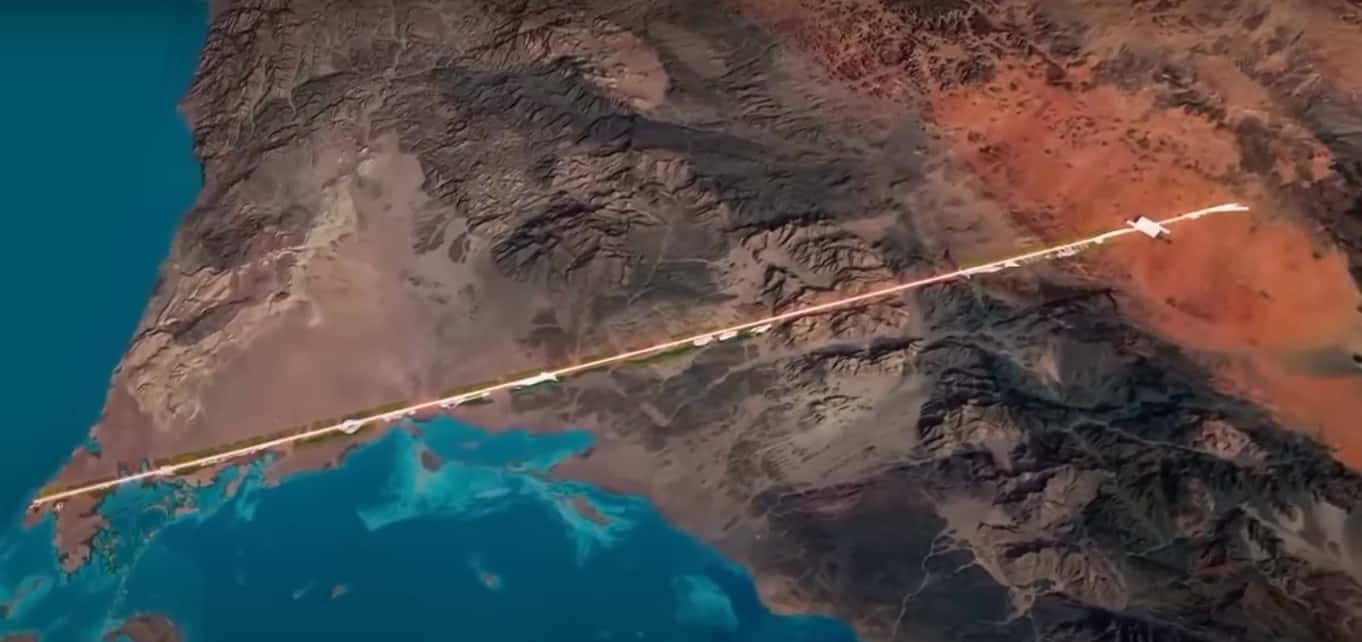
Neom is best known for The Line, twin mirror-encased 170-kilometre-long skyscrapers meant to extend inland from the coast.
“No project in Neom has been cancelled,” said Yasir Al-Rumayyan, governor of the Public Investment Fund (PIF).
“Has anything been postponed? Yes, definitely,” he added.
“Some projects have been delayed because they are not on the critical path,” he said, referring to more timely plans related to the kingdom’s hosting of Expo 2030 and the World Cup in 2034.
During an interview with Al Arabiya broadcasted earlier Wednesday, Rumayyan also aired fresh questions about the future of The Line.
“People assume that The Line is Neom,” he told the channel.
“Is it necessary for The Line to be completed by 2030? I don’t think so. It’s good to have, but it’s not a must have.”
The comments came as PIF announced its 2026-2030 strategy that will reorganise the fund’s investments into three distinct portfolios as it seeks to maximise returns.
Speculation remains rife about how the Middle East war will affect spending priorities in Saudi Arabia and investments moving forward.
The Gulf region was hit hard by Iranian barrages on infrastructure, including airports, energy installations and ports following the US and Israeli attack on Iran in late February.
Unveiling The Line in 2022, Crown Prince Mohammed bin Salman said its population would exceed one million by 2030 before climbing to nine million by 2045.
Work on NEOM is progressing alongside other major development projects launched as part of Vision 2030, Prince Mohammed’s bid to position the world’s biggest crude exporter for an eventual post-oil future.
But even before the war, Saudi Arabia’s economic reforms were coming under pressure, with persistently low oil prices in recent years shrinking government revenues and triggering deficit spending.