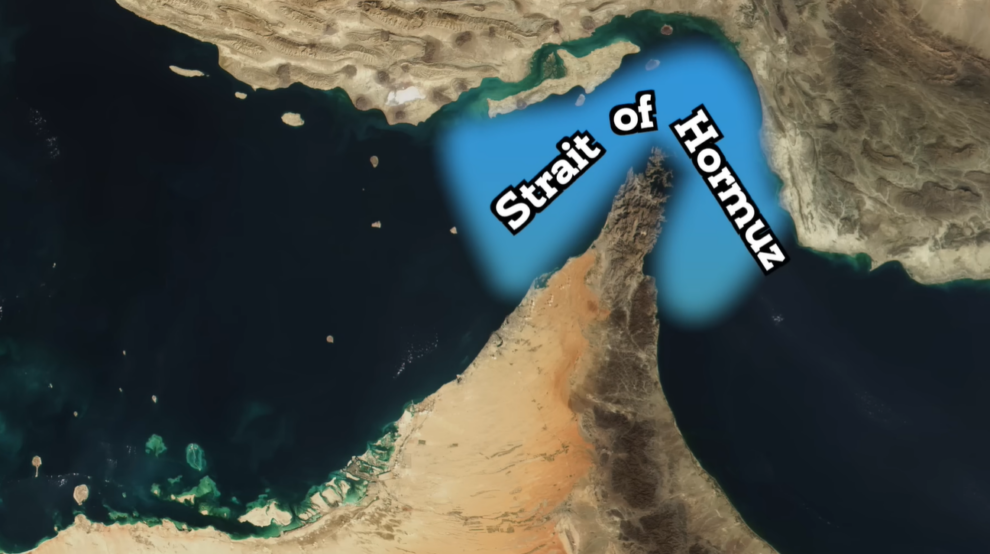
Thailand has reached an agreement with Iran to allow Thai oil vessels safe passage through the Strait of Hormuz, the Southeast Asian nation’s Prime Minister said on Saturday.
Iranian forces have effectively slowed shipping through the strait to a trickle during the Middle East war, which began late last month.
“An agreement has been reached to allow Thai oil tankers to transit safely through the Strait of Hormuz,” Thai Prime Minister Anutin Charnvirakul said at a press conference, adding the development would alleviate concerns over fuel imports.
“With this agreement in place, there is greater confidence that disruptions like those seen in early March will not recur,” he added.
More than 80 percent of the crude oil and liquified natural gas (LNG) that passes through the Strait of Hormuz heads to Asia, according to the US Energy Information Administration.
Much of Southeast Asia is bearing the brunt of fuel supply difficulties and long lines at petrol stations in Thailand have become increasingly frequent.”
“The government will continue to adapt to evolving situations and adjust measures to minimise the impact on the public,” Anutin added.
Earlier this month, a Thai bulk carrier travelling in the waterway was attacked and three of its crew members were missing.
Commodities shipping through the Strait of Hormuz plunged 95 percent between March 1 and 26 following the start of the war, according to the maritime tracking platform Kpler.
Iran’s Revolutionary Guards said Friday they had turned back three ships trying to transit the Strait of Hormuz, adding the route was closed to vessels travelling to and from ports linked to its “enemies”.
Twenty-four commercial vessels, including 11 tankers, have been attacked or reported incidents in the Gulf, the Strait of Hormuz or the Gulf of Oman this month, according to the British naval maritime security agency UKMTO.

Add Comment