Traveling through Peru is not just about seeing famous places. It is about learning how the country moves and then moving with it. Landscapes shift quickly, altitudes rise without warning, and cultures overlap in ways that reward travelers who slow down just enough to notice the transitions. When trips feel rushed, Peru can feel overwhelming. When trips are paced well, everything clicks into place, from early mornings to train rides through the Andes.
One of the easiest ways to make the experience smoother is understanding where structure helps and where flexibility matters. That balance becomes especially important when dealing with high demand highlights like guided Machu Picchu tours, which operate on limited entry times and strict schedules. Planning these anchor experiences early gives you freedom everywhere else.
Instead of treating Peru as a series of disconnected attractions, it helps to think of it as a story told in chapters. Each destination prepares you for the next, physically and mentally. With that perspective, even the most iconic places feel approachable rather than intimidating.
Cusco: Learning the Rhythm at Altitude
Cusco is where most journeys begin, and it quietly teaches an important lesson right away. At over eleven thousand feet above sea level, the city sets the pace whether you want it to or not. Travelers who try to do too much on day one often feel it by day two.
The best introduction to Cusco is unhurried. Walk the historic center, notice the precision of Inca stone foundations beneath colonial buildings, and give your body time to adjust. Short walks, light meals, and plenty of water go a long way here. Cusco is not about speed. It is about orientation.
This is also a practical place to finalize logistics, confirm tickets, and ask questions. Taking care of details here reduces stress once you move deeper into the mountains.
The Sacred Valley: Where Everything Opens Up
Leaving Cusco for the Sacred Valley feels like stepping into a wider breath. The altitude drops, the landscape stretches out, and the pace becomes gentler. This valley was the agricultural heart of the Inca world, and it still feels productive and lived in today.
Sites like Pisac and Ollantaytambo show how engineering and daily life once blended seamlessly. Terraces climb hillsides, rivers cut through farmland, and small towns still operate around these ancient structures. Staying overnight in the valley instead of rushing through it helps with acclimatization and creates breathing room in your itinerary.
The Sacred Valley also serves as a natural bridge between Cusco and Machu Picchu, making it one of the smoothest transitions in the country when planned thoughtfully.
Machu Picchu: A Place That Rewards Preparation
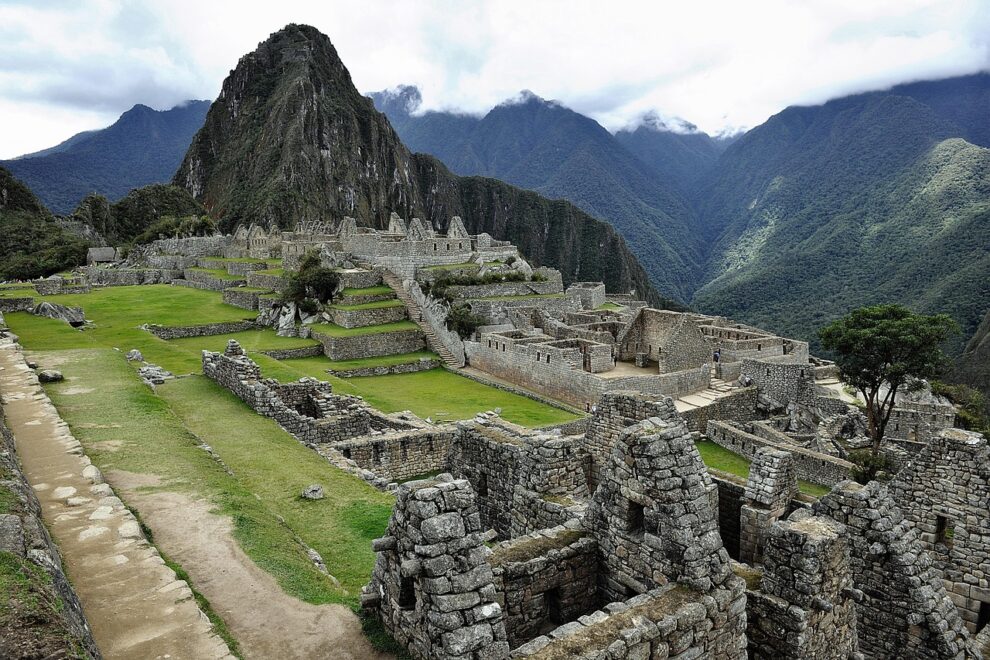
Machu Picchu lives up to its reputation, but only if you arrive ready. Entry is regulated, routes are defined, and timing matters more than many travelers expect. Early morning visits often feel calmer and cooler, while later slots can feel compressed.
Staying overnight in the nearby town allows for a relaxed approach and reduces the risk of delays. Once inside the site, moving slowly and following the designated circuits helps preserve the sense of wonder. Machu Picchu is not meant to be rushed through. It is meant to be absorbed.
For deeper historical context on why access is so carefully managed, the UNESCO World Heritage overview of Machu Picchu provides useful background on its preservation and global significance.
Rainbow Mountain: Beauty with a Physical Cost
Rainbow Mountain looks almost unreal, but the challenge is not visual. It is physical. Sitting above sixteen thousand feet, this hike is short but demanding, especially for travelers who underestimate the altitude.
The smoothest way to experience Rainbow Mountain is later in your trip, after your body has adjusted. Early departures are common, and weather plays a huge role. Clear mornings bring vibrant colors, while clouds can flatten the landscape entirely.
Knowing what your body can handle and choosing the right day makes the difference between a struggle and a sense of accomplishment.
Lake Titicaca: Slowing Down Even Further
Lake Titicaca introduces a different side of Peru, one that values continuity over spectacle. Floating islands, quiet shorelines, and long conversations replace steep climbs and dramatic viewpoints. Life here follows patterns shaped by water, weather, and tradition.
Visiting local communities offers insight into how ancient customs adapt rather than disappear. Homestays and guided village visits work best when approached with curiosity and respect. This is not a destination for rushing. It is a place for listening.
The lake experience balances the intensity of the Andes and adds depth to the overall journey.
Lima: Ending Where Everything Connects
Lima often surprises travelers who save it for last. After weeks in the mountains, the coastal air and urban energy feel grounding. Neighborhoods like Miraflores and Barranco invite wandering, whether along ocean cliffs or through streets filled with cafes and galleries.
Food plays a central role here. Dishes blend ingredients from the coast, Andes, and Amazon, turning meals into a summary of the country you just traveled through. Ending your trip in Lima helps tie together the landscapes and cultures you experienced along the way.
For travelers interested in understanding Peru’s regional diversity beyond individual destinations, the official tourism resource offers helpful context.
Seeing Peru Smoothly Is About Respecting the Journey
Peru’s most iconic destinations are not difficult to visit, but they demand awareness. Altitude changes, long travel days, and limited access sites require patience and planning. When those elements are respected, the journey feels intentional rather than exhausting.
The smoothest trips are not the fastest ones. They are the ones that allow space for adjustment, curiosity, and moments of stillness. In Peru, those moments often become the memories that last longest.

Add Comment