
Many organizations prioritize leadership development more than almost any other internal growth metric. Despite the high demand, many managers operate without a clear leadership philosophy, which is based on the core set of beliefs and principles that dictate how they make decisions and interact with their team. It is also essential to know how to handle professional setbacks, as they serve as a mental blueprint for your daily work.
We developed this guide by reviewing leadership curriculum from top business publications, listening to the best leadership podcasts, and cross-referencing successful frameworks found in prominent nonfiction book summaries. We studied how modern continuous learning and microlearning platforms outline these high-level concepts in their solutions, so managers can improve their skills. You can use the following insights to identify which established models align with your own professional values!
What Is a Leadership Philosophy?
A leadership philosophy is a baseline set of beliefs, values, principles, and knowledge that dictate how you show up as a leader. It acts as your internal operating system, providing a consistent framework for how you make decisions, or, for example, how you can handle conflict and motivate those around you. Without a defined philosophy, leadership becomes reactive, shifting based on the stress of the day or the person you are talking to.
The core components
To truly understand what makes up a philosophy, you have to look at the intersection of your personal identity and your professional goals:
- Core values: These are your non-negotiables and also bring us to the personal leadership philosophy.
- Vision: The ultimate Why, your reason behind your work (it’s the long-term impact you want to have on your team’s culture and the organization’s success).
- Behavioral standards: The specific actions you take to live out your values. If you value growth, your philosophy might include a standard of providing weekly constructive feedback.
- Expectations: A clear definition of what your team can expect from you and what you require from them in return to maintain a high-trust environment.
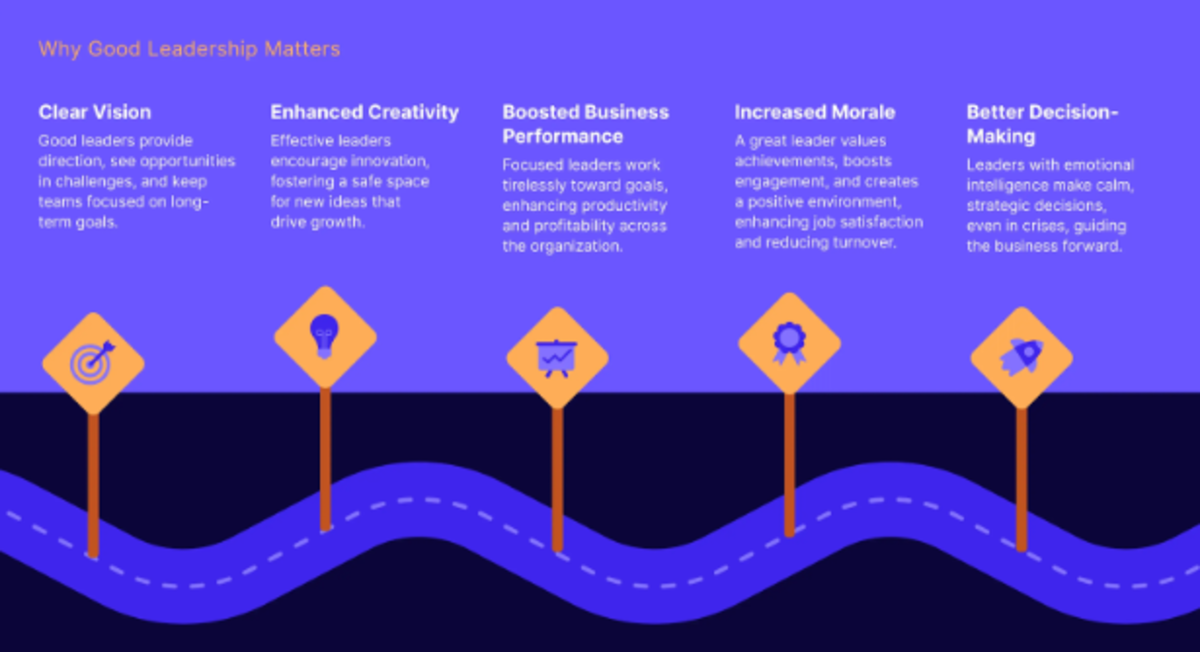
Leadership Philosophy Creates Safety and Continuous Learning
A philosophy provides predictability. When a team knows their leader’s goals, they don’t have to second-guess decisions. You get a culture of psychological safety because the rules of engagement are clear and consistent. It moves a team from simply following instructions to being empowered by a shared set of principles.
These are the kinds of ideas worth revisiting and applying in small, practical ways, because leadership is built through repeated reflection and real-world use as you learn the core. That’s exactly the kind of continuous learning approach platforms like Nibble are built around. You can apply microlearning methods to gain insights broken down into manageable pieces that you can revisit and apply gradually in everyday situations. Below, we prepared the top insights based on the leadership books:
1. ‘Meditations’ by Marcus Aurelius: Stoic Discipline
Marcus Aurelius served as a Roman Emperor and recorded his personal reflections on power and self-control during the 2nd century. His writings are frequently featured on reading lists because they address the psychological weight of command. You can apply Stoic leadership by focusing exclusively on your own reactions rather than the unpredictable external factors of a business environment.
This philosophy solves the problem of emotional volatility during a crisis. It teaches you to view obstacles as neutral data points rather than personal failures. By practicing the inner citadel, a concept where a leader maintains a calm internal state, you remain a stable point of reference for your employees when the market or company faces uncertainty.
2. ‘Start With Why’ by Simon Sinek: Purpose-Driven Guidance
Simon Sinek introduced the Golden Circle framework to explain why some organizations inspire deep loyalty while others struggle to do so. The core idea is that most companies communicate what they do, but the most effective leaders start with why they do it. This is the purpose or belief that drives the entire organization.
You can use this framework to improve how you communicate strategic goals to your team. Sinek’s explanation of this concept has reached over 60 million viewers, highlighting its global relevance. Short-form learning modules on platforms often explore similar cognitive frameworks to help professionals clarify their communication styles. When you define your purpose first, your team understands the how and what of their tasks with greater clarity.
3. ‘Leaders Eat Last’ by Simon Sinek: The Circle of Safety
In this follow-up work, Sinek explores the biological and psychological roots of trust within a group. The Circle of Safety is a leadership philosophy where the manager takes responsibility for protecting the team from internal politics and external threats. This creates an environment where employees feel safe enough to innovate and take risks.
Organizational psychology suggests that when leaders prioritize their subordinates’ well-being, the team naturally reciprocates with higher engagement. You see this in military leadership models where officers ensure their troops are fed and rested before taking care of themselves. This philosophy shifts your focus from managing tasks to protecting your department’s culture.
4. ‘The 7 Habits of Highly Effective People’ by Stephen Covey: Principle-Centered Leadership
Stephen Covey’s model emphasizes that effective leadership begins with personal character. He argues that you cannot lead others effectively if you cannot lead yourself through consistent habits. Over 40 million copies of this book have been sold, making it a foundational text for corporate training programs globally.
The philosophy of principle-centered leadership encourages you to be proactive rather than reactive. Instead of following the latest management trends, you base your decisions on timeless principles like integrity and fairness. This approach ensures your behavior remains predictable and trustworthy over long periods, which is vital for maintaining professional authority.
5. ‘Atomic Habits’ by James Clear: Incremental Improvement
James Clear applies behavioral psychology to the concept of leadership by focusing on small, repeatable actions. He argues that leadership is not a single heroic event but the result of habit stacking and minor adjustments in daily routines. If you improve your decision-making or communication by just 1% every day, the cumulative effect over a year is substantial.
This philosophy is useful when you feel overwhelmed by large-scale organizational changes. You can focus on the systems that govern daily work. By emphasizing the process over the final goal, you help your team build the discipline needed for sustained performance without the burnout associated with radical shifts.
How to Compare Ideas from Leadership Books and Apply Them Daily
Developing a leadership philosophy requires observing which frameworks produce the best results in your specific work environment. You might find that the Stoic discipline of Marcus Aurelius helps you during high-pressure board meetings, while Sinek’s Circle of Safety is more effective for building your immediate team.
We recommend testing one principle from these books for 2 weeks. Observe how your team responds to changes in your communication or decision-making style. By using tools like book summaries or podcasts to stay informed, you can refine your approach until your actions consistently reflect your values!

Add Comment