
Driving without insurance can lead to serious trouble in Texas. Many drivers do not realize how strict the rules are until they are pulled over. A simple traffic stop can quickly turn into fines, fees, and long-term consequences that affect your driving record and finances.
In Texas, officers and courts take insurance violations seriously. Questions about no insurance ticket penalties often come up after a first offense or when a driver faces court for the first time. Understanding how these penalties work can help you respond the right way and avoid repeat problems.
What Is a No Insurance Ticket in Texas?
A no insurance ticket is issued when a driver cannot show valid auto insurance during a traffic stop or after an accident. Texas law requires drivers to carry minimum liability coverage at all times.
Even if you have insurance but cannot prove it at the scene, you may still receive a ticket. Proof must usually be provided later to avoid further penalties.
Texas Minimum Insurance Requirements
Texas requires drivers to carry liability insurance. This coverage pays for injuries and damage you cause to others.
The minimum coverage includes:
- Bodily injury coverage per person
- Bodily injury coverage per accident
- Property damage coverage
Driving without meeting these requirements is considered a violation of state law.
First Offense Penalties
A first no insurance offense can still be costly. Courts may impose fines and additional fees even if no accident occurred.
Common penalties for a first offense include:
- A fine that can reach several hundred dollars
- Court costs and administrative fees
- Requirement to show proof of insurance
The total cost often ends up higher than drivers expect.
Second and Repeat Offenses
Penalties increase sharply for repeat violations. Texas treats repeat offenses as a sign of ongoing noncompliance.
For a second offense, drivers may face:
- Higher fines
- Possible license suspension
- Vehicle impoundment
- SR-22 insurance requirement
These consequences can affect your ability to drive legally for months or longer.
What Happens After an Accident Without Insurance?
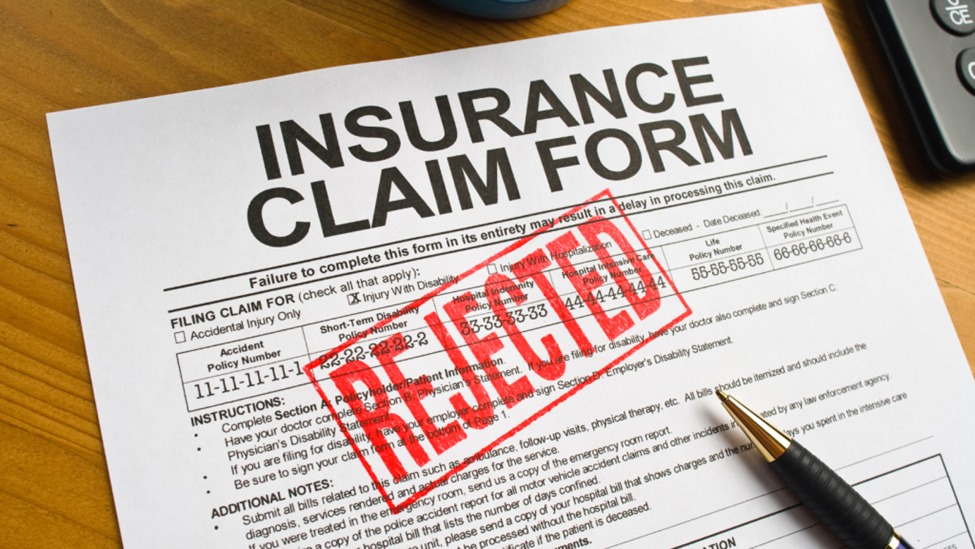
Driving uninsured becomes more serious after an accident. Fault plays a major role, but penalties apply even if the accident was minor.
Uninsured drivers may be personally responsible for:
- Medical bills
- Vehicle repairs
- Legal claims from other drivers
This financial exposure can be overwhelming and long-lasting.
Proof of Insurance and Dismissal Options
In some cases, a no insurance ticket may be dismissed. This often depends on whether you had valid insurance at the time of the stop.
Courts may dismiss the ticket if:
- You provide proof of insurance covering the date of the stop
- You meet court deadlines
- All required fees are paid
Each court handles this process differently, so timing matters.
Understanding the SR-22 Requirement
An SR-22 is not an insurance policy. It is a form filed by your insurer that proves you carry the required coverage.
Texas may require an SR-22 after repeat offenses or license suspension. This requirement often leads to higher insurance premiums and stricter monitoring.
How No Insurance Tickets Affect Your Driving Record
No insurance violations stay on your driving record. This can lead to increased insurance costs and closer scrutiny by insurers.
A poor driving record may also affect employment for drivers who rely on a clean license. The impact can last well beyond the fine itself.
Common Mistakes Drivers Make
Many drivers worsen their situation by handling tickets incorrectly.
Common mistakes include:
- Ignoring court dates
- Driving again without insurance
- Assuming a first offense is minor
- Failing to understand proof requirements
These errors can lead to harsher penalties.
How to Avoid Future No Insurance Tickets
Prevention is the best approach. Maintaining continuous coverage protects you legally and financially.
Helpful steps include:
- Keeping proof of insurance in your vehicle
- Setting reminders for policy renewals
- Confirming coverage meets state minimums
Staying insured reduces stress and risk on the road.
Final Key Takeaways
- Texas requires all drivers to carry liability insurance.
- No insurance tickets come with fines and added costs.
- Repeat offenses lead to harsher penalties.
- Accidents without insurance create serious financial risk.
- Proof of coverage and timely action can limit consequences.
Understanding no insurance tickets and penalties in Texas helps you make informed choices. Staying insured and responding correctly to violations protects your driving privileges and your financial future.

Add Comment