
Modern vehicles are more connected than ever. Built-in navigation systems, real-time traffic updates, Bluetooth calling, and app-based communication tools have transformed how drivers interact with the road and with each other. In many ways, today’s cars resemble rolling digital hubs.
Yet despite these advances, older communication technologies have not disappeared. In fact, some remain quietly relevant, especially in professional driving and long-distance travel. From trucking routes to rural highways, traditional tools still serve practical purposes where newer systems sometimes fall short.
This persistence is not about nostalgia. It reflects a broader reality: connectivity is not always guaranteed, and redundancy still matters.
The Limits of Cellular Dependence
Smartphone-based communication relies heavily on cellular infrastructure. In urban and suburban areas, coverage is generally strong. But in rural regions, mountainous terrain, or remote highways, signal gaps remain common.
Even in well-covered areas, network congestion can occur. Large events, emergencies, or infrastructure outages can temporarily disrupt service. When this happens, app-based communication tools lose effectiveness.
For drivers who rely on consistent communication, such as truckers, off-road travelers, or convoy drivers, these limitations are more than inconvenient. They can affect coordination, safety, and logistics.
A System Built for Direct Communication
Radio-based communication operates differently. Instead of routing signals through towers and networks, it allows direct, short-range transmission between devices. This simplicity can be an advantage in certain contexts.
CB (citizens band) radio, in particular, has long been associated with trucking culture. Drivers use it to share road conditions, weather alerts, and traffic information. While the golden age of CB radio may have passed, it remains present in segments of the transportation industry.
Importantly, it works independently of mobile networks. As long as devices are powered and within range, communication is possible.
Professional and Practical Use Cases
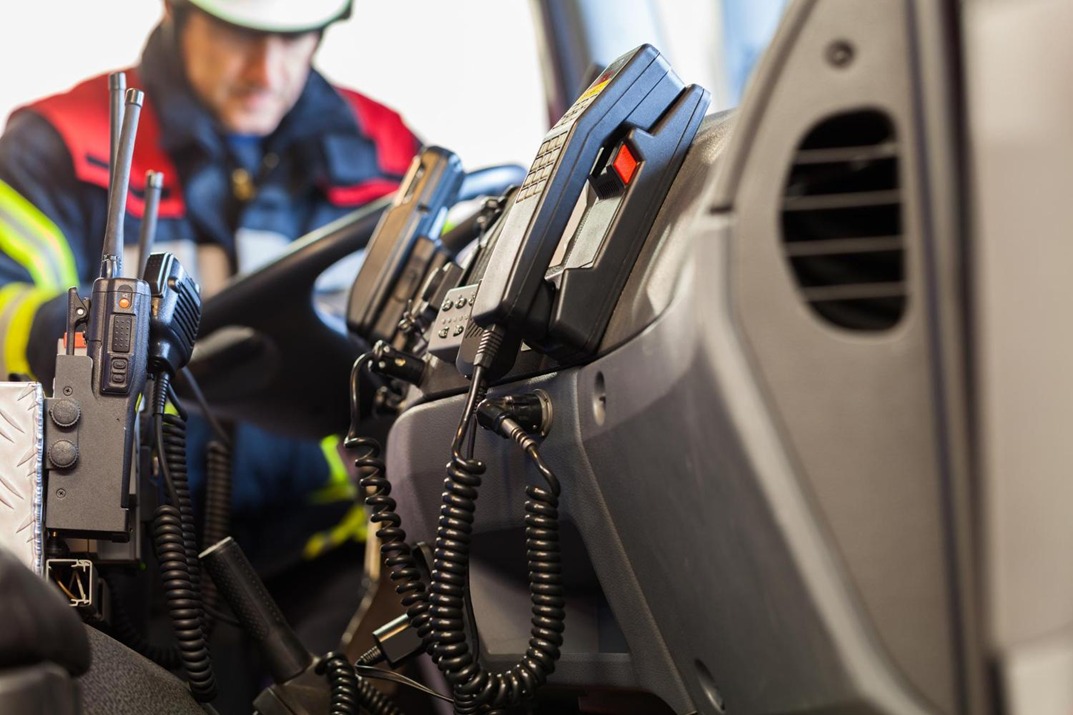
Commercial trucking still provides one of the clearest examples of CB radio’s role. Many drivers value real-time peer communication that does not rely on dispatch systems or mobile data.
CB radio is also used by:
- Off-road and overland travelers
- Rural delivery drivers
- Agricultural vehicle operators
- Emergency response volunteers
- Road trip groups traveling together
These users often prioritize reliability and simplicity over advanced features.
Even as vehicles become more connected, many drivers still use traditional communication tools, supported by reliable accessories like cb radio mounts, which help keep devices secure and accessible while on the road. Proper mounting ensures equipment stays stable and usable without distracting the driver.
Redundancy as a Safety Strategy
In transportation, redundancy is a common safety principle. Aircraft have backup systems; ships carry multiple navigation tools. Road travel is no different.
Relying on a single communication method can be risky. Backup options provide reassurance, particularly in remote or unpredictable conditions.
For example, during natural disasters or severe weather events, cellular networks may become overloaded or temporarily unavailable. Radio-based systems can sometimes continue functioning when other channels fail.
This does not mean CB radios replace smartphones, but they can complement them.
Cultural Persistence and Community
CB radio also carries a cultural dimension. For decades, it fostered a sense of community among drivers. Slang, call signs, and shared etiquette created a subculture around road communication.
While that culture has evolved, elements remain. Some drivers still appreciate the immediacy and human connection of open-channel communication compared to app-based messaging.
In an era where digital interactions dominate, analog tools sometimes offer a different kind of experience.
The Broader Lesson About Technology
The continued presence of legacy tools highlights an important point about technological progress: newer is not always universally better. Often, different tools serve different needs.
Digital systems excel at global connectivity, data integration, and convenience. Traditional radio excels at local, direct communication and independence from infrastructure.
The most resilient approach may be a blended one, using modern tools where they shine and maintaining simple backups where they matter.
Looking Ahead
Vehicle connectivity will only increase. 5G, satellite internet, and connected-car ecosystems promise broader coverage and smarter systems. Over time, these may reduce some of today’s limitations.
However, infrastructure gaps and unpredictable scenarios are unlikely to disappear entirely. As long as that remains true, independent communication methods will retain niche relevance.
Transportation history shows that tools rarely vanish overnight. They fade gradually, often remaining in specialized roles.
Legacy communication tools persist because they still solve real problems. CB radios and similar systems offer direct, infrastructure-light communication that can be valuable in specific contexts.
Their role today is smaller than in past decades, but not obsolete. For certain drivers, they represent preparedness, practicality, and redundancy rather than resistance to change.
In a world increasingly dependent on complex networks, simple tools that work independently continue to hold quiet value.

Add Comment