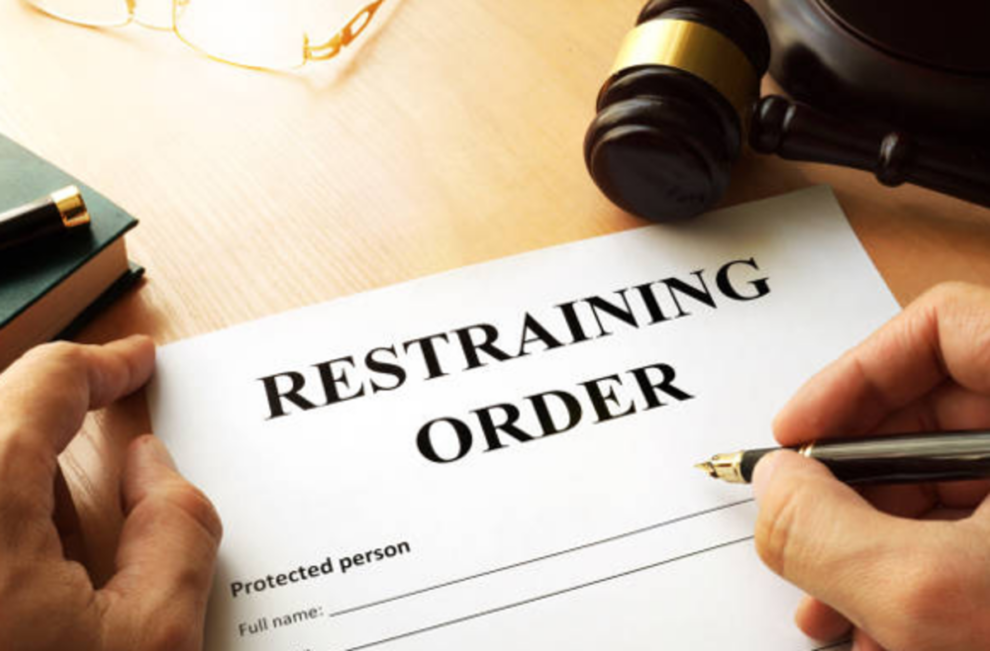
A restraining order is a rule made by a court. It tells someone to stop doing certain things. Sometimes it stops them from coming close to a person. Sometimes it stops them from calling or texting. It might even make them do something like give up weapons or go to counseling.
Courts get proof because they need to know and believe that you’re really in danger. Judges can’t see inside someone’s head, so they can’t know if someone is scary just because someone says so. They need facts.
That’s why when someone wants a restraining order to protect victims, they need to bring evidence that shows the danger is serious and not just a feeling.
Why Proof Matters When Getting a Restraining Order
Proof matters because courts have to decide if someone’s freedom should be limited. If the court doesn’t see danger, it won’t make rules for someone else’s freedom. That’s why proof has to be solid. Judges need to see facts that show that harm is happening now or could happen soon.
Here are more reasons why you need proof
Shows the Problem is Serious
If someone just says, “They are mean,” the judge won’t do much. But if someone shows a message that says, “I will hurt you,” or a video where the person is yelling and threatening, or even a police report from something that already happened, the judge can see that this is serious.
Witnesses who saw something happen also count. Even things like stalking, harassing, or sending scary messages count if you can prove it.
Shows the Danger Will Keep Going
Courts don’t just care about one single incident. They want to see if the bad behavior is going to continue.
Patterns matter. If someone has been following, calling, or texting over and over, that shows danger isn’t just a one-time thing.
Judges want to see that there is an actual risk in the future, not just a single mistake or argument.
Gives the Court Rules to Follow
Proof also helps judges know what kind of order to make. If someone broke the law or hurt someone in a specific way, the judge can use that to make rules about distance, contact, or even counseling.
Saying “they were mean” doesn’t explain enough. The court needs dates, places, witnesses, and records so the order makes sense and can be enforced.
What You Need to Show the Court

If you want the court to help, you have to show proof. They don’t just take your word for it. They need to see what really happened.
Past Harm
You have to show the things that already went wrong. You can do this by:
- Writing down exactly what happened. Say the dates, times, and what the person did. Don’t leave anything out.
- Getting other people who saw it to say what they saw. Witnesses are super helpful.
- Using police reports or doctor notes, if anyone got hurt. Those papers show it wasn’t small.
- Taking photos, videos, or recordings. Even little things help.
The court wants actual evidence, not guessing or stories that sound made up.
Threat of Future Harm
You also have to show that it could happen again. Courts don’t just stop at what already happened. They want to know you’re still in danger. You can do this by:
- Saving messages, emails, or recordings that show threats or intent to harm.
- Explaining how your life changed because you’re scared. You start being scared all the time. You might even avoid places you used to go to, or change the way you do things every day, just because you don’t want anything bad to happen again.
- Showing a pattern, for instance, if the person keeps bothering you, following you, showing up over and over. It makes it feel like the danger never went away.
If you show the court all of this, they would see that you’re still scared and that it’s serious. So they would give you protection.
Personal Connection
Sometimes the court wants to know if the person asking for protection has a personal connection to the person they want protection from. Personal connections can be:
- Living together now or in the past.
- Being family members.
- Dating or having dated.
- Sharing children.
Key Takeaways
- A restraining order is a court order that restricts a person’s actions or contact with someone else.
- Courts want to know if the danger will keep happening.
- If you show messages, videos, or police reports that show the court that you’re not making things up.
- Judges also care about personal connections. If you live with them, are family, dated them, or share kids, that shows why the danger is real.

Add Comment