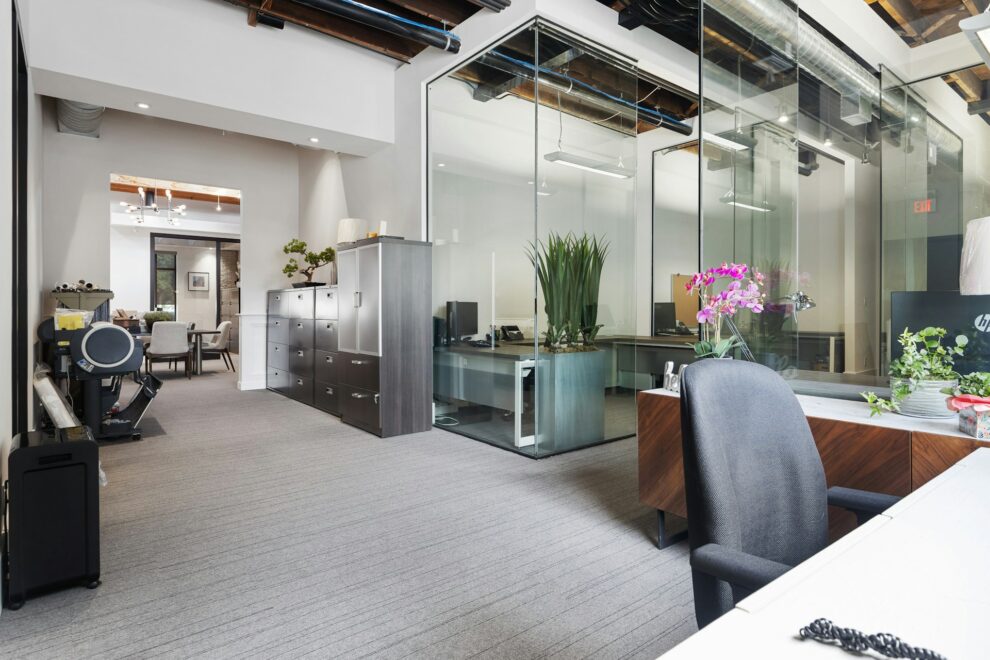
Transitioning from leasing to owning commercial property can be an important milestone in the life of any business, marking a commitment that often coincides with growth, stability, and long-term vision. But this step comes with its own set of challenges and considerations. Making an informed decision can set your business up for success. In this blog, we will look at insights on managing this transition process to purchase your first commercial property.
Ownership Delivers Advantages over Leasing
Leasing may be tempting when starting up a business, offering flexibility with minimal upfront costs and lower monthly payments compared to buying outright. But ownership offers distinct benefits not available through leasing agreements. Owning your property means complete control of its space. No more restrictions on renovations or upgrades. Monthly payments go toward building equity rather than just covering rent, creating tangible assets for your business. As well as financial benefits, ownership offers other advantages too. Not only will ownership add credibility and image enhancement benefits, but having a permanent address conveys stability and professionalism that attracts clients, partners, and talent who value permanence in a business relationship.
Assessing Your Readiness: Is It Time to Buy?
Before purchasing property, it is important that your business assess its readiness. Indicators may include financial stability, future growth projections, and anticipated occupancy times of the space you intend on buying. Maintaining a sustainable cash flow and reserves for unexpected expenses are extremely important when owning property, as the costs associated with ownership, such as maintenance, taxes, and insurance, can quickly add up. You should evaluate whether there’s room for expansion as your business grows. Is the location accessible and attractive to customers and employees? Always think long-term when considering ownership, so don’t buy for today but for years ahead.
Securing Financing
Acquiring commercial property typically involves an initial substantial outlay, making securing financing a fundamental step of the process. Options available to you could include traditional bank loans, SBA loans, or private financing depending on your circumstances. To secure funding, it’s important that your finances are organized, consistent, and transparent, as lenders will closely examine income statements, credit history, and revenue stability before providing loans. Partnering with a financial advisor or real estate professional can help you assess your options and identify a commercial mortgage network tailored to meet your goals. Informed decisions backed up with knowledge about loan-to-value ratio, interest rates, and repayment plans will enable financing success.
What to Look for in a Commercial Property
Choosing the ideal commercial property is one of the most crucial steps in securing your business operations. Location plays a huge role, with prime spots increasing foot traffic and brand recognition, while less ideal locations could reduce revenue. Inspect its physical condition for any problems like wiring issues or outdated HVAC systems, which could cost your business dearly down the line. Zoning regulations also play a role too. To avoid legal complications, make sure that it meets your company needs in terms of legal zoning regulations. Negotiate contingencies in the purchase agreement to cover inspections or due diligence findings that might come up during due diligence.
Conclusion
Buying your first commercial property can be more than a transaction. It’s an opportunity to take control of your workspace, tap into financial benefits, and build a solid foundation for the future. While the transition from leasing to ownership may feel confusing at first, with planning you can ensure this move results in an impact for yourself and your business. Your new chapter begins here, under the roof that you proudly own.

Add Comment