From a distance, a site can look almost ready. Patches that need work, uneven ground, and sometimes things that were easy to miss in the early stages appear or come into notice, once you step closer. This is the point where the real hustle begins.
Clearing is the main job, if this is you think so, no, it is just the beginning. Crews today are expected to move quickly from one stage to another without too many pauses. Because of that, machines on-site are doing more than they used to. Attachments are playing a bigger role in this shift, especially when tasks start overlapping.
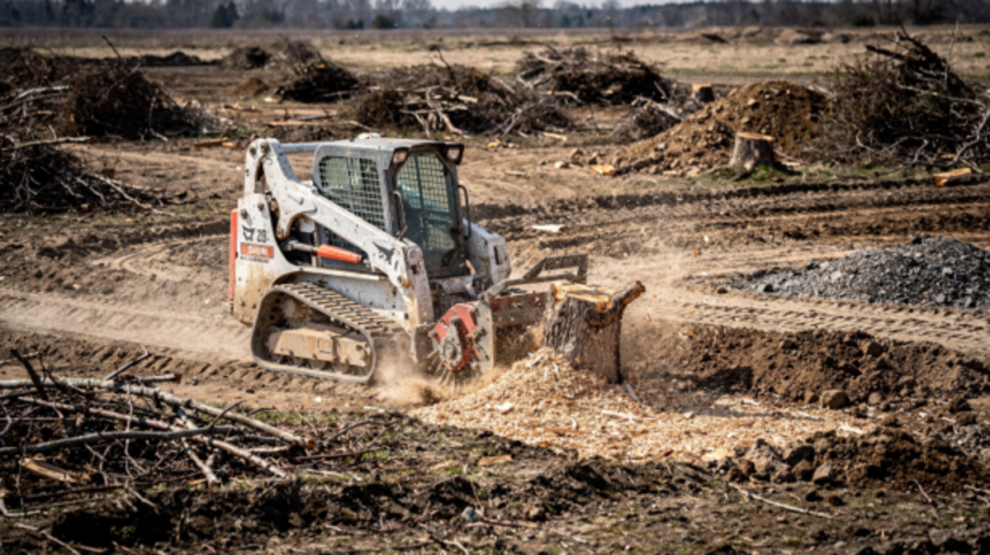
In many cases, tools like a stump grinder attachment for skid steer are used earlier than before. Not as a final step, but as part of keeping the work moving without having to circle back later.
Skid Steers Are Doing More Than Before
There was a time when skid steers mostly handled simple work, moving material, loading, or basic clearing. They were useful, but their role stayed limited.
That’s changed quite a bit. Now, the same machine is expected to stay active across different stages of a project. One moment it’s clearing space, and the next it’s helping shape or prepare the ground for what comes next.
It’s not about making the machine do everything. It’s more about reducing the need to switch machines again and again. That alone saves time, even if it doesn’t feel like much at first.
Attachments Are Quietly Changing the Workflow
The real change is not just the machine, it is what’s attached to it. There is a shift toward more specific ones that handle certain tasks better, in place of general tools.
Think about it this way:
- One attachment clears brush
- Another helps level the ground
- Another handles leftover material
Crews can stay in one place and keep working without waiting for another machine to arrive, and all this possible because of this kind of setup. It is a small change, but it adds up across a full project.
Where Stump Work Fits Into All This
Stumps are one of those things that don’t seem urgent at first. They sit there, easy to ignore, until they start getting in the way.
Machines slow down around them. Operators have to adjust their path. And sometimes, work that should move forward gets delayed just to deal with what was left behind.
That’s why stump work is now being handled a bit earlier. The stump grinder attachment for skid steer fits into this shift naturally. It allows crews to take care of stumps while they’re already working in that area, instead of returning later.
It’s not a big dramatic change, but it helps keep things steady.
What’s Pushing This Change on Site
This shift isn’t random. It’s coming from real pressure on job sites.
You’ll notice it in a few ways:
- Projects are expected to finish faster
- Crews are often smaller than before
- Equipment costs are something people watch closely
- There’s less room for repeating the same work twice
Because of this, crews try to handle more tasks in one go. It’s not about rushing, it’s about avoiding unnecessary steps.
What It Looks Like During a Workday
On-site, these changes show up in simple ways. Work doesn’t stop as often. Operators don’t have to wait around for another machine to take over.
A skid steer with the right attachment can move from clearing to finishing tasks without leaving the spot. That kind of flow makes a difference, especially on larger sites where delays in one area can affect everything else.
It’s not perfect, of course. There are still challenges. But fewer interruptions make the work feel more manageable.
Equipment Is Becoming More Task-Focused
There’s also been a shift in how equipment is designed. Instead of trying to cover everything with one tool, manufacturers are focusing on doing specific tasks well.
This comes from real use on job sites. Long hours, tough conditions, and small everyday problems all of that feeds back into how tools improve.
You don’t always notice it right away. But over time, these changes make work feel smoother and a bit more predictable.
Conclusion
Skid steers are no longer just support machines. They’ve become part of how work moves from one stage to another, helping crews stay on track without too many stops in between.
As site demands continue to grow, this way of working is likely to become more common. Companies like Fecon are part of this shift, building attachments based on real site needs. Looking at how these tools are used today gives a better idea of where site preparation is heading next.

Add Comment