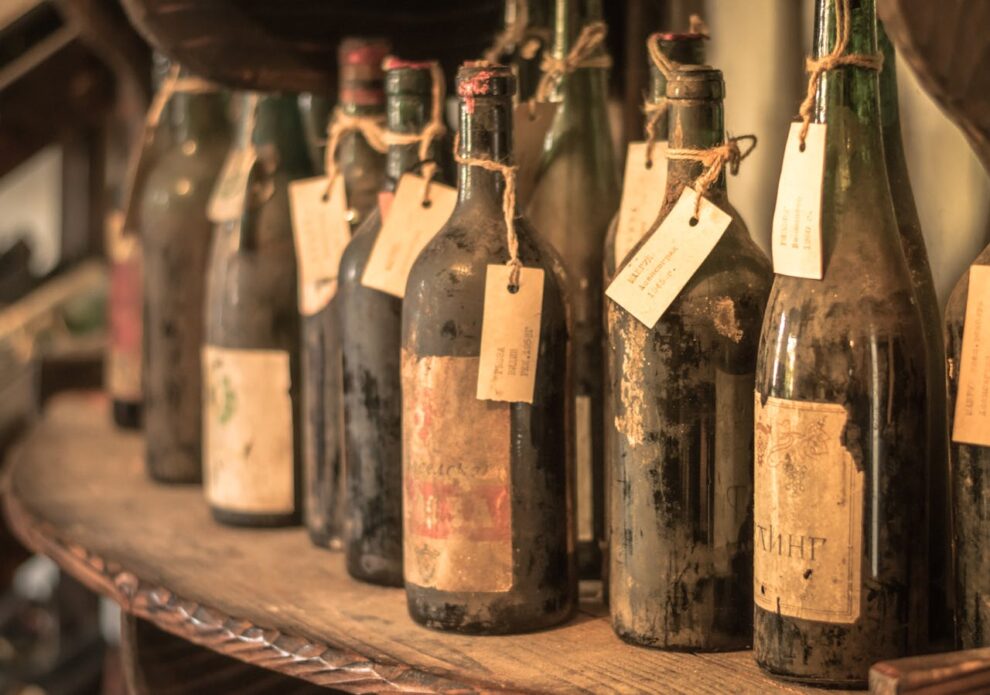
In a vaulted brick cellar beneath a Tbilisi wine factory, rows of dust-caked bottles stretched into the gloom behind iron bars, stacked floor to ceiling in rusting metal racks.
The two-century-old trove of 20,000 rare bottles of wine, some linked to French emperor Napoleon Bonaparte and Soviet dictator Joseph Stalin, was unveiled in the Georgian capital last week.
The collection, housed in a historic cellar, was presented by Georgia’s national wine agency, which touted it as a major discovery for the country’s wine heritage and a potential draw for international collectors, historians and auction houses.
It contains premium Georgian and foreign wines and spirits dating back more than 200 years, including bottles “associated with the personal collections of Napoleon Bonaparte, Joseph Stalin, and other historical figures,” the agency said in a statement.
It did not elaborate on the connection to Stalin, the Soviet dictator who was born in Georgia, or Napoleon.
Experts are now expected to identify the bottles, establish their provenance and assess the historical and commercial value of the collection, the agency added.
“The exhibited specimens may become featured lots at major international auctions,” the statement said.
Located inside Tbilisi’s 19th-century wine factory financed by the Georgian philanthropist and industrialist David Sarajishvili, the collection “underscores the significance of Georgia as the cradle of wine,” agriculture minister, David Songulashvili told journalists.
The Black Sea country claims the world’s oldest winemaking tradition.
Archaeologists have traced evidence of wine production in what is now Georgia back 8,000 years, and wine culture is central to the country’s national identity.
In 2013, the United Nations culture agency, UNESCO, inscribed Georgia’s traditional qvevri winemaking method, which uses large clay vessels buried in the ground, on its Intangible Cultural Heritage list.

Add Comment