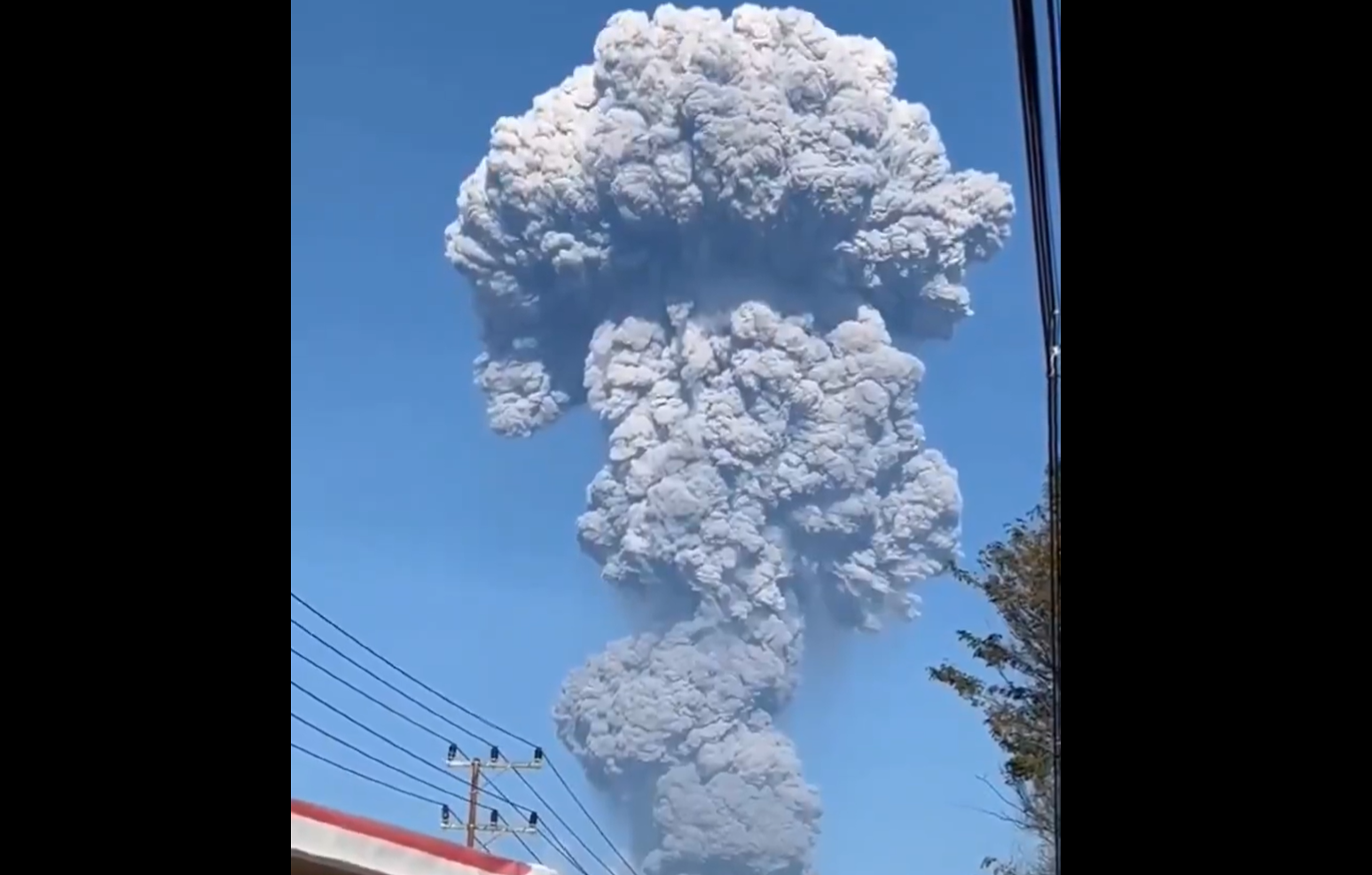



- Ubinas volcano, active again after four dormant years, began a new eruption on June 24.
- On Tuesday two eruptions sent ash about 5,500 meters into the sky, settling over Ubinas and Matalaque districts.
- IGP raised the alert level from yellow to orange, meaning authorities can order evacuations though none have been announced.
- Volcanologist Jose Del Carpio warned eruptions could occur at intervals of hours; more than five hours of ash emissions were recorded.
- The 5,672 meter volcano towers over Moquegua region near 2,200 residents in affected districts and has 25 recorded eruptions since 1550.
Peru‘s Ubinas volcano, active again after four dormant years, blew its top twice on Tuesday, showering nearby towns with ash, the country’s IGP geophysical institute said.
One of Peru’s most active volcanoes, Ubinas started a new eruption on June 24, emitting gas and ash puffs.
On Tuesday, two eruptions blew ash some 5,500 meters (3.4 miles) into the sky. The ash settled over the southern Peruvian districts of Ubinas and Matalaque, according to satellite images.
IGP volcanologist Jose Del Carpio said Tuesday’s event marked the start of a period of “eruptive activity,” requiring the alert level to be raised from yellow to orange.
This means evacuations can be ordered, though none have been announced yet.
“From here on out, eruptions could occur at intervals of hours,” said Del Carpio, dumping ash on nearby districts home to about 2,200 people.
The volcano rises to 5,672 meters above sea level in the Moquegua department some 1,250 kilometers (776 miles) south of Lima.
IGP president Hernando Tavera said more than five hours of ash emissions were recorded on Tuesday “and we cannot rule out that this activity continues” in the coming hours.
Since 1550, 25 eruptions have been recorded at Ubinas. There are 40 volcanoes in Moquegua and the neighboring regions of Arequipa and Tacna, most of them dormant.