Russia confirmed Wednesday it will halt the pipeline flow of Kazakh oil to Germany next month, citing technical reasons, as Berlin stressed it does not expect an energy supply crunch.
The stoppage from May 1 will impact a refinery, run by the German subsidiary of Russia’s state-owned oil company Rosneft, that supplies much of the Berlin region and the capital’s international airport with fuel.
German government spokesman Stefan Kornelius said the stoppage “will not significantly restrict refinery operations”, but added that officials are keeping a close eye on the availability of kerosene in particular.
The move by Moscow comes amid Russia’s war against Ukraine and a global energy crisis sparked by the US-Israeli war against Iran, which has caused major disruptions to global oil and gas markets.
The EU’s top economy has become the strongest military backer of Ukraine and moved to build up its own armed forces to deter a hostile Russia, which Berlin also accuses of a campaign of “hybrid” attacks, sabotage and espionage.
Germany’s economy ministry earlier Wednesday told AFP it had learnt that Russia planned to halt the flow of Kazakh oil through the Druzhba pipeline to the PCK Schwedt refinery near the Polish border starting May 1.
Rosneft Germany was “currently assessing the implications” of the pipeline closure for the refinery and was “utilising all available options to ensure security of supply in Germany”, the ministry said.
The ministry said the shortfall “does not ultimately jeopardise the security of supply of mineral oil products in Germany, even if PCK Schwedt would have to operate at a lower capacity utilisation”.
A ministry spokeswoman added that the refinery has another pipeline connection to the Baltic Sea port of Rostock, allowing potential seaborne deliveries of crude oil.
Later in the day, the news of the looming stoppage was confirmed by Russia’s Deputy Prime Minister Alexander Novak, who spoke to journalists, including from AFP, at the Kremlin.
“From 1 May, volumes of Kazakh oil previously transported via the Druzhba pipeline to Germany will indeed be redirected to other available logistics routes. This is due to current technical capacities,” he said, without giving a timeline for the resumption of supplies.
Asked about the consequences for Germany, Novak said: “The Germans refused Russian oil, it means everything is fine for them.”
– Wartime blow to German economy –
Russia’s full-scale invasion of Ukraine spelt an end to major shipments of cheap Russian energy to Europe’s biggest economy, dealing a heavy blow to German businesses and consumers.
Berlin took Rosneft Germany into trusteeship in the wake of Russia’s 2022 attack and the European Union sanctions that followed on the Russian energy sector.
Kazakh oil was sourced for the PCK refinery to replace Russian crude imports that had previously fed the refinery.
The German government has been searching for a new buyer to take over the Rosneft subsidiary, which is the majority owner of the refinery.
Last year, Berlin won an exemption from US sanctions against the Russian oil industry for the refinery, arguing that Rosneft Germany had been entirely “decoupled” from its parent company.
After Moscow sent its forces into Ukraine, Germany sought to take control of a swathe of Russian energy assets in the country.
It seized Russian gas firm Gazprom’s subsidiary in Germany, which had been a key energy supplier before the war but slashed deliveries in apparent retaliation for Western sanctions on Moscow.
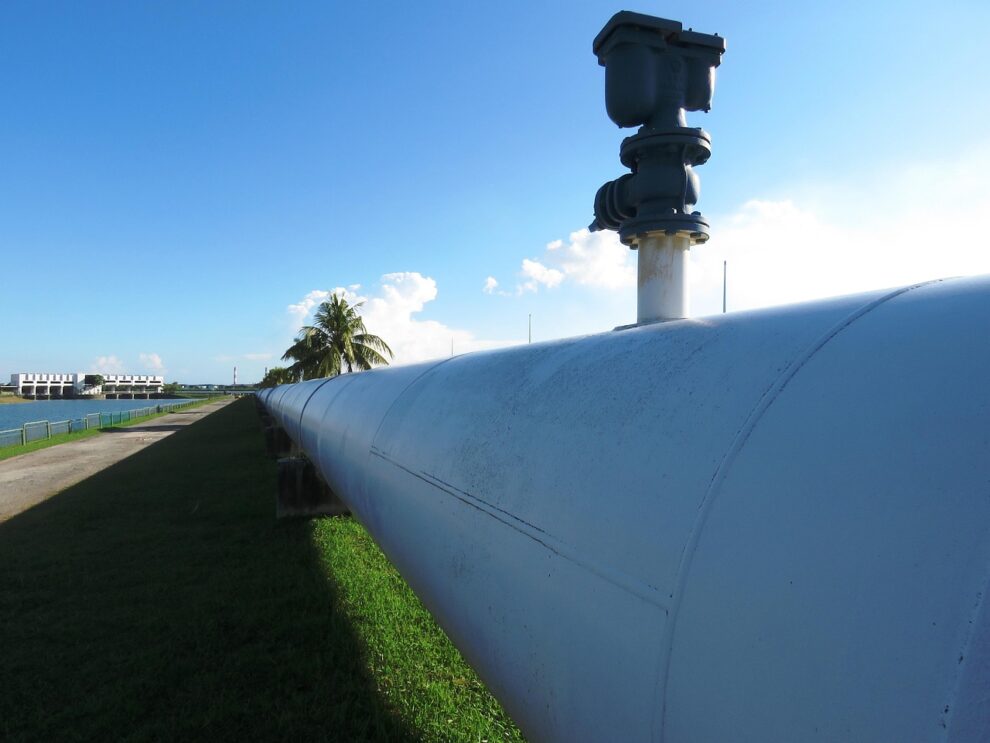
The Kazakh oil is currently transported via the Druzhba pipeline, which runs through Russian territory. One branch of the pipeline runs through Belarus and Poland to Germany, while another branch runs through Ukraine to Hungary.
Wartime damage to the separate Ukrainian section of the pipeline recently caused a major political rift between Hungary and Ukraine.
Hungary’s Kremlin-friendly premier Viktor Orban long vowed to block a European Union loan for Kyiv until the pipeline was restored — but Ukraine this week said it had restarted pumping Russian oil, raising hopes the EU money will flow soon.

Add Comment