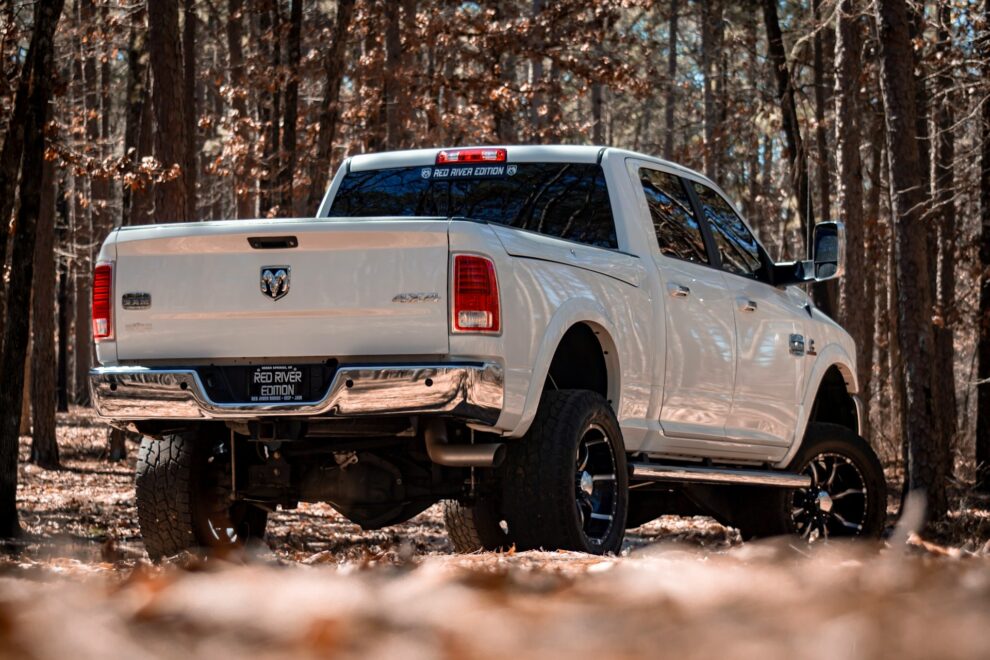
Walk onto a dealership lot today and the numbers on the window stickers look like misprints. A basic, utilitarian work truck that used to cost a reasonable amount now requires a financing plan that’s only one step short of a modest home mortgage, and that’s before the finance office tacks on documentation fees, dealer markups, paint protection packages, and inflated interest rates.
The days of trading-in a vehicle the second the odometer hits fifty thousand miles are completely over for most of us. The data shows the average age of passenger vehicles on American roads has climbed past twelve years, which is a massive shift from a decade ago. We are collectively realizing that the most affordable car is the one already sitting in our driveway, even if the infotainment screen glitched twice last week and the driver’s side seat adjustment squeaks every time you hit a bump.
Well, it beats a nine-hundred-dollar monthly payment…
The Strategy
Keeping an aging vehicle running means shifting from a mindset of passive ownership to active preservation. When you plan to drive a machine until the wheels literally rust off, the routine maintenance schedule stops being a set of polite suggestions printed in a booklet inside the glovebox. Neglecting a weird transmission slip or ignoring a small bubble of rust on the fender arch is a luxury for someone who plans to unload the vehicle onto a dealership trade-in manager next autumn.
For the rest of us, a single neglected mechanical issue can cascade into a catastrophic failure that totals the vehicle. We find ourselves actually listening to the engine on cold mornings, tracking down strange vibrations through the steering wheel, and watching the driveway for mysterious puddles of green or amber fluid.
Battling the Environment
Salted winter roads, UV rays, gravel highways, and acidic bird droppings do not care about your financial plans. They work around the clock to turn sheet metal back into iron oxide. To tell the truth, trucks take the worst of this abuse because we expect them to carry heavy cargo, haul firewood, move furniture, and survive trips to the home improvement center without complaining.
Once the factory paint scratches down to the bare primer, moisture sets in, and the countdown to structural rot begins. This reality is driving a massive surge in DIY restoration and preventative maintenance. Instead of paying thousands for professional shop turnarounds, people are taking matters into their own hands on Saturday mornings. They look online to buy bed liner paint, prep the scratched steel with wire wheels, tape off the body lines, and roll on a thick coating that stops the elements dead. What you end up with is a rugged, utilitarian barrier that seals the metal against moisture, spilled chemicals, impact damage, and heavy toolboxes.
Guarding the Interior
The cabin of a twelve-year-old vehicle can easily become an unpleasant place to spend a morning commute if the previous decade of mud and coffee stains is left unchecked. Fabric seats hold onto the smallest amount of humidity, trap pet hair, absorb stale drive-thru odors, and eventually wear through at the bolsters from the constant friction of sliding in and out of the cab. Protecting the interior requires heavy-duty interventions that can be ripped out and cleaned with a garden hose when things get out of hand, such as deep-welled rubber mats, nylon seat covers, UV-blocking window tints and steering wheel wraps.
Then again, mechanical components require the exact same level of defensive care as the bodywork. The engine bay is a maze of plastic connectors, rubber hoses, wiring harnesses, and aluminum blocks that don’t tolerate excessive heat or neglected lubrication.
We see drivers doing full fluid flushes long before the factory manual demands it, replacing plastic coolant bypass pipes with aftermarket aluminum upgrades, spraying undercoating on the frame rails, and installing secondary oil bypass filters to trap microscopic debris.

Add Comment