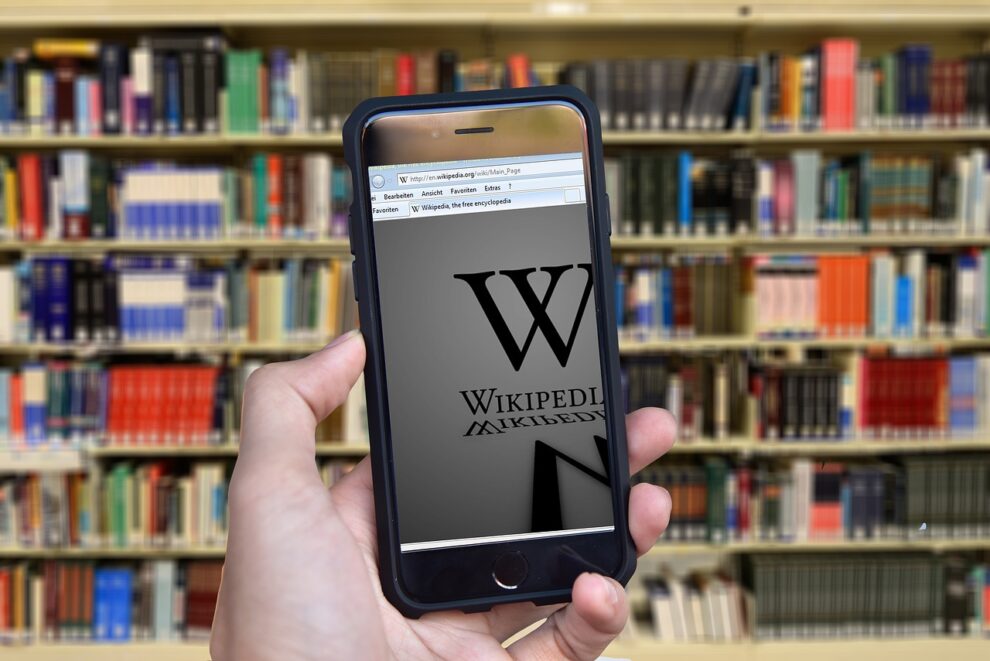
In early 2026, Wikipedia quietly crossed a milestone that few websites ever reach: it turned 25 years old in early 2026 — a reminder of just how long the online encyclopedia has been part of everyday internet life. For a platform that began as a scrappy experiment in open collaboration, reaching its 25-th anniversary is no small feat. Many users still instinctively open a browser tab and search Wikipedia first, without even thinking about how many years it has been shaping how we learn online.
But while Wikipedia is now 25 years old, the world around it is changing faster than at any point in its history.
A Veteran Platform Meets a Very Young Technology
Generative AI, by comparison, is still in its infancy. Large language models and AI assistants only entered mainstream use over the past few years, yet their adoption has been explosive. In a remarkably short time, they’ve begun answering the same questions people once typed into search engines — whether it’s complex research or simple queries like use this age calculator to quickly determine someone’s age. Often, the information they provide is drawn from sources that originally appeared on the open web, including Wikipedia itself.
This creates a strange imbalance: a 25-year-old knowledge institution facing competition from tools that are only a few years old.
The concern isn’t just theoretical. AI systems can summarize, rewrite, and explain topics instantly, which reduces the incentive for users to click through to source pages. For a platform that relies heavily on page views, volunteer editors, and public trust, that shift strikes at the core of how Wikipedia functions.
Wikipedia’s Own Warnings
Wikipedia has not stayed silent about this. The Wikimedia Foundation has publicly raised concerns that AI companies are scraping its content at massive scale, often without contributing back to the ecosystem. According to Wikipedia, automated bots now generate a significant portion of traffic to its servers, increasing infrastructure costs while offering little benefit in return.
There’s also a deeper worry: if people stop visiting Wikipedia directly, fewer users may become editors. Over time, that could weaken the volunteer-driven model that has kept the encyclopedia accurate and up to date for decades.
Still Relevant at 25 Years Old?
So, at 25 years old, is Wikipedia becoming obsolete — or simply entering a new phase of its life?
Despite the pressure, Wikipedia still holds something AI does not: transparency. Every article shows its sources, edit history, and disputes in plain view. In an era flooded with AI-generated text, that human-led accountability may become even more valuable.
The next question isn’t just how many years Wikipedia has already survived, but how it adapts going forward. Partnerships with AI platforms, new licensing models, or stronger attribution requirements could help ensure that the world’s largest free encyclopedia remains sustainable.
As Wikipedia marks its 25-th anniversary, the challenge is clear: survive not just as a source for machines to learn from, but as a living, human project — written by people, for people — in the age of AI.

Add Comment