

- Kuwait summoned Iran's ambassador, calling Tehran's statement blatant interference after Iran denied its citizen's role in the alleged assassination plot.
- Kuwait condemned three Shia men to death for plotting to kill Deputy Prime Minister and Interior Minister Fahad al-Yousef, citing Iran and Hezbollah links.
- Iran's embassy said the accused Iranian had been outside Kuwait for ten years and rejected accusations of harming Kuwaiti national security.
- Since February's Middle East war, Gulf states including Kuwait arrested dozens of suspected Iran-linked cells, many Shia; about one third of Kuwaitis are Shia.
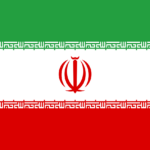
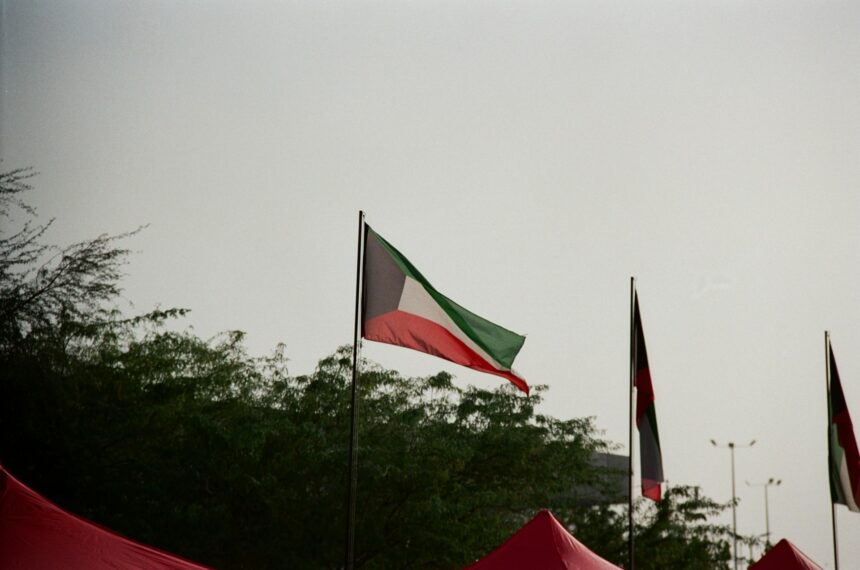
Kuwait summoned Iran’s envoy in protest on Wednesday, after Tehran denied that one of its citizens, sentenced to death in Kuwait, was involved in an assassination plot targeting a top government figure.
Earlier this week, two Kuwaiti judicial sources told AFP the Gulf state had condemned three Shia men to death for plotting the assassination of Deputy Prime Minister and Interior Minister Fahad al-Yousef, collaborating with Iran, and membership of Hezbollah.
Iran’s embassy in Kuwait said it “rejects the Kuwaiti government’s claim regarding the involvement of an Iranian citizen in a plot to assassinate figures or in any other act that could harm Kuwaiti national security”.
It added that the person in question had been outside Kuwait for 10 years.
It said it regretted a “negative approach towards Iran, manifested, among other things, in the repetition of flimsy and worn-out scenarios concerning Iranian interference in Kuwaiti affairs”.
In response, Kuwait summoned Iranian ambassador Mohammad Toutounji over the statement, which it said “constituted blatant interference in the internal affairs of the State of Kuwait and an infringement upon its sovereignty and the independence of its judiciary”.
The judicial sources told AFP Abdulredha Haydar Dahqani was among those who had been sentenced to death.
Dahqani, an Iranian national, had already been handed the death penalty in 2016 after he was tried in absentia along with 25 Kuwaitis. He was convicted of spying for Iran and plotting attacks.
Another was Hussein Abdallah al-Maatouq, a religious dignitary and secretary-general of the National Islamic Alliance, Kuwait’s most influential Shia movement, the sources said.
Since the start of the Middle East war in February, Gulf countries including Kuwait have arrested dozens of people suspected of belonging to cells linked to Iran, most of them Shia.
Around a third of Kuwaiti citizens are Shia Muslim.
summoned Iran’s envoy in protest on Wednesday, after Tehran denied that one of its citizens, sentenced to death in Kuwait, was involved in an assassination plot targeting a top government figure.
Earlier this week, two Kuwaiti judicial sources told AFP the Gulf state had condemned three Shia men to death for plotting the assassination of Deputy Prime Minister and Interior Minister Fahad al-Yousef, collaborating with Iran, and membership of Hezbollah.
Iran’s embassy in Kuwait said it “rejects the Kuwaiti government’s claim regarding the involvement of an Iranian citizen in a plot to assassinate figures or in any other act that could harm Kuwaiti national security”.
It added that the person in question had been outside Kuwait for 10 years.
It said it regretted a “negative approach towards Iran, manifested, among other things, in the repetition of flimsy and worn-out scenarios concerning Iranian interference in Kuwaiti affairs”.
In response, Kuwait summoned Iranian ambassador Mohammad Toutounji over the statement, which it said “constituted blatant interference in the internal affairs of the State of Kuwait and an infringement upon its sovereignty and the independence of its judiciary”.
The judicial sources told AFP Abdulredha Haydar Dahqani was among those who had been sentenced to death.
Dahqani, an Iranian national, had already been handed the death penalty in 2016 after he was tried in absentia along with 25 Kuwaitis. He was convicted of spying for Iran and plotting attacks.
Another was Hussein Abdallah al-Maatouq, a religious dignitary and secretary-general of the National Islamic Alliance, Kuwait’s most influential Shia movement, the sources said.
Since the start of the Middle East war in February, Gulf countries including Kuwait have arrested dozens of people suspected of belonging to cells linked to Iran, most of them Shia.
Around a third of Kuwaiti citizens are Shia Muslim.