

- Ueno's collapse locked tens of thousands out of accounts, sparking massive protests and a political crisis in Paraguay.
- Prosecutors say assets linked to Ueno are in several countries and are seeking freezes, asking help from the US, Luxembourg and Argentina.
- Authorities arrested key figures, including impeached President Santiago Pena, accused of steering government deposits to Ueno, and he denies all charges.
- Ueno grew rapidly, handling state pensions and over $800 million in public funds; Central Bank says it returned savings to 1.8 million depositors.
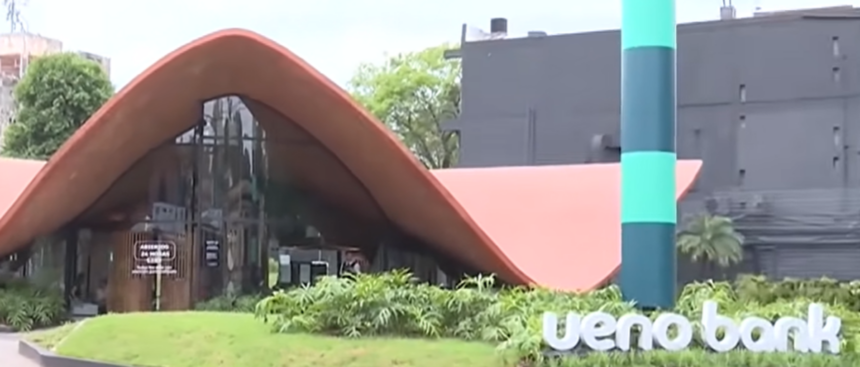
Several countries hold assets linked to the Ueno Bank, which triggered chaos in Paraguay when it collapsed, prosecutors tracing missing funds said Friday.
An insolvency crisis at the digital bank and subsequent takeover by the Central Bank left tens of thousands of people locked out of their accounts, provoking enormous, angry protests and a political crisis.
“Several countries have already reported the presence of assets,” prosecutor Francisco Cabrera told a press conference Friday, without specifying which ones.
“The necessary steps are underway to request that they be frozen,” he added.
Prosecutors earlier said they had asked the United States, Luxembourg and Argentina for help to find the missing money.
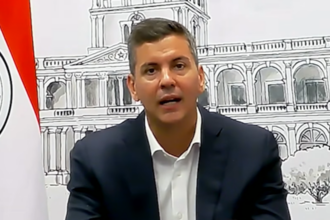
Authorities have carried out a wave of high-profile arrests over the bank scandal. Santiago Pena was impeached as president and is in pre-trial detention over accusations that he used his position to illegally benefit Ueno.
Investigators raided Pena’s official residence on Thursday.
The 47-year-old owned shares in Ueno’s holding company until he sold them last year.
He is accused of using his influence as president to steer millions in government deposits to Ueno and hiding or downplaying its financial woes despite warnings about questionable loans and solvency issues. He denies all charges.
Three former Central Bank officials were arrested on Friday, accused of having “direct knowledge” of Ueno’s issues as early as late last year.
Ueno began as a small fintech company with a digital-first model that attracted many low-income customers.
Within three years, it became a major player handling state pensions and the accounts of several government entities.
The number of individuals affected by its demise surpasses the number of direct clients of the bank, which held over $800 million in public funds.
The Central Bank on Thursday said it had returned savings to over 1.8 million Ueno depositors.