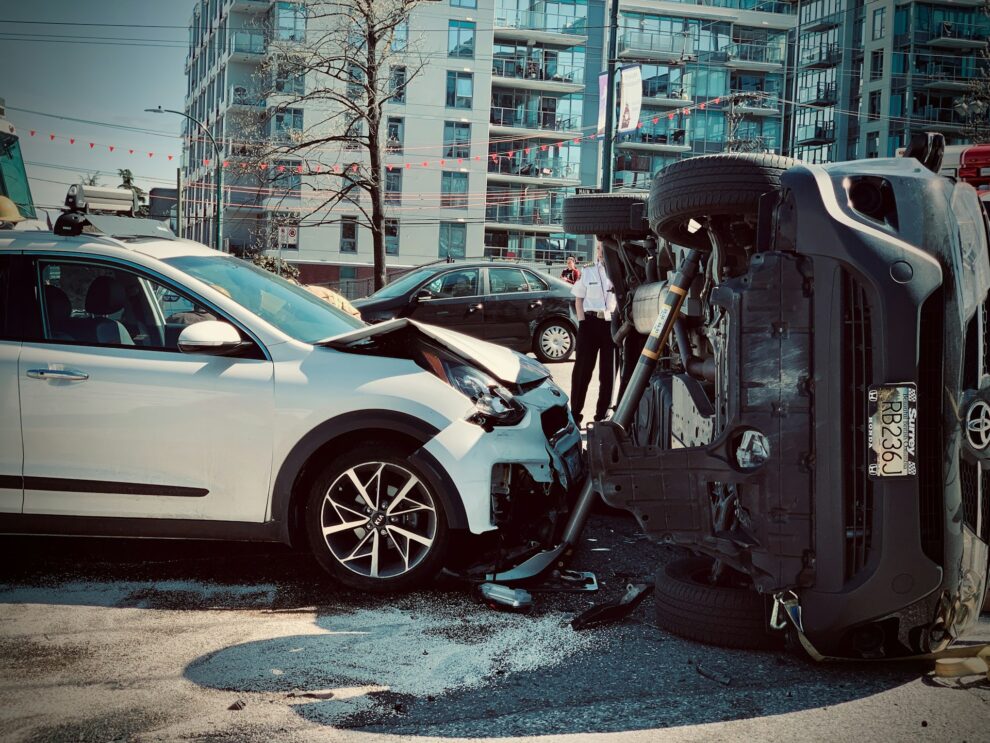
A low-speed crash used to mean inconvenience.
Now it means exposure—financial, mechanical, and legal.
Across the U.S., repair costs are rising, claim timelines are stretching, and disputes are becoming more common—even in incidents that look minor at first glance. Vehicles have changed. The systems around them haven’t kept up.
The Tech Paradox
Cars today are built to prevent accidents.
They’re packed with sensors—cameras, radar, lane detection systems. All designed to reduce risk. But those same systems are delicate.
A small impact can knock a sensor out of alignment. A slightly bent bumper can interfere with a radar unit. That means recalibration is required.
And recalibration isn’t cheap.
What used to be a simple repair now involves:
- Precision sensor alignment
- Software resets
- Controlled calibration environments
Miss one step, and safety features don’t work properly.
So yes—cars are safer to drive. But far more expensive to fix.
The Insurance Squeeze
Insurance companies know this.
They’re under pressure to control rising claim costs. One way they do that is through “preferred” repair networks.
After a crash, you’ll often be directed to a specific shop. It’s framed as convenience.
But there’s a trade-off.
Shops in these programs may:
- Prioritize faster turnaround
- Use non-original parts to reduce costs
- Limit deeper inspections that could increase claim value
That keeps payouts lower.
But it doesn’t always protect the driver long-term.
You might not notice right away. Issues show up later—uneven paint, misaligned panels, system glitches.
By then, the claim is closed.
The Injury Gap
There’s another issue drivers underestimate.
Your body.
After a crash, adrenaline kicks in. You feel fine. Maybe a little shaken, but nothing serious.
Then a day later—neck stiffness. Back pain. Headaches.
These are delayed symptoms. Common ones.
Insurance companies rely on timing. If injuries aren’t reported immediately, they may question whether they’re related to the crash.
That’s where people make costly mistakes.
They settle too early.
Quick payouts don’t account for what hasn’t surfaced yet. And once you accept, there’s no going back.
Urban Pressure: Los Angeles Example
In dense cities, these problems get worse.
Take Los Angeles.
Heavy traffic. Frequent collisions. High-end vehicles with advanced tech.
Everything compounds.
Drivers are dealing with:
- Longer repair times
- Higher parts costs
- Increased demand for skilled technicians
In this environment, finding reliable collision repair Los Angeles services becomes a challenge. You’re balancing speed, quality, and availability—often while insurers push for quick decisions.
It’s not a simple process anymore.
The Supply Chain Factor
Repairs are also being slowed by supply chain issues.
Parts aren’t always available when you need them.
Sensors, chips, structural components—many are backordered.
That means:
- Longer shop delays
- Higher labor costs
- Extended rental expenses
And those costs don’t always get fully covered.
Drivers are forced to make decisions under pressure.
Wait and pay more—or accept a faster, lower-quality fix.
The Recovery Blueprint
So what should you do?
Slow down.
1. Document Everything
Take photos immediately—vehicles, road conditions, surroundings. Don’t rely on memory.
2. Get a Full Inspection
Not just cosmetic. Ask for structural and sensor evaluations.
3. Choose Your Repair Shop
You have the right to decide. Don’t default to the insurer’s recommendation without asking questions.
4. Track Your Symptoms
Even minor discomfort matters. Keep a record.
5. Don’t Rush Settlement
Wait until all costs—vehicle and personal—are clear.
A System Under Pressure
Modern crashes are more complex than they appear.
They involve technology, logistics, and negotiation.
Drivers aren’t just dealing with damage—they’re navigating a system designed to move fast and limit costs.
Without the right steps, that system works against you.
Final Warning
A “minor” crash doesn’t mean a minor outcome.
What looks manageable on the surface can carry long-term consequences—financial and physical.
The difference comes down to awareness.
If you understand the process, you protect yourself.
If you don’t, you absorb the cost.

Add Comment